


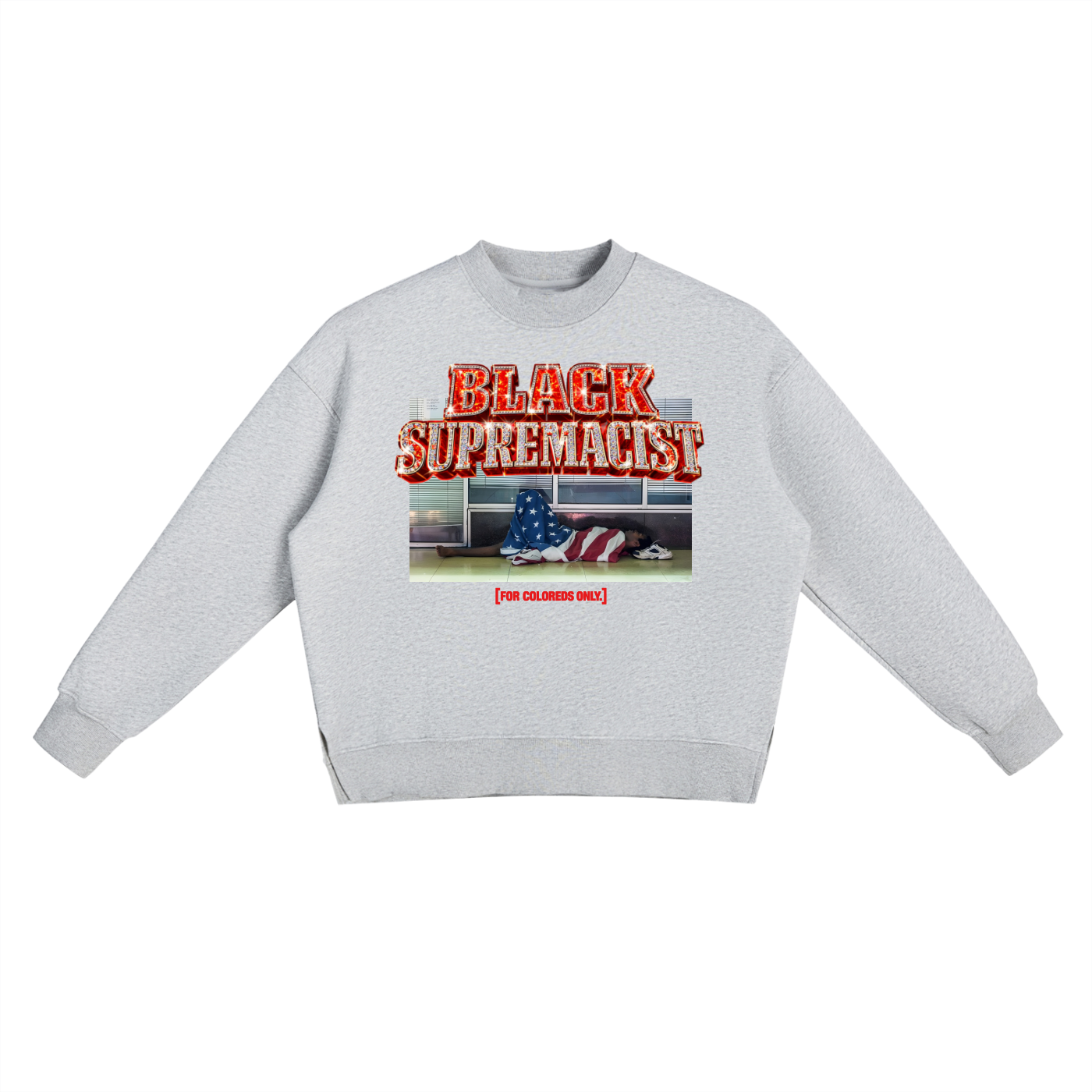
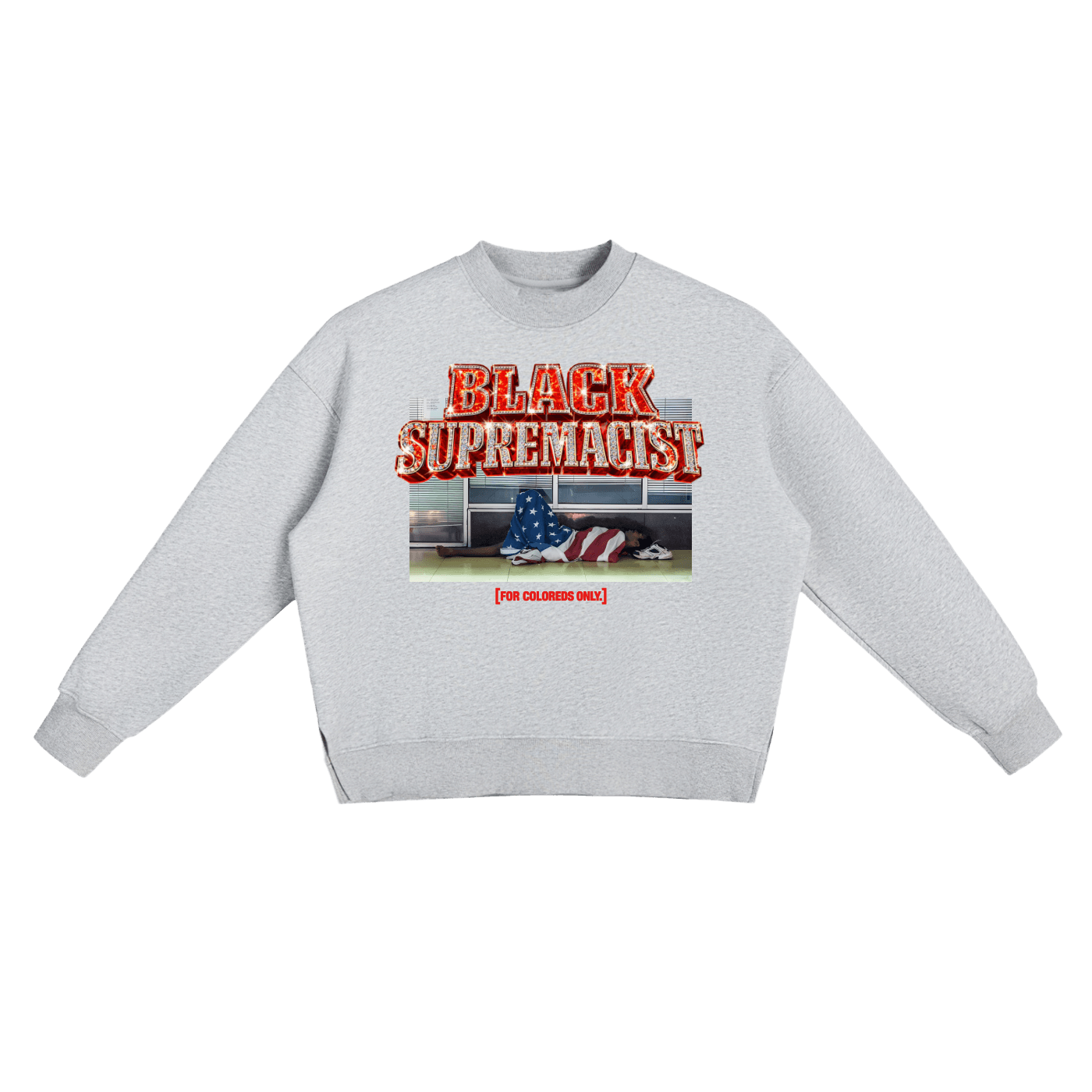
Lot #1960 references To Kill a Mockingbird and the traits of Romanticism through themes of the innate goodness of individuals, the valorization of the misunderstood outcast, the importance of childhood innocence and vision, and the figure of the Romantic hero in Atticus Finch. The novel's focus on individual moral responsibility, genuine love (agape), and the critique of societal injustice aligns with Romantic sensibilities.
Fabric: 57.4% cotton, 36.8% polyester, 5.8% other fibers
Fabric Weight:10.3 oz/yd² (350 g/m²)
Care Instructions: Machine wash at 30°C (gentle cycle); Do not bleach; Tumble dry low; Iron at low temperature, avoid ironing on print; Do not dry clean.
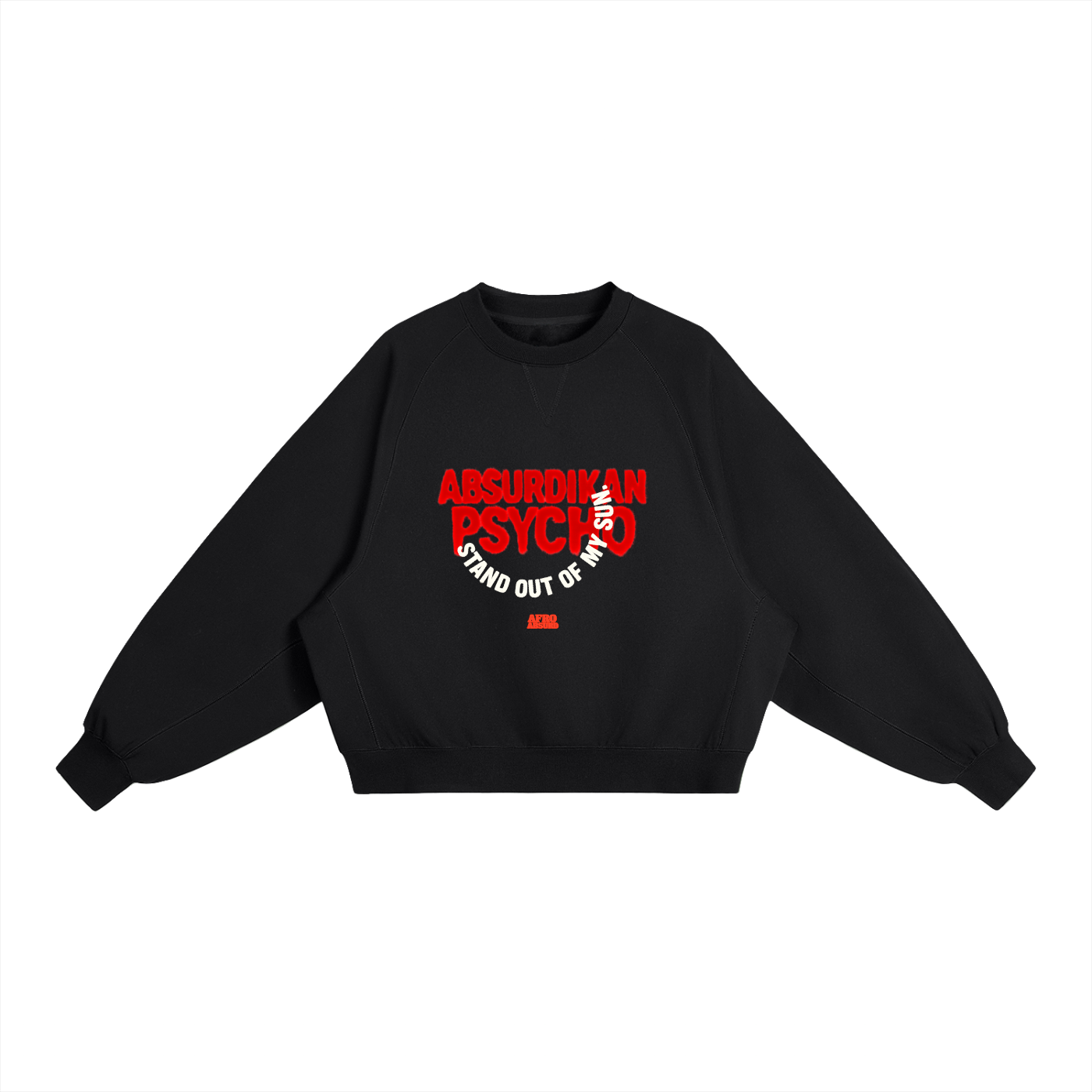
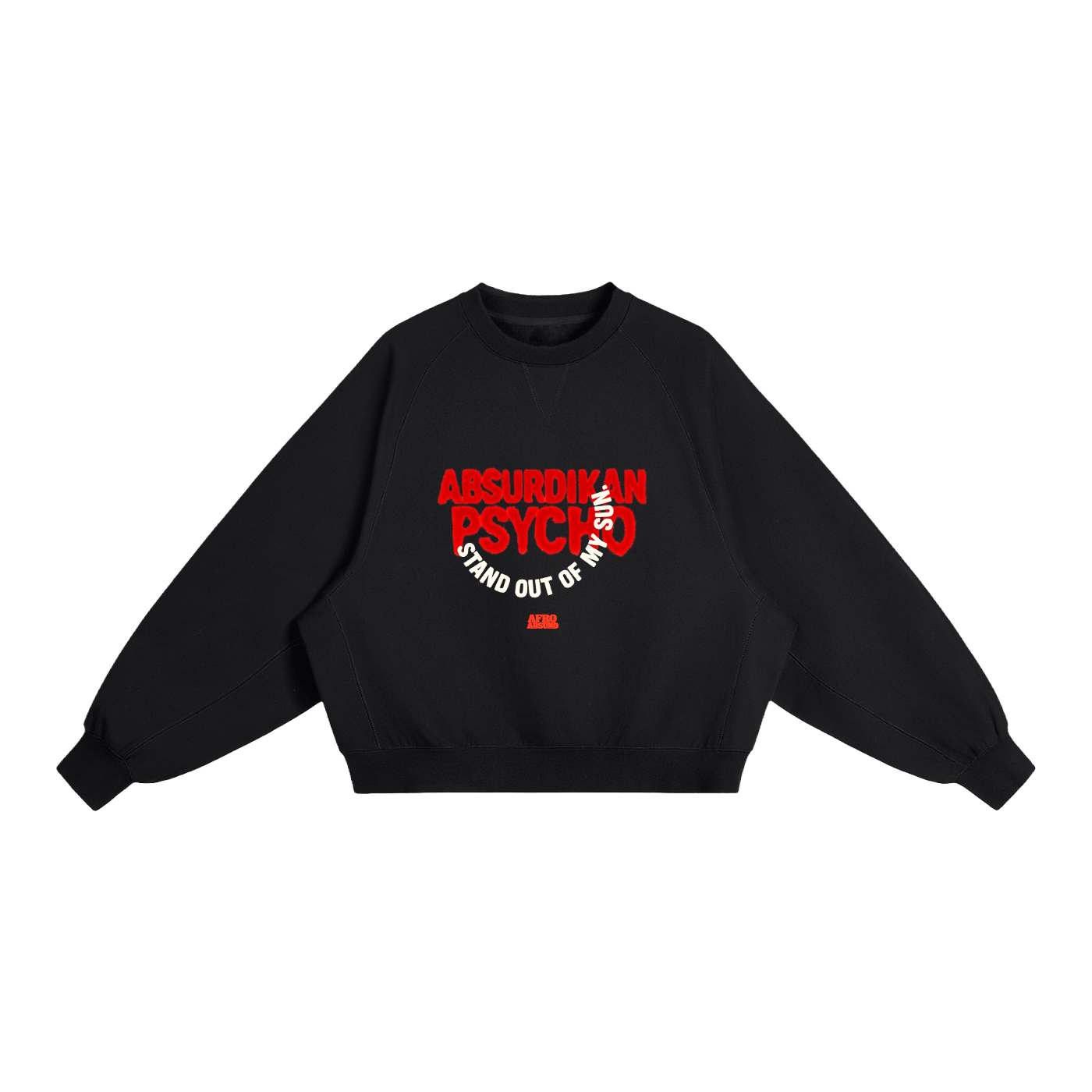
Easter Egg: Lot #1931 references Los Angeles in 1931, where raids targeted Mexican Americans, deporting hundreds regardless of their citizenship status. These events are part of a long history of anti-Latino discrimination and parallel the Jim Crow era's civil rights violations against Black Americans.
Fabric: 56.44% cotton, 43.56% polyester
Fabric Weight: 12.4 oz/yd² (420 g/m²)
Care Instructions: Machine wash at 30°C (gentle cycle); Do not bleach; Tumble dry low; Iron at low temperature, avoid ironing on print; Do not dry clean
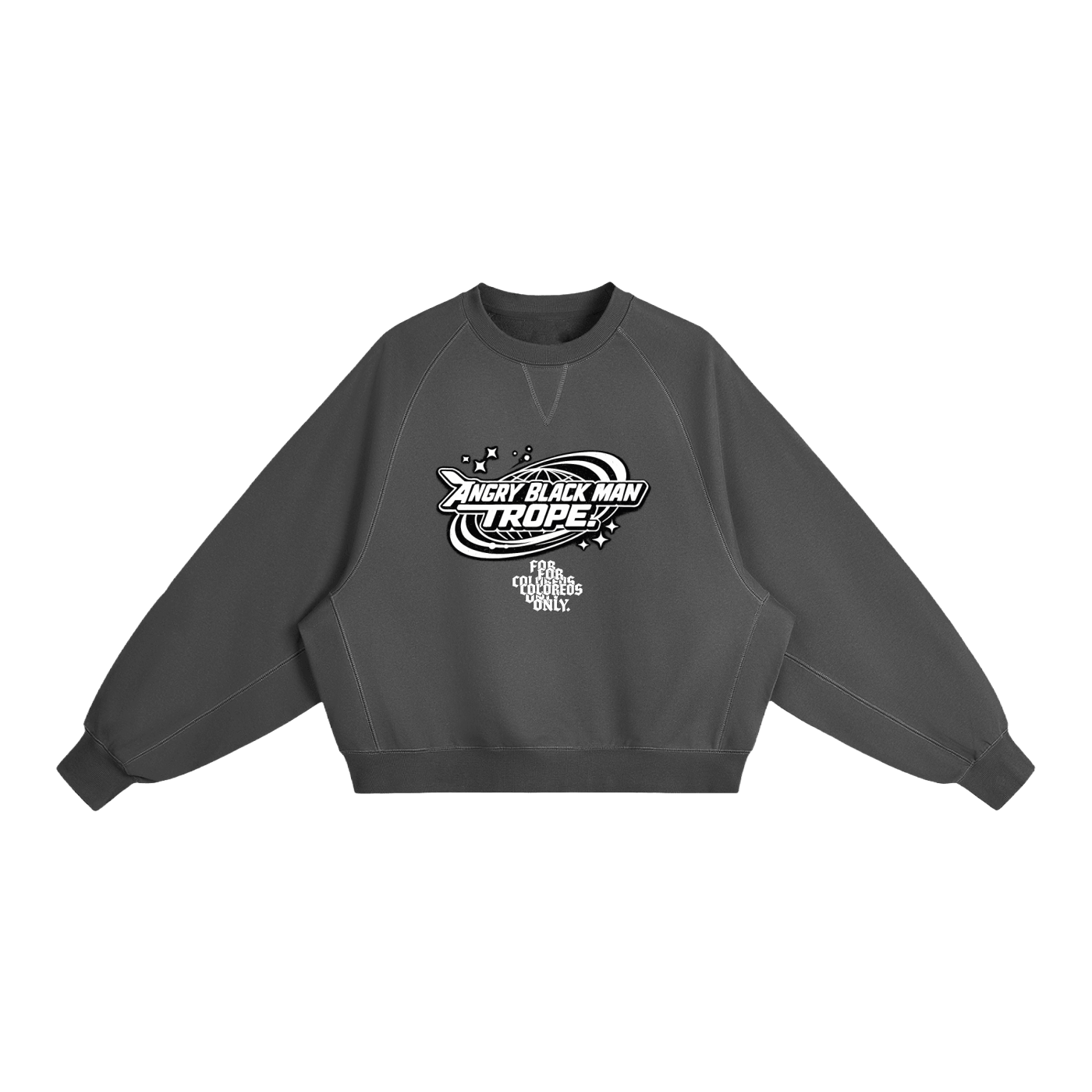
Easter Egg: Lot # 2015 references the killing of Freddie Gray, the death of the 25-year-old Black man in Baltimore, Maryland on April. 19th, 2015, after suffering a severe spinal injury while in police custody on April. 12th, 2015. Gray’s death, which was ruled a homicide, sparked widespread protests and riots against police brutality and racial injustice. Six Baltimore police officers were charged in connection with his death, but all charges were eventually dropped after three officers were acquitted and the remaining cases were dismissed.
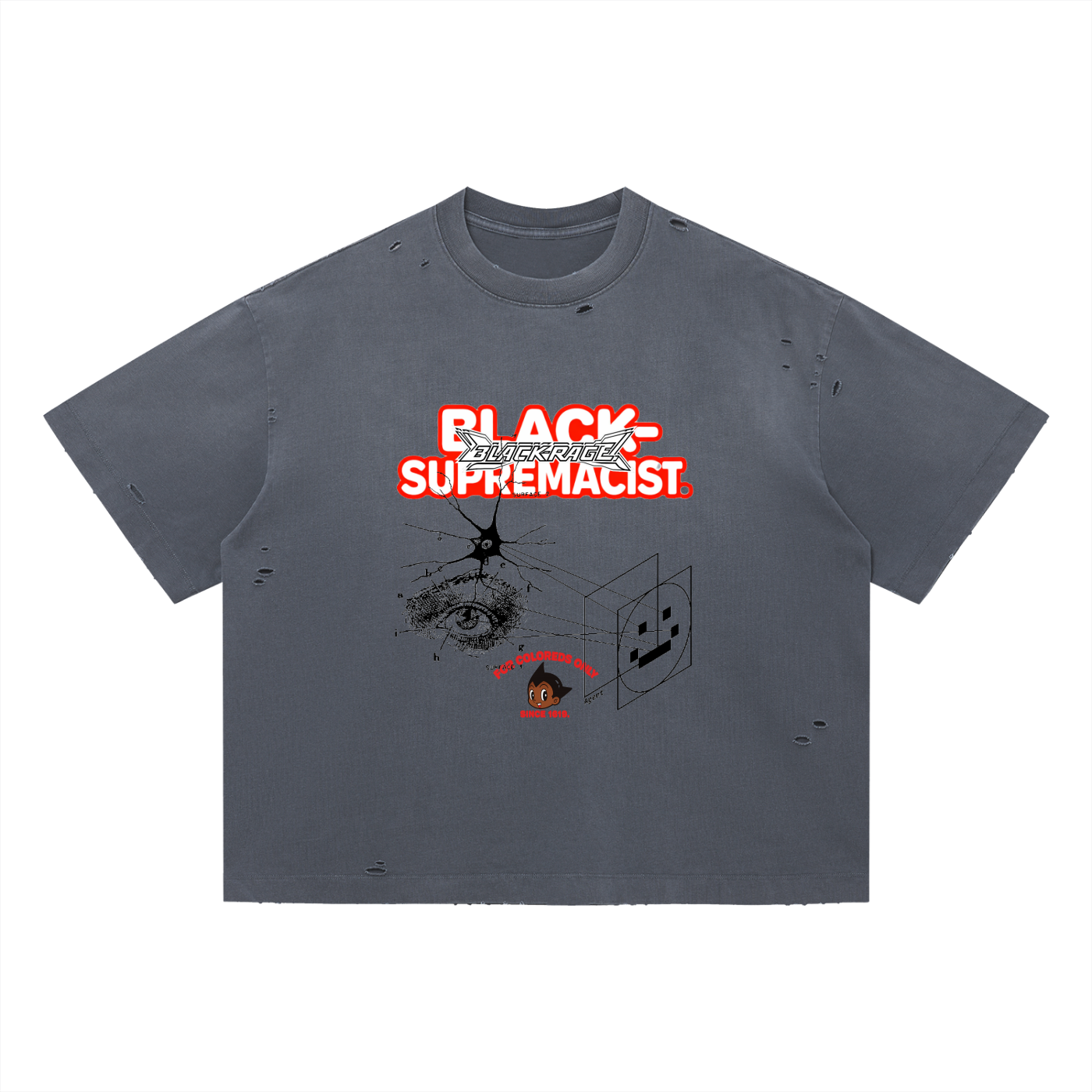
Easter Egg: Lot #1888 is a reference to the original Aunt Jemima image of a "mammy" caricature that depicted female slaves as happy to be enslaved, who cared for the white family of the slave owners and ignored their own. The caricature portrays an obese, coarse, maternal figure. She has great love for her white " family," but often treated her own family with disdain. Although she had children, sometimes many, she was completely desexualized. She "belonged" to the white family. Unlike Sambo, she was a faithful worker. She had no black friends; the white family was her entire world.
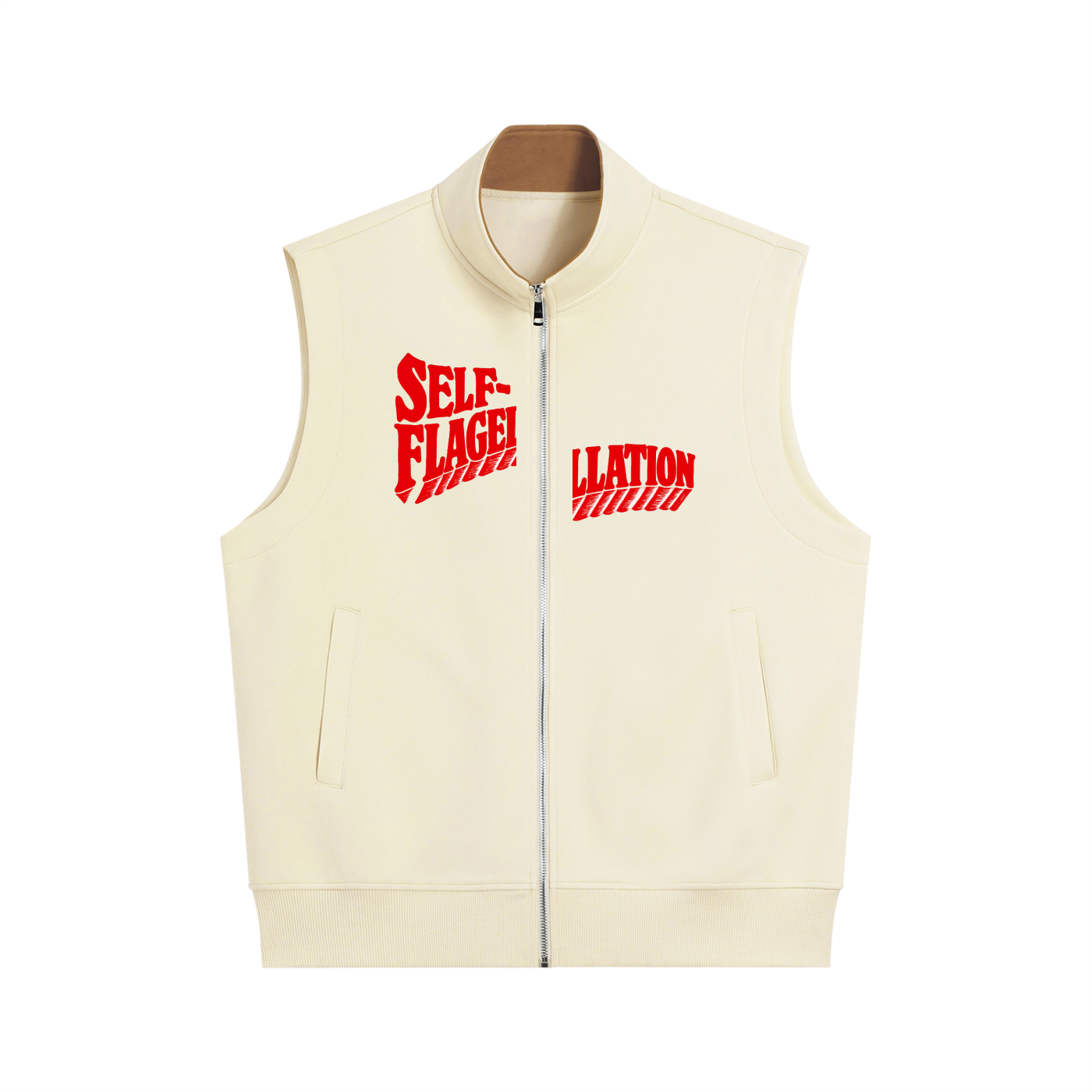
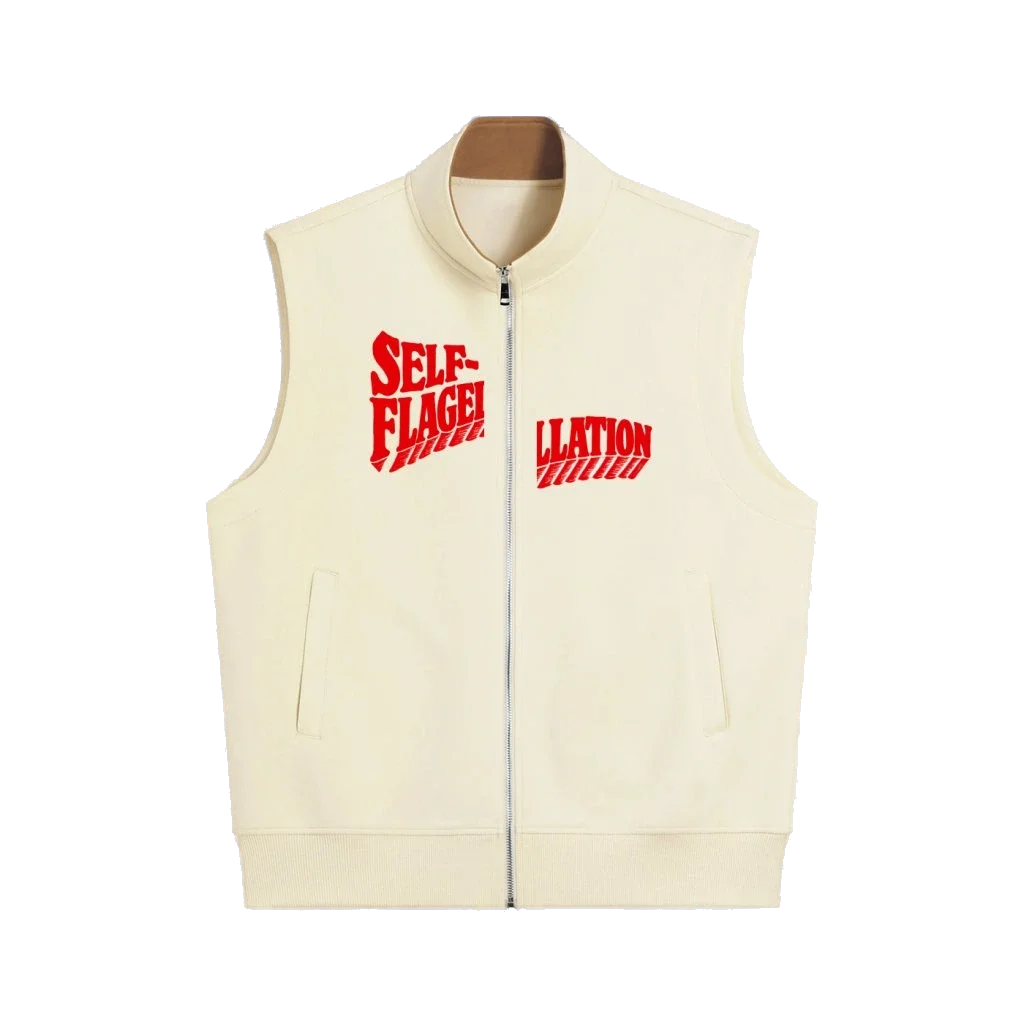
Easter Egg: Lot #1887 In 1887, the United States was sharply divided along racial lines, as African Americans endured widespread discrimination and disenfranchisement under Jim Crow policies while continuing to resist oppression. One of the year’s most violent episodes was the Thibodaux Massacre, in which a strike for improved working conditions in Louisiana ended with the killing of around 60 Black sugar workers. During the same period, the Dawes Act was passed; although promoted as a way to encourage Native American assimilation through private land ownership, it ultimately resulted in the loss of millions of acres of tribal land.
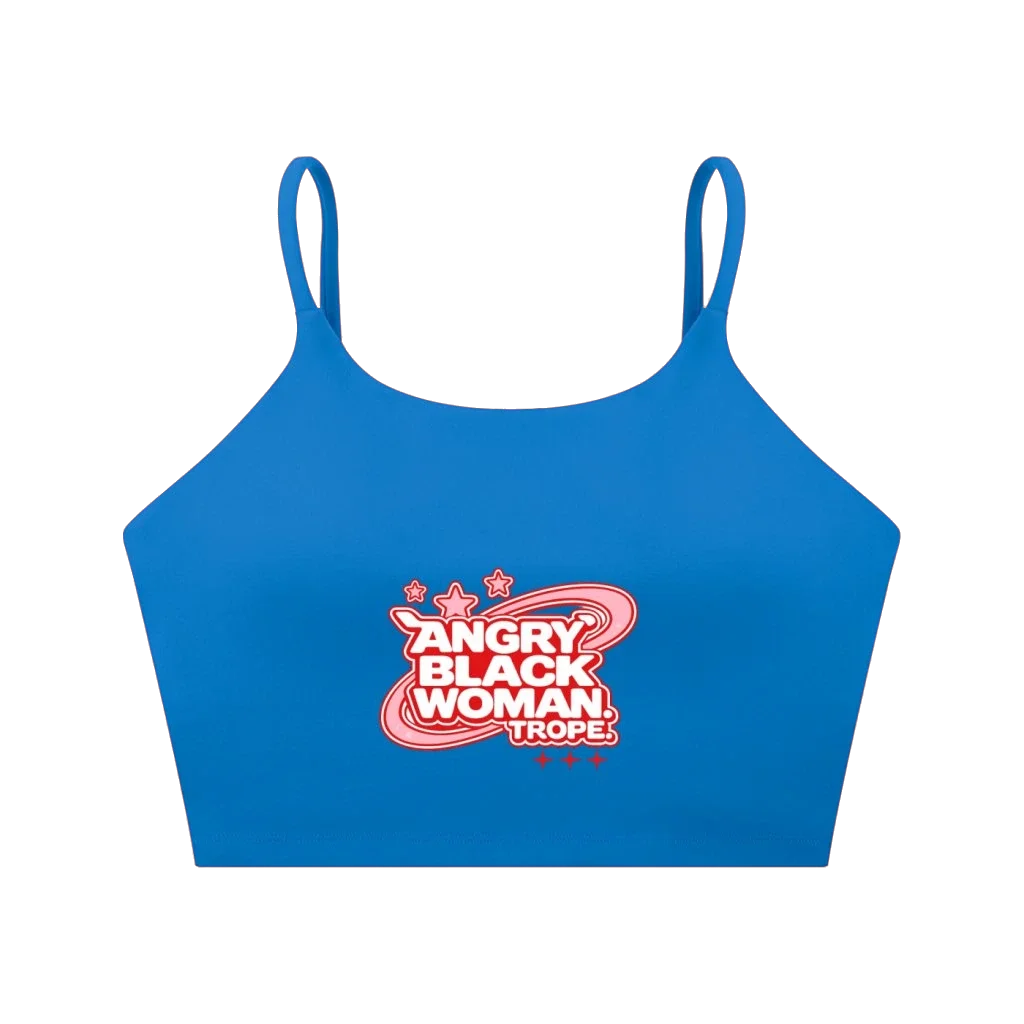
Easter Egg: Lot #1873 references when an armed group of white supremacists attacked a courthouse guarded by a mostly-Black militia in the town of Colfax, Louisiana, on April 13, 1873. A bloodbath ensues, as the militia surrenders and the white supremacists carry out a day-long campaign of terror that came to be known as the Colfax Massacre. They then spread out into town, indiscriminately murdering Black residents of Colfax. By the time the Louisiana state militia arrived on April 14, an estimated 150 people had been killed—an exact count was made difficult by the hiding of many of the bodies.
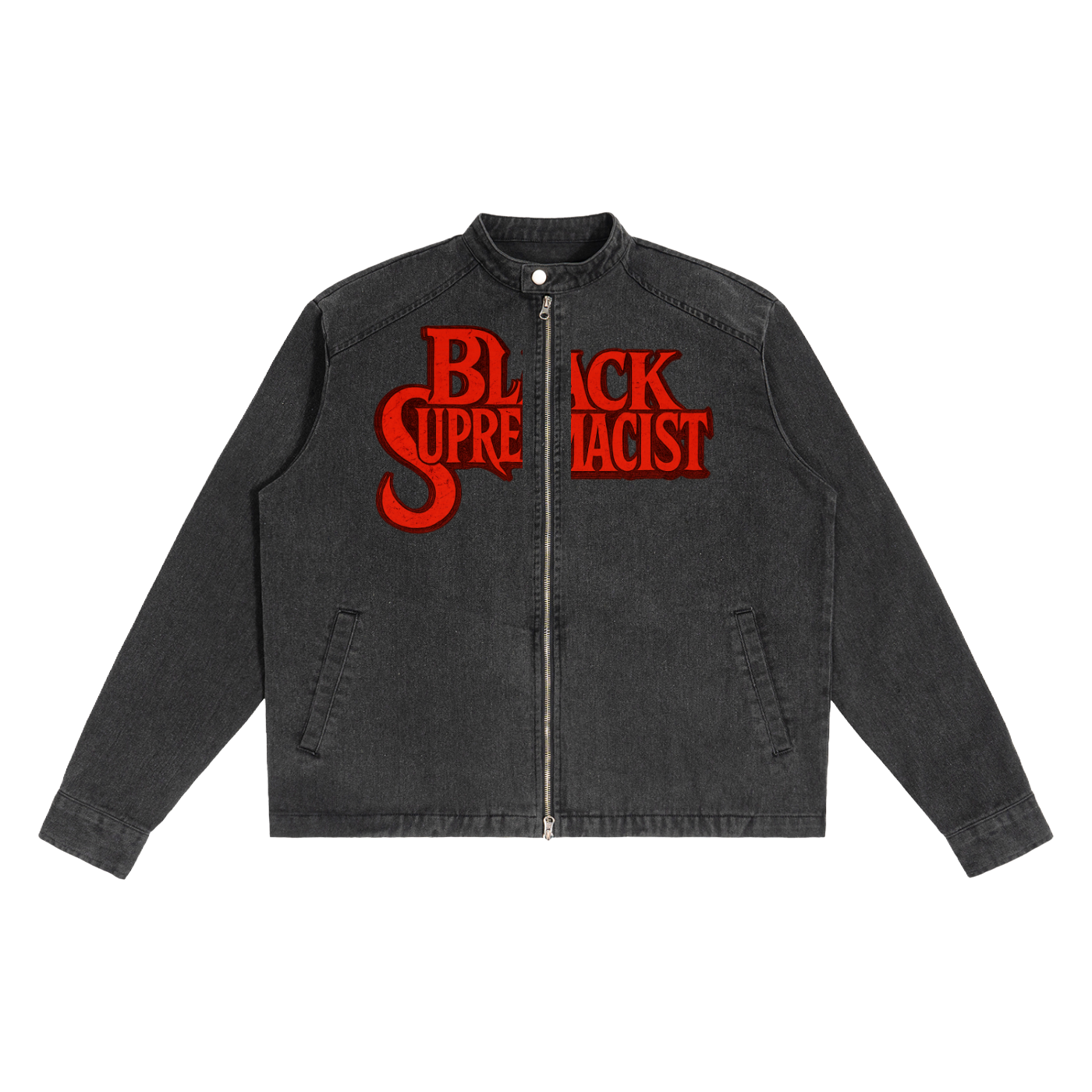
Easter Egg: Lot #2018 references the response to Afro-Absurdism. The socio-politico-cultural movement described as Surrealism depicts the universal human quest in maladroit juxtapositions of loneliness, revulsion, madness, non-reality, angst, and euphoria within an ambiguous, incongruous, and albeit symbolically paradoxical framework. Surrealism is not merely fantastical or bizarre melting clocks without time, African villages turned on its side, or bowler hats, but a vanquishing of death, or at least the fear of it. It is the sanguine face we wear in response to life by incomprehension; resigned to an existence without Biblical meaning. The word first appeared in 1917, in the literature of French poet Guillaume Apollinaire who used it to describe his own work 'The Breasts of Tiresias'. He believed Surrealism and all of its discomfiting awareness meant the fruits of the human condition freed from the task of imitating the human condition. Surrealism was born out of the spirit of Dada, it emerged in Europe during the tenuous-turbulent years of WWI leading up to WWII. It crosses borders seamlessly between animate and inanimate, conscious and subconscious. However, Freud himself disparaged this ideology. He acknowledged that Surrealist artists were producing great works, but wholeheartedly believed that ego and conscious laid foliage along the passage. So the art continued, but the movement of the bizarre, the irrational, oftentimes hyper-attentive and hallucinatory lost its vigor and momentum. Later, in 1974 Amiri Baraka coined the radical-racial plurality of Afro-surrealism. D. Scot Miller penned the manifesto in 2009 with permission by Baraka, in it he asserted the Afrosurreal rejected the quiet servitude that characterizes existing roles for African Americans…"" It is the Future-Past, present-day realism, and the everyday lived experience, it is Samuel R. Delany's 1974 Dhalgren, Toni Morrison's Beloved, Arthur Jafa and ""the alien familiar,"" Kanye West Yeezus, Beyonce & Jay going Apeshit in the louvre, ""Get Out"" and ""Atlanta"", ""Sorry to Bother You,"" Prince's Purple revolution, Bob Kaufman, Jean-Michel, Ralph Ellison's 1952 classic novel Invisible Man, African and African-Caribbean artists André Breton and Aimé Césaire, René Ménil's Antillanité movement, Kool Keith's Dr. Octagonecologyst! This is Afro-Surreal! Afro-Surreal postulates the internal black experience beyond the rational mind, striving to manifest with this visible world. Afro-Surrealists recognize the concept of ""symbolic immortality,"" that we might be freed from the tyranny of the mundane, of logic, and that we might discover truths more real than reality. Afro-surrealism is the juxtapositions of untamed thought, cymbals of deeper experience between the primal Dionysian and the plastic intellectual Apollonian, the Dionysian speaks to the emotional mind, while the Apollonian speaks to the rational mind. Afro-Surrealists build distinctive worlds ruled by unfiltered, unapologetic blackness. This is Afro-Surreal! While Afrofuturism refers to free expression of black subjectivity, the unearthing and sometimes reconstruction of buried African history, a contemporary genre of Black diasporic writers, artisans, musicians, theorists, and philosophers that blend Afro-culture, sci fi, magical realism, technology, and traditional African myths & mysticisms. It is the language of rebellion taking many forms, both posthuman and technological, an intersectional lens through which we view futures or alternate realities, where worlds exist without European colonialism or pseudo-Western Enlightenment. Reimagining new forms of temporality at the intersection of time, memory, and love, while seeking to reclaim black identity. Afrofuturism is a reaction to European expression, and the global status quo, it wrestles with political, economic, social, and technological inequalities. The term derives from a 1994 essay ""Flame Wars: The Discourse of Cyberculture"" by Mark Dery, an author, critic, and essayist. Dery used the term to define ""speculative fiction that treats African-American themes and addresses African-American concerns in the context of 20th-century technoculture — and more generally, African-American signification that appropriates images of technology and a prosthetically enhanced future."" That describes W.E.B DuBois, Ralph Ellison, Octavia Butler, Martin Delany, Charles Chesnutt, Nnedi Okorafor, Edward Johnson, John Coltrane, Miles Davis, Jimi Hendrix, Outkast, Erykah Badu, Solange, Sun Ra, George Clinton and his band Parliament and again Prince.
Item Number: RQ0030
Gender: Unisex
Fabric: 87.1% cotton, 6.7% viscose, 6.2% polyester
Fabric Weight: 9.7 oz/yd² (330 g/m²)
Fabric Thickness: Moderate
Care Instructions: Machine wash at 30°C (gentle cycle); Do not bleach; Tumble dry low; Iron at low temperature, avoid ironing on print; Do not dry clean
Features: Basics, Casual, Sporty, Street, Vintage, Daily Casual, Outdoor, Running, Sport, Office, Cotton Blend, Washed, Zipper, Patchwork, Pocket, Long Sleeve, Drop Shoulder, Stand Collar, Regular, Loose, Spring, Autumn
Print Size: 40*52cm
Notes: Minor batch differences can occur during blank garment production due to variations in fabric, dye and processing. This is common in apparel manufacturing, and we work hard to keep every item consistent.
| S | M | L | XL | 2XL | |
| Length | 64 | 66 | 68 | 70 | 72 |
| Shoulder | 50 | 51.5 | 53 | 54.5 | 56 |
| Chest | 61 | 63 | 65 | 67 | 69 |
| Sleeve length | 64.5 | 66 | 67.5 | 69 | 70.5 |
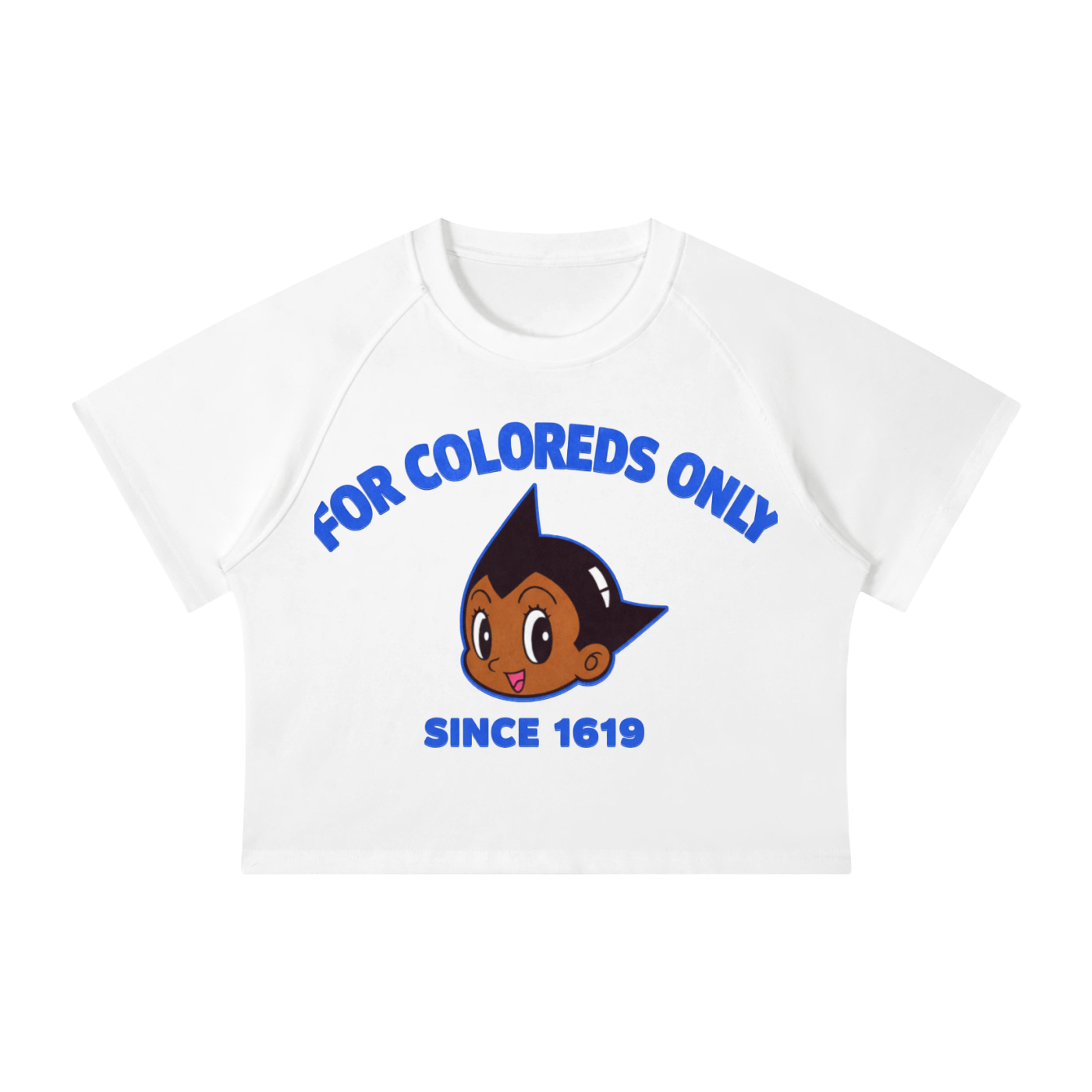
Easter Egg: LOT #1984 refers to the date October 29, 1984, when New York City police entered the Bronx public-housing apartment of 66-year-old Eleanor Bumpurs to enforce an eviction. Bumpurs was Black, disabled and experiencing a mental-health crisis; Emergency Service officer Stephen Sullivan shot her twice with a 12-gauge shotgun. Sullivan was acquitted of manslaughter, and the killing galvanized organizing at the intersection of housing, disability, gender and police violence.
Item Number: WT0108
Gender: Women
Fabric: 93.2% cotton, 6.8% spandex
Fabric Weight: 9.3 oz/yd² (315 g/m²)
Fabric Thickness: Thin
Care Instructions: Machine wash at 30°C (gentle cycle); Do not bleach; Tumble dry low; Iron at low temperature, avoid ironing on print; Do not dry clean
Features: Basics, Casual, Street, Daily Casual, Outdoor, Party, School, Office, Cotton Blend, Snow Wash, Short Sleeve, Raglan Sleeve, Round Neck / O-Neck, Crop, Bodycon, Summer
Print Size: 40*52cm
Notes: Minor batch differences can occur during blank garment production due to variations in fabric, dye and processing. This is common in apparel manufacturing, and we work hard to keep every item consistent.
| S | M | L | XL | |
| Length | 45 | 46.5 | 48 | 49.5 |
| Chest | 46 | 48 | 50 | 52 |
| Sleeve length | 27.5 | 29 | 30.5 | 32 |
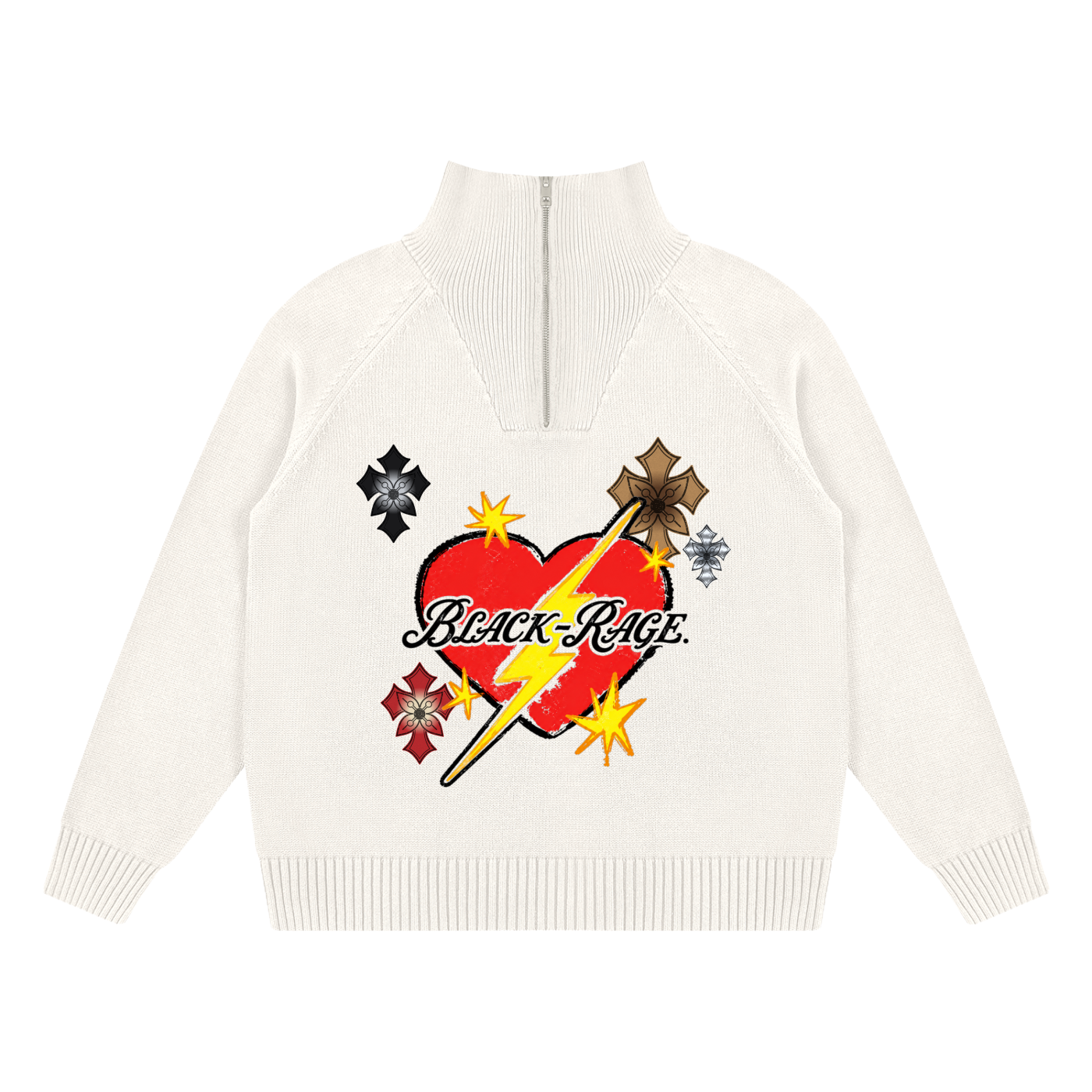
Easter Egg: Lot #2007 references DeAunta Farrow, a young black boy who was walking with his cousin to a convenience store when he was confronted by an undercover police officer, Officer Tim Dulaney. The officer claimed he believed DeAunta was holding a gun and was possibly a suspect in a previous crime. DeAunta was shot and killed during the encounter. The object in his hand turned out to be a toy gun. A non-firing plastic toy.
Item Number: UT0190
Gender: Unisex
Fabric: 100% cotton
Fabric Weight: 22.1 oz/yd² (750 g/m²)
Fabric Thickness: Thick
Care Instructions: Machine wash at 30°C (gentle cycle); Do not bleach; Tumble dry low; Iron at low temperature, avoid ironing on print; Do not dry clean
Features: Basics, Casual, Preppy, Street, Vintage, Daily Casual, Holiday, School, Festival, Office, Pure Cotton, Zipper, Long Sleeve, Raglan Sleeve, Stand Collar, Regular, Loose, Spring, Autumn
Print Size: 40*52cm
Notes: Minor batch differences can occur during blank garment production due to variations in fabric, dye and processing. This is common in apparel manufacturing, and we work hard to keep every item consistent.
| S | M | L | XL | 2XL | |
| Length | 64 | 66 | 68 | 70 | 72 |
| Chest | 54 | 56 | 58 | 60 | 62 |
| Sleeve length | 73 | 74 | 75 | 76 | 77 |
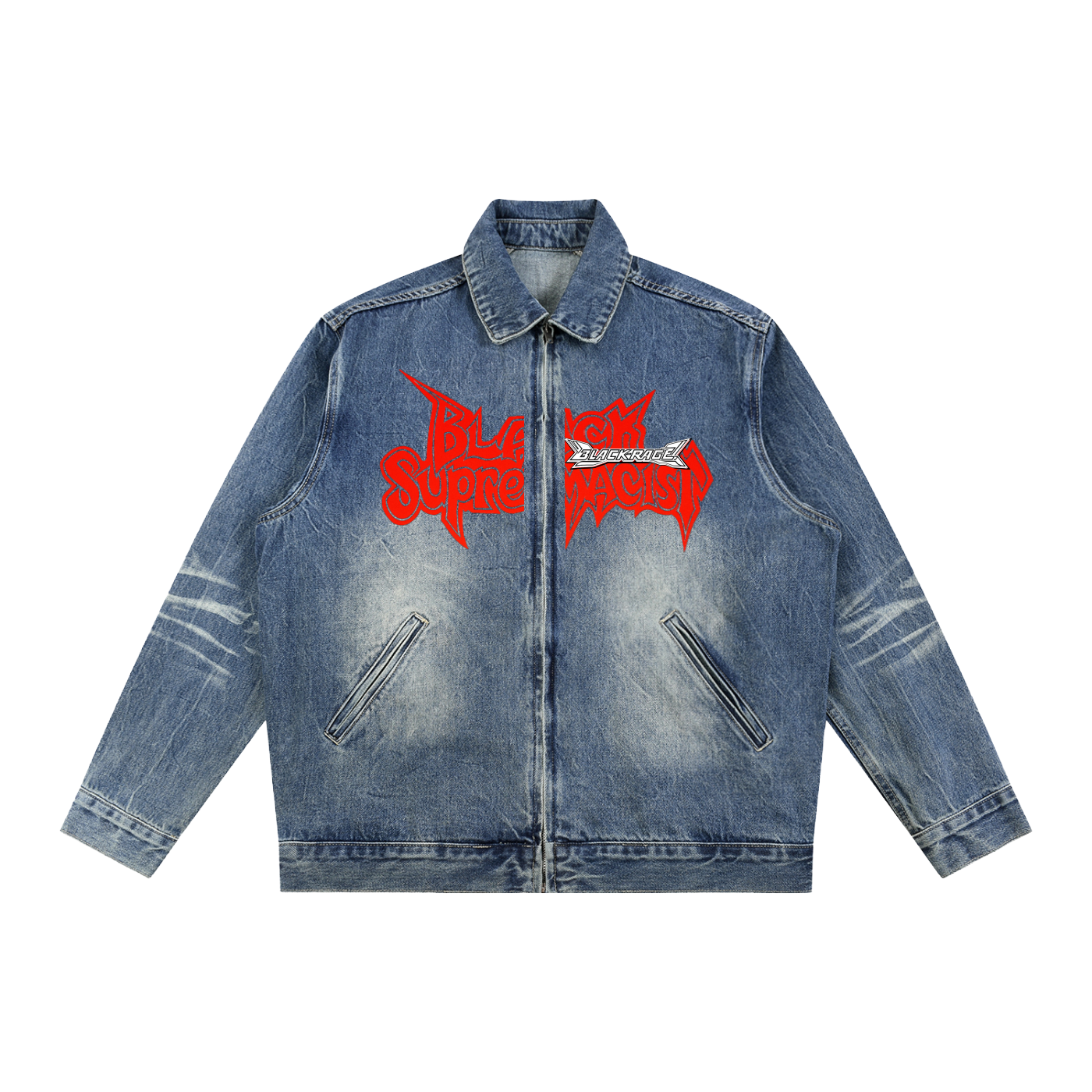
Easter Egg: On February 1, 1893, thousands of spectators in Paris, Texas, watched a white mob torture and burn Henry Smith alive after accusing him of murdering a white child. No trial established his guilt. The spectacle was photographed and promoted, illustrating that lynching functioned as public racial domination rather than secret vigilantism.
Item Number: RQ0038
Gender: Unisex
Fabric: 90% cotton, 10% polyester
Fabric Weight: 16.0 oz/yd² (543 g/m²)
Fabric Thickness: Thick
Care Instructions: Machine wash at 30°C (gentle cycle); Do not bleach; Tumble dry low; Iron at low temperature, avoid ironing on print; Do not dry clean
Features: Casual, Street, Vintage, Daily Casual, Holiday, Party, Office, Cotton Blend, Washed, Long Sleeve, Drop Shoulder, Lapel Collar, Regular, Loose, Autumn, Winter
Print Size: 40*52cm
Notes: Minor batch differences can occur during blank garment production due to variations in fabric, dye and processing. This is common in apparel manufacturing, and we work hard to keep every item consistent.
| S | M | L | XL | 2XL | |
| Length | 66 | 67.5 | 69 | 70.5 | 72 |
| Shoulder | 49 | 51 | 53 | 55 | 57 |
| Chest | 59 | 61.5 | 64 | 66.5 | 69 |
| Sleeve length | 59 | 60 | 61 | 62 | 63 |
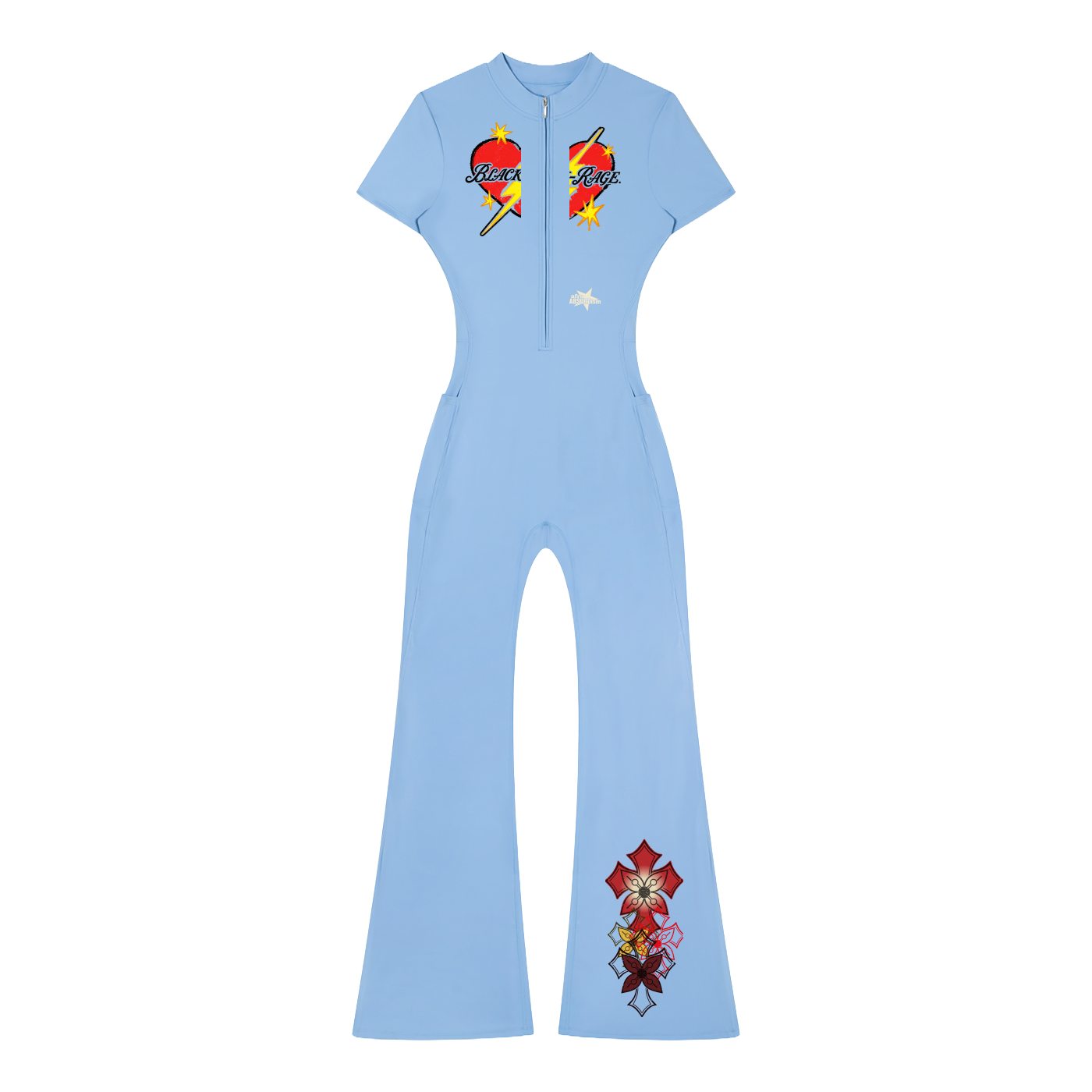
Easter Egg: From January 1–7, 1923, white mobs destroyed the predominantly Black town of Rosewood, Florida, after Fannie Taylor alleged that a Black man had assaulted her. At least six Black people and two white people were killed, though descendants believed the Black toll was higher. Sylvester Carrier died defending his family; survivors escaped and lost their property.
Item Number: WO0009
Gender: Women
Fabric: 75% nylon, 25% spandex
Fabric Weight: 6.8 oz/yd² (230 g/m²)
Fabric Thickness: Moderate
Care Instructions: Machine wash at 30°C (gentle cycle); Do not bleach; Tumble dry low; Iron at low temperature, avoid ironing on print; Do not dry clean
Features: Basics, Sporty, Casual, Daily Casual, Holiday, Home, Outdoor, Zipper, Short Sleeve, Regular, Bodycon, Spring, Summer, Autumn
Notes: Minor batch differences can occur during blank garment production due to variations in fabric, dye and processing. This is common in apparel manufacturing, and we work hard to keep every item consistent.
| S | M | L | XL | |
| Length | 145 | 148 | 151 | 154 |
| Shoulder | 34.3 | 35.3 | 36.3 | 37.3 |
| Chest | 36 | 38 | 40 | 42 |
| Sleeve length | 16.5 | 17 | 17.5 | 18 |
| Waist | 24 | 26 | 28 | 30 |
| Hip | 39 | 41 | 43 | 45 |
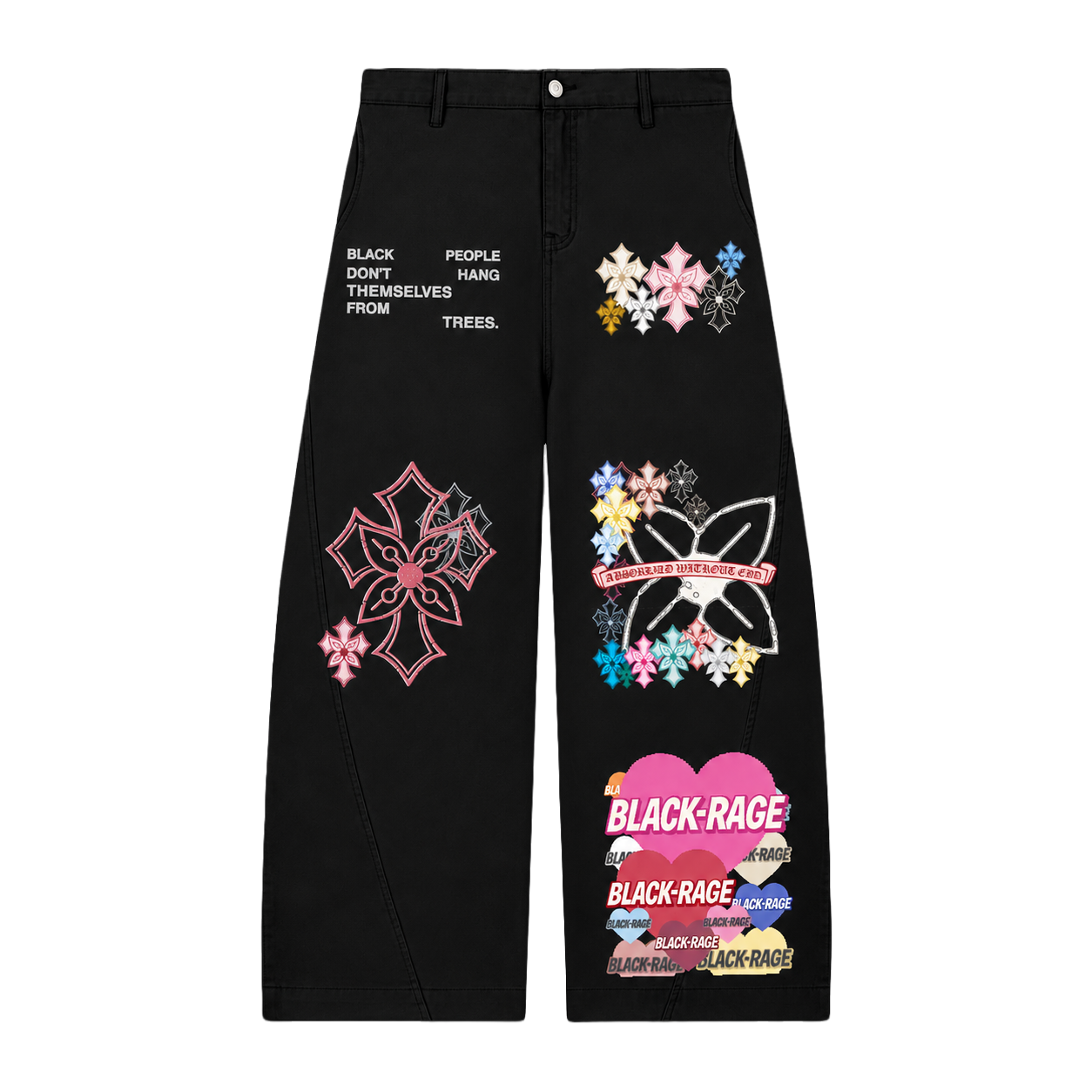
Virginia authorities punished John Punch, an African bonded laborer who escaped with two European laborers, by sentencing him to servitude for life. His European companions received additional fixed terms instead. The unequal sentence is one of the clearest early legal markers of colonial punishment hardening along racial lines.
Features
- Effects: Button / Pocket
- Fit: Loose
- Season: Spring / Summer / Autumn
- Style: Basics / Casual / Street / Vintage
Care Instructions
- Machine wash at 30°C (gentle cycle)
- Do not bleach
- Tumble dry low
- Iron at low temperature, avoid ironing on print
- Do not dry clean
Fabric
- Material: 100% cotton
- Fabric Weight: 290 gsm (8.6 oz)
- Thickness: Moderate
- Breathability: Moderate
| S | M | L | XL | 2XL | |
| Length | 105 | 106 | 107 | 108 | 109 |
| Waist | 38.5 | 40.5 | 42.5 | 44.5 | 46.5 |
| Hip | 52.5 | 54.5 | 56.5 | 58.5 | 60.5 |
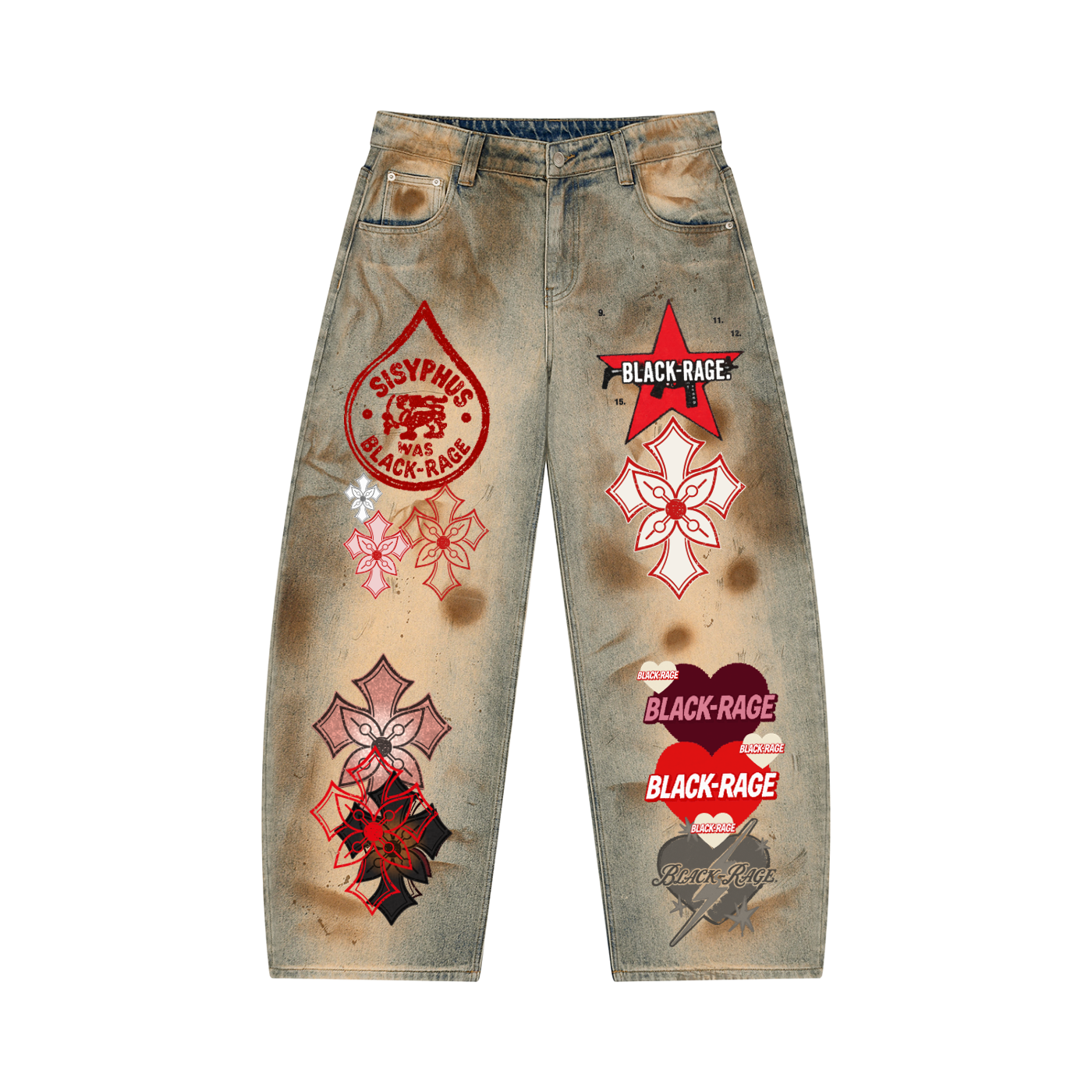
From June 20–22, 1943, racial conflict in Detroit left 34 people dead. Twenty-five of those killed were Black, and police killed seventeen of the Black victims; no white victim was killed by police. Authorities arrested roughly four times as many Black people as white people. [S08]
Features
- Effects: Washed
- Fit: Loose
- Season: Spring
- Style: Basics / Casual / Street / Vintage
Care Instructions
- Machine wash at 30°C (gentle cycle)
- Do not bleach
- Tumble dry low
- Iron at low temperature, avoid ironing on print
- Do not dry clean
Fabric
- Material: 80% cotton, 14% regenerated cellulose, 6% polyester
- Fabric Weight: 450 gsm (13.3 oz)
- Thickness: Thick
- Breathability: Moderate
| S | M | L | XL | 2XL | |
| Length | 106 | 107 | 108 | 109 | 110 |
| Waist | 38 | 40 | 42 | 44 | 46 |
| Hip | 53.5 | 55.5 | 57.5 | 59.5 | 61.5 |
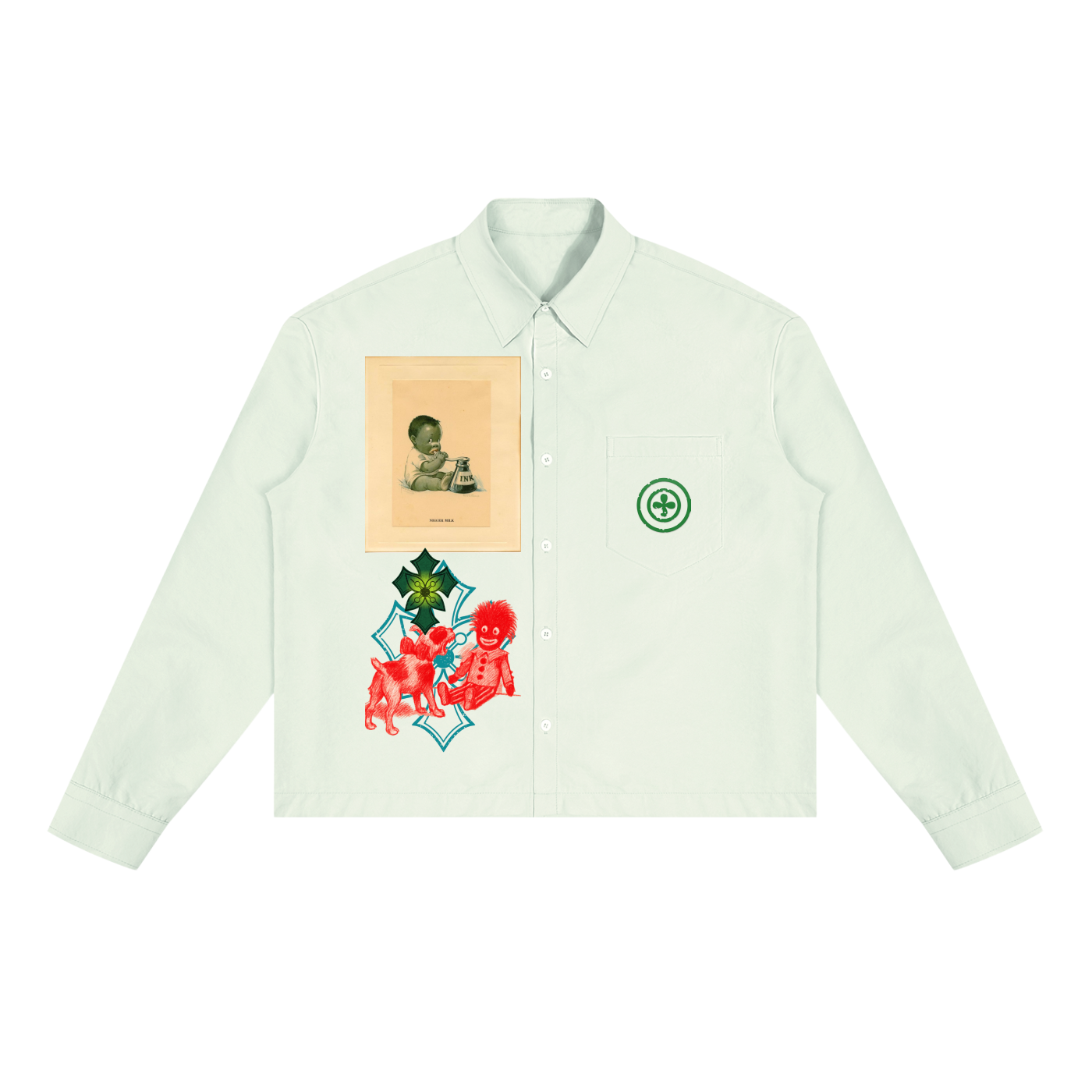
On August 28, 1955, Roy Bryant and J. W. Milam abducted, tortured and murdered 14-year-old Emmett Till in Mississippi after Carolyn Bryant accused him of offending her at a store. An all-white jury acquitted the killers, who later admitted the murder in a paid magazine interview. Till’s mother, Mamie Till-Mobley, insisted on an open-casket funeral that exposed the brutality nationally.
Features
- Effects: Pocket / Button
- Fit: Loose
- Neckline: Lapel Collar
- Sleeve Style: Drop Shoulder
- Sleeve Length: Long Sleeve
- Season: Spring / Summer / Autumn
- Style: Basics / Casual / Business
Care Instructions
- Machine wash at 30°C (gentle cycle)
- Do not bleach
- Tumble dry low
- Iron at low temperature, avoid ironing on print
- Do not dry clean
Fabric
- Material: 100% polyester
- Fabric Weight: 145 gsm (4.3 oz)
- Thickness: Thin
- Breathability: Moderate
| S | M | L | XL | 2XL | |
| Length | 62 | 64 | 66 | 68 | 70 |
| Shoulder | 56 | 57.5 | 59 | 60.5 | 62 |
| Chest | 60 | 62 | 64 | 66 | 68 |
| Sleeve length | 60.5 | 61 | 61.5 | 62 | 62.5 |
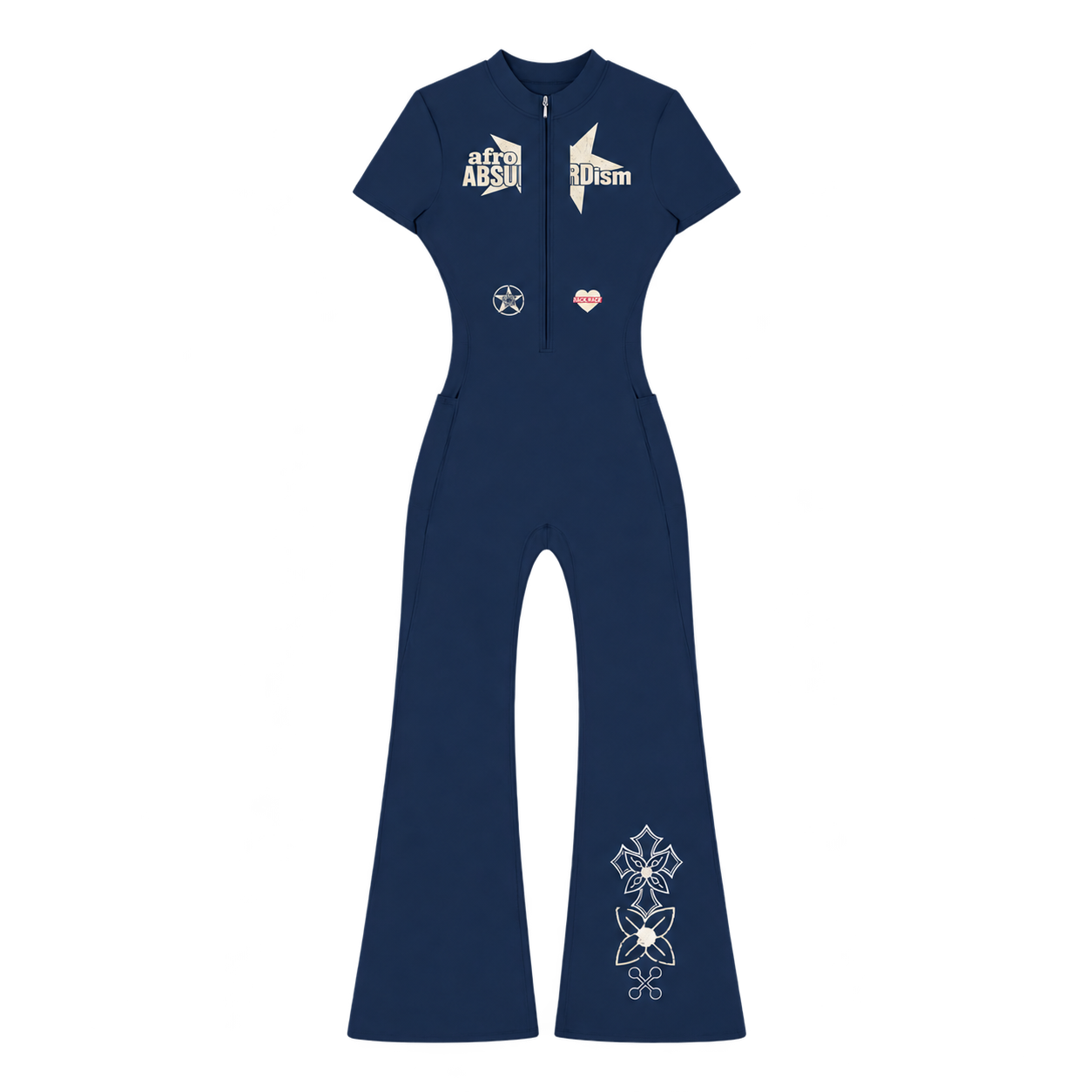
South Africa’s Bantu Education Act placed Black education under central apartheid control. Hendrik Verwoerd argued that Africans should be trained for subordinate roles rather than equality. Mission schools were taken over or closed, resources were radically unequal and curricula reinforced white supremacy.
Features
- Effects: Zipper
- Fit: Bodycon
- Sleeve Length: Short Sleeve
- Season: Spring / Summer / Autumn
- Style: Basics / Sporty / Casual
Care Instructions
- Machine wash at 30°C (gentle cycle)
- Do not bleach
- Tumble dry low
- Iron at low temperature, avoid ironing on print
- Do not dry clean
Fabric
- Material: 75% nylon, 25% spandex
- Fabric Weight: 230 gsm (6.8 oz)
- Thickness: Moderate
- Breathability: Moderate
| S | M | L | XL | |
| Length | 145 | 148 | 151 | 154 |
| Shoulder | 34.3 | 35.3 | 36.3 | 37.3 |
| Chest | 36 | 38 | 40 | 42 |
| Sleeve length | 16.5 | 17 | 17.5 | 18 |
| Waist | 24 | 26 | 28 | 30 |
| Hip | 39 | 41 | 43 | 45 |
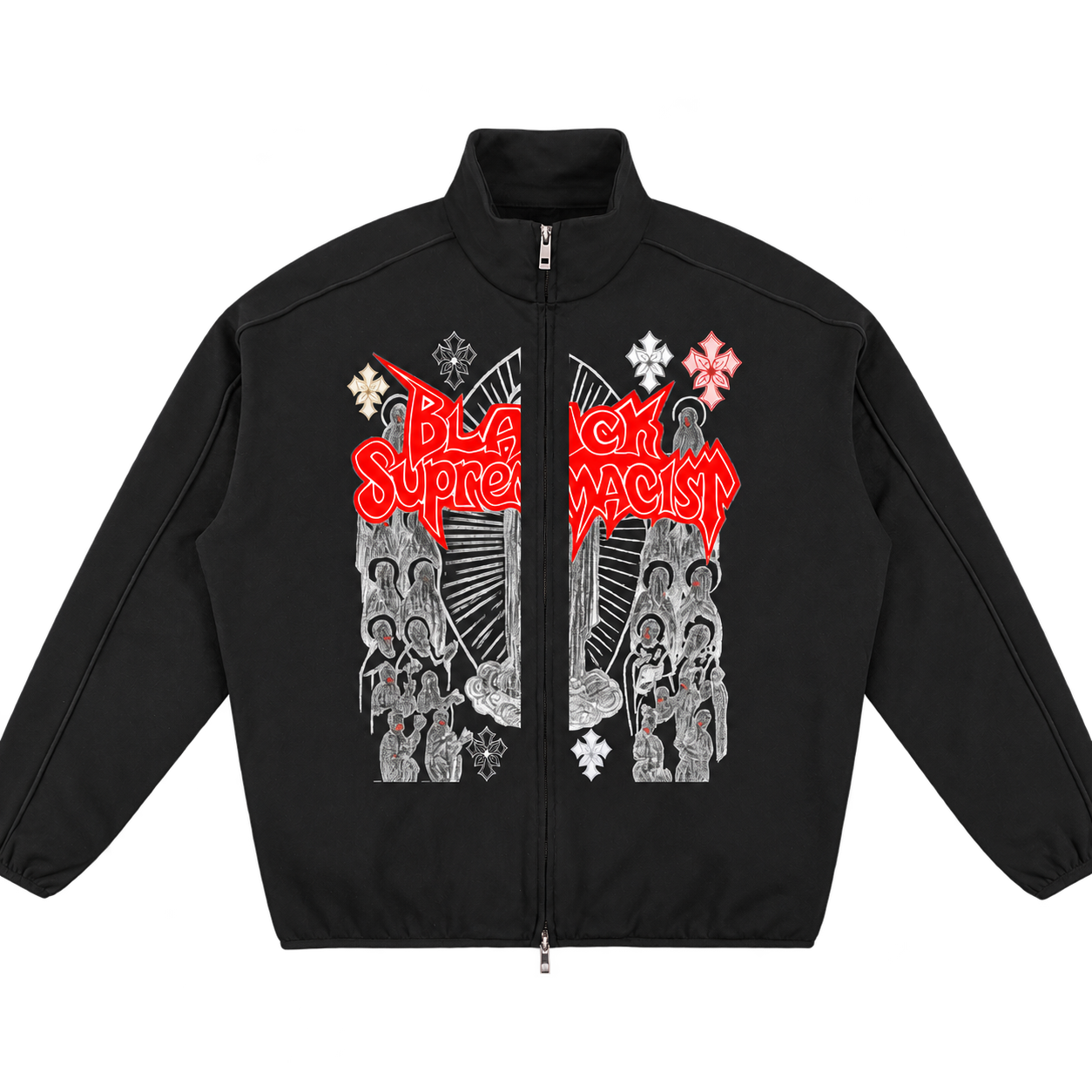
On December 1, 1944, French forces opened fire on West African veterans at the Thiaroye camp near Dakar after the soldiers demanded back pay and equal treatment following service and German captivity. France long reported 35 deaths, while later estimates and archival disputes suggest a higher toll. The men were members of the *Tirailleurs Sénégalais* from several colonies.
Features
- Effects: Zipper / Patchwork
- Fit: Oversized
- Neckline: Stand Collar
- Sleeve Style: Drop Shoulder
- Sleeve Length: Long Sleeve
- Season: Winter
- Style: Basics / Casual / Preppy / Sporty / Street
Care Instructions
- Machine wash at 30°C (gentle cycle)
- Do not bleach
- Tumble dry low
- Iron at low temperature, avoid ironing on print
- Do not dry clean
Fabric
- Material: 65.39% cotton, 34.61% polyester
- Fabric Weight: 445 gsm (13.1 oz)
- Thickness: Thick
- Breathability: Moderate
| S | M | L | XL | 2XL | |
| Length | 66 | 68 | 70 | 72 | 74 |
| Shoulder | 62 | 64 | 66 | 68 | 70 |
| Chest | 64 | 66 | 68 | 70 | 72 |
| Sleeve length | 56 | 57 | 58 | 59 | 60 |
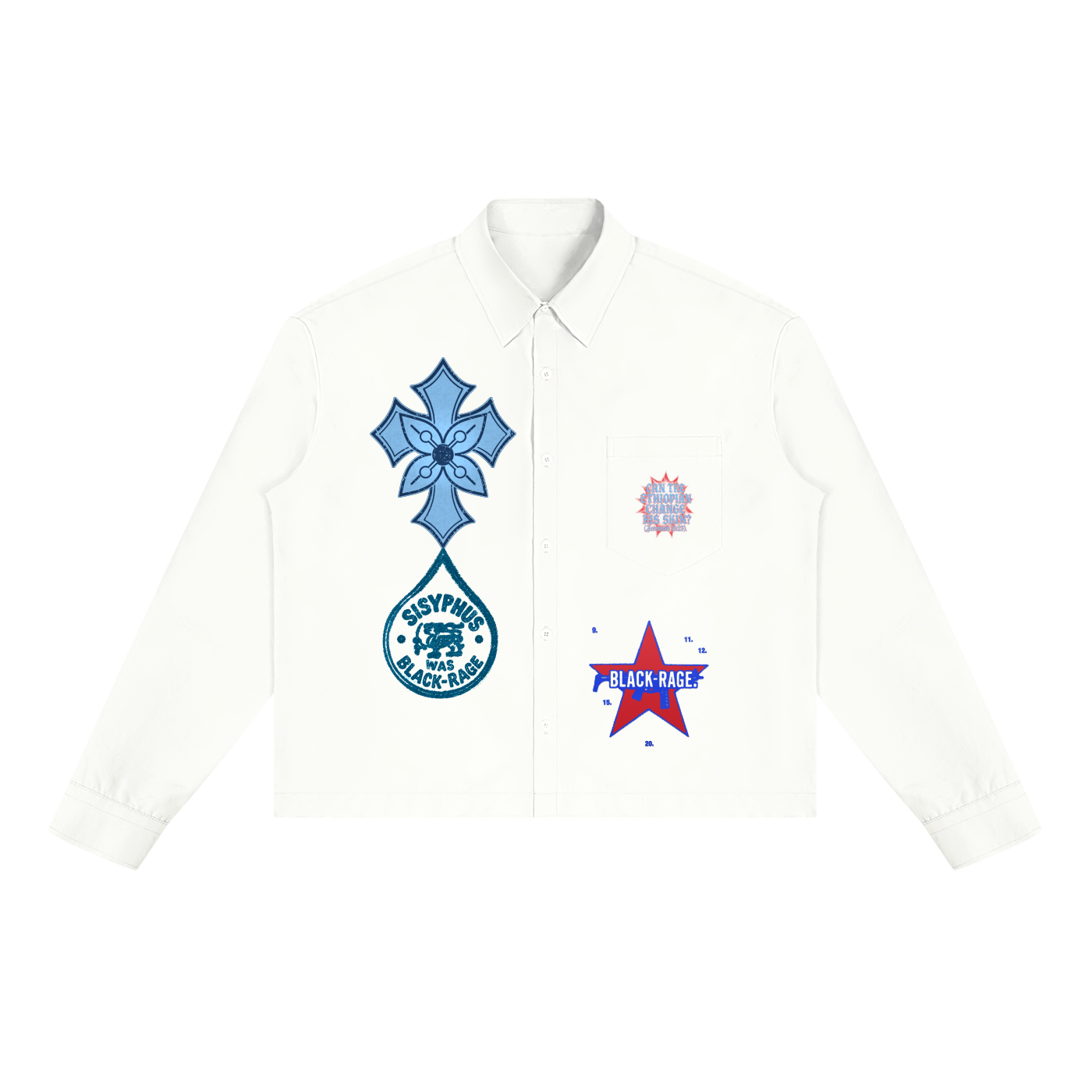
Virginia executed seven Black men—Francis DeSales Grayson, Booker T. Millner, Howard Lee Hairston, James Luther Hairston, Frank Hairston Jr., John Clabon Taylor and Joe Henry Hampton—on February 2 and 5, 1951, after convictions for raping a white woman. They received death sentences in trials before all-white juries while white men convicted of rape were almost never executed. Virginia granted posthumous pardons in 2021.
Features
- Effects: Pocket / Button
- Fit: Loose
- Neckline: Lapel Collar
- Sleeve Style: Drop Shoulder
- Sleeve Length: Long Sleeve
- Season: Spring / Summer / Autumn
- Style: Basics / Casual / Business
Care Instructions
- Machine wash at 30°C (gentle cycle)
- Do not bleach
- Tumble dry low
- Iron at low temperature, avoid ironing on print
- Do not dry clean
Fabric
- Material: 100% polyester
- Fabric Weight: 145 gsm (4.3 oz)
- Thickness: Thin
- Breathability: Moderate
| S | M | L | XL | 2XL | |
| Length | 62 | 64 | 66 | 68 | 70 |
| Shoulder | 56 | 57.5 | 59 | 60.5 | 62 |
| Chest | 60 | 62 | 64 | 66 | 68 |
| Sleeve length | 60.5 | 61 | 61.5 | 62 | 62.5 |
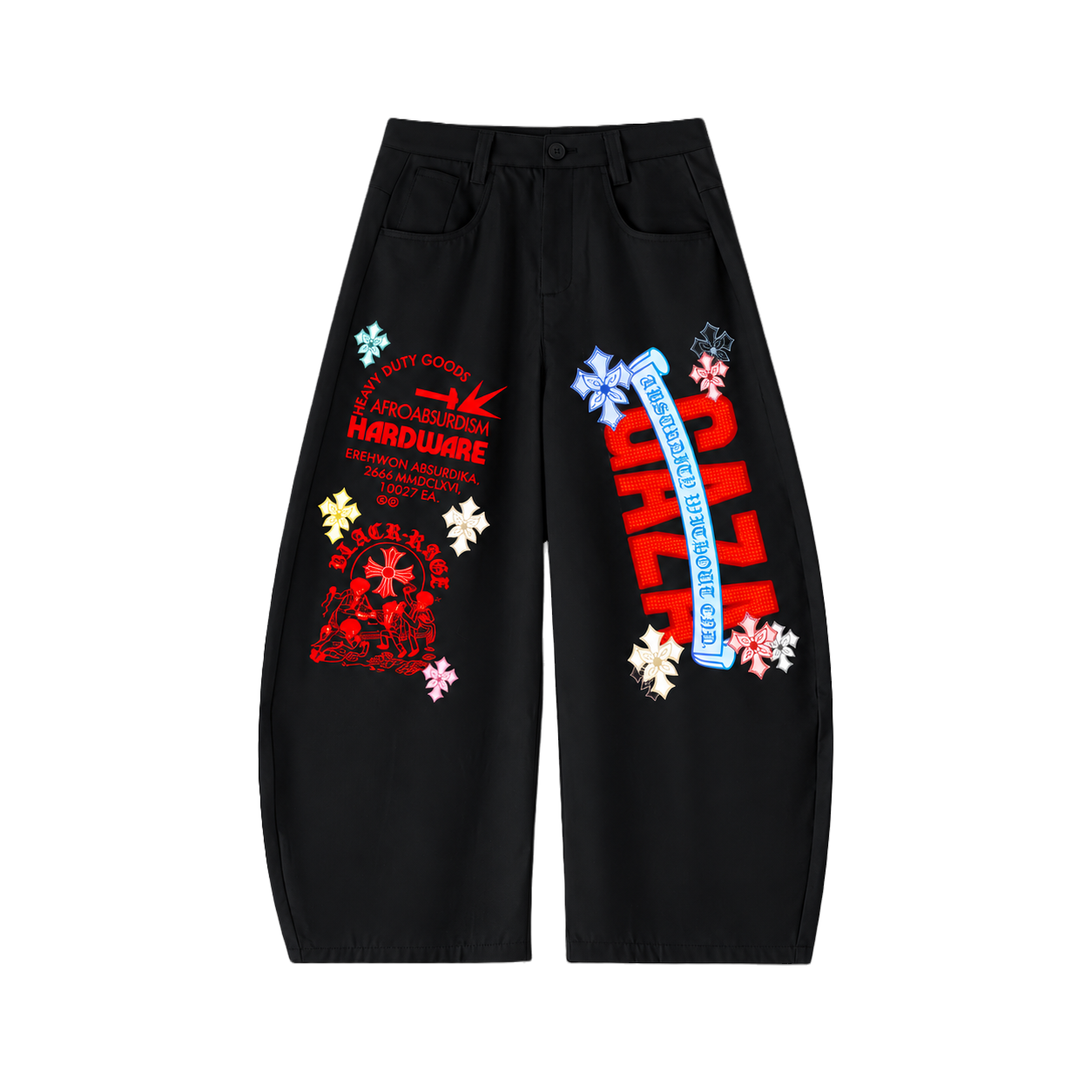
On January 24–25, 1835, African-born Muslim slaves and freedmen launched an uprising in Salvador, Brazil. Authorities killed dozens during street fighting and subjected hundreds of Africans to imprisonment, whipping, forced deportation or execution. Leaders included Ahuna, Pacífico Licutan and Luís Sanim.
Features
- Effects: Pocket
- Fit: Loose
- Season: Spring / Autumn
- Style: Basics / Casual / Sporty / Street
Care Instructions
- Machine wash at 30°C (gentle cycle)
- Do not bleach
- Tumble dry low
- Iron at low temperature, avoid ironing on print
- Do not dry clean
Fabric
- Material: Main Fabric: 84.4% polyester ,15.6% viscose; Contrast Fabric: 100% Polyester
- Fabric Weight: 300 gsm (8.8 oz)
- Thickness: Moderate
- Breathability: Moderate
| S | M | L | XL | |
| Length | 101 | 103 | 105 | 107 |
| Waist | 37 | 39 | 41 | 43 |
| Hip | 56.5 | 58.5 | 60.5 | 62.5 |
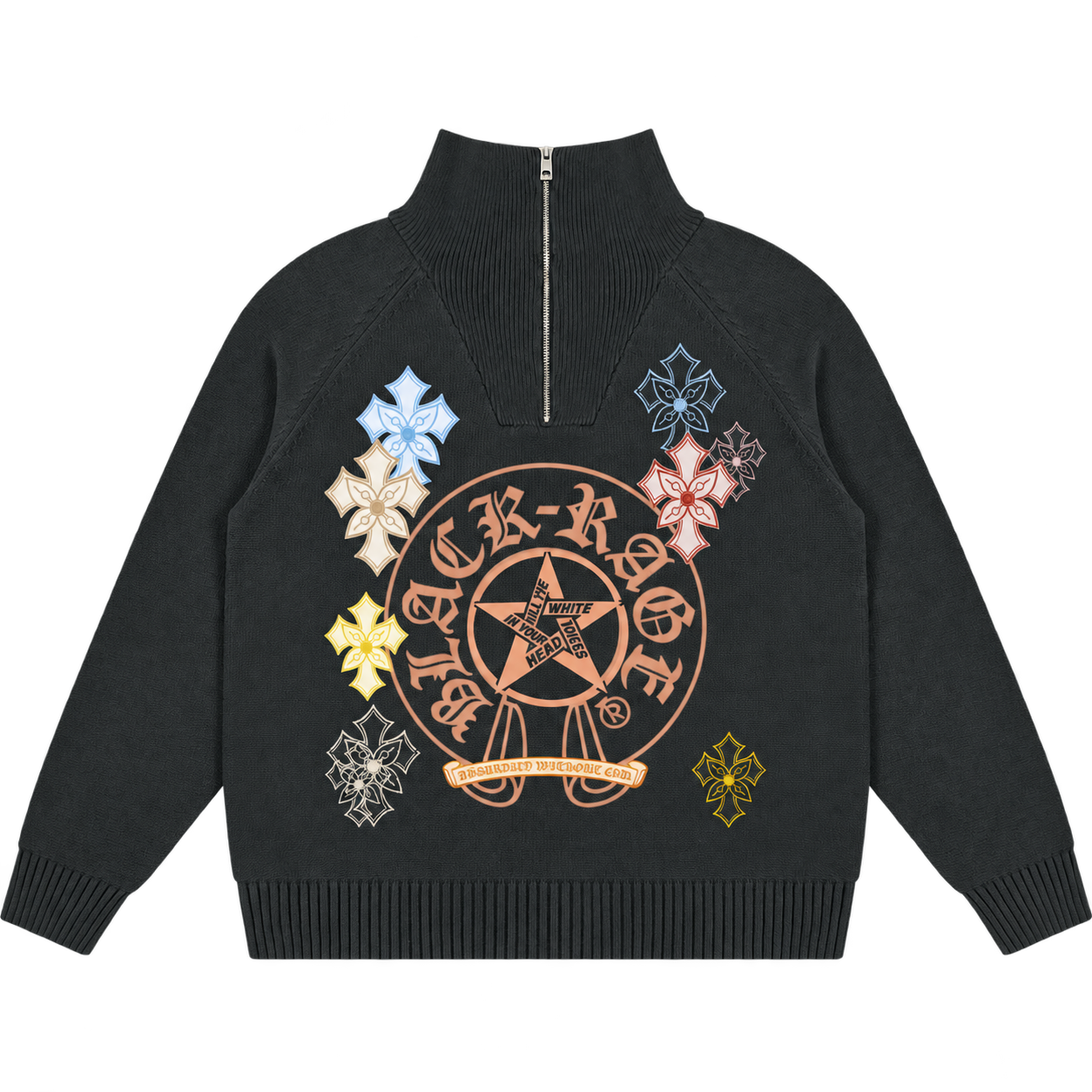
Ratified on December 6, 1865, the Thirteenth Amendment abolished slavery and involuntary servitude “except as a punishment for crime.” Southern states and private companies exploited that exception through discriminatory arrests, convict leasing and forced prison labor. Black Codes made unemployment, movement and ordinary conduct grounds for criminal punishment.
Features
- Effects: Zipper
- Fit: Loose
- Neckline: Stand Collar
- Sleeve Style: Raglan Sleeve
- Sleeve Length: Long Sleeve
- Season: Spring / Autumn
- Style: Basics / Casual / Preppy / Street / Vintage
Care Instructions
- Machine wash at 30°C (gentle cycle)
- Do not bleach
- Tumble dry low
- Iron at low temperature, avoid ironing on print
- Do not dry clean
Fabric
- Material: 100% cotton
- Fabric Weight: 750 gsm (22.1 oz)
- Thickness: Thick
- Breathability: Moderate
| S | M | L | XL | 2XL | |
| Length | 64 | 66 | 68 | 70 | 72 |
| Chest | 54 | 56 | 58 | 60 | 62 |
| Sleeve length | 73 | 74 | 75 | 76 | 77 |
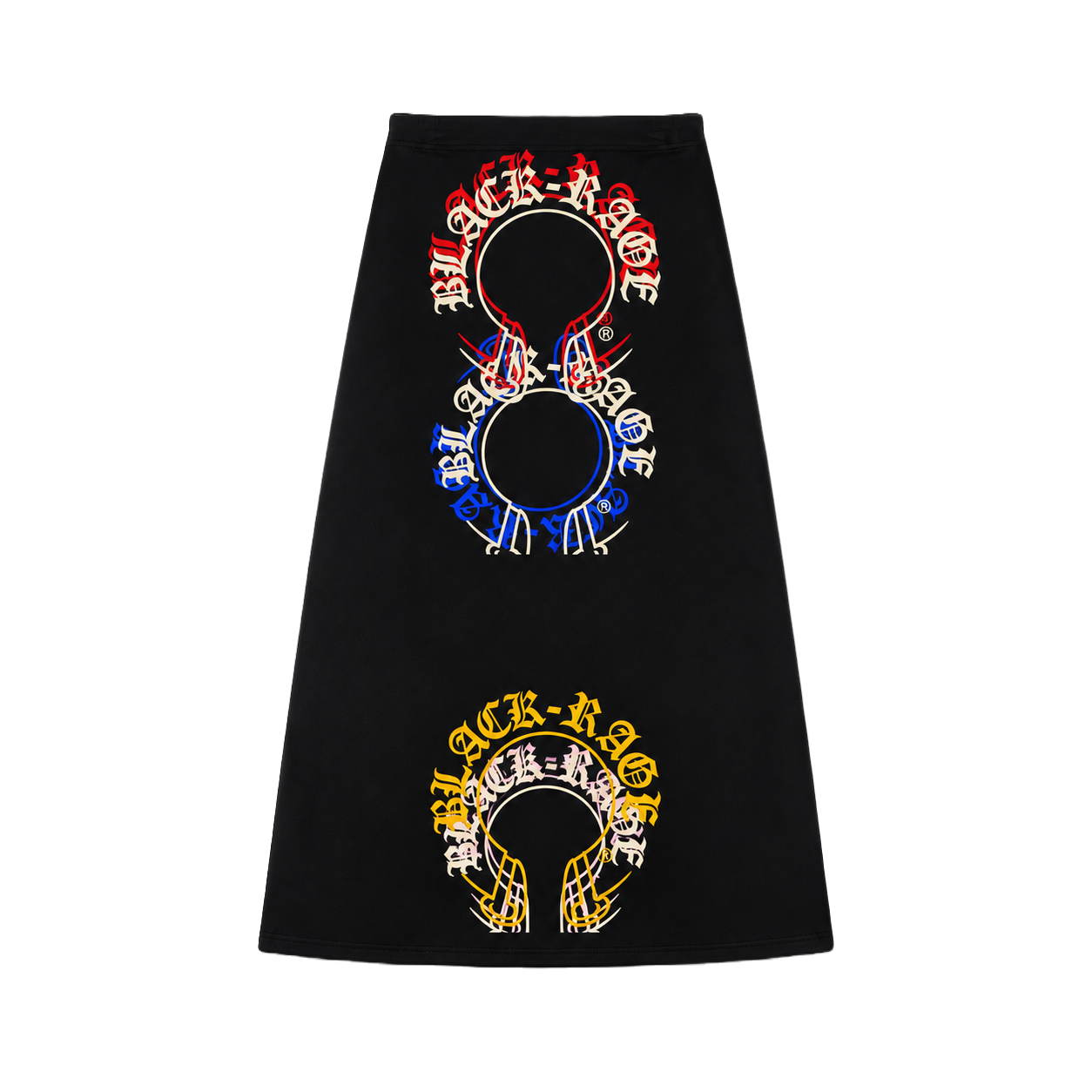
The U.S. Anti-Drug Abuse Act, signed October 27, 1986, created mandatory minimum sentences that treated one gram of crack cocaine like 100 grams of powder cocaine. Because crack prosecutions were concentrated in Black communities, the 100-to-1 rule produced extreme racial disparities. Congress reduced—but did not eliminate—the disparity through the 2010 Fair Sentencing Act.
Features
- Fit: Bodycon
- Season: Summer / Spring / Autumn
- Style: Basics / Casual
Care Instructions
- Machine wash at 30°C (gentle cycle)
- Do not bleach
- Tumble dry low
- Iron at low temperature, avoid ironing on print
- Do not dry clean
Fabric
- Material: 92% rayon, 8% spandex
- Fabric Weight: 260 gsm (7.7 oz)
- Thickness: Moderate
- Breathability: Moderate
| S | M | L | XL | |
| Length | 93 | 94.5 | 96 | 97.5 |
| Waist | 32.5 | 34.5 | 36.5 | 38.5 |
| Hip | 43 | 45 | 47 | 49 |
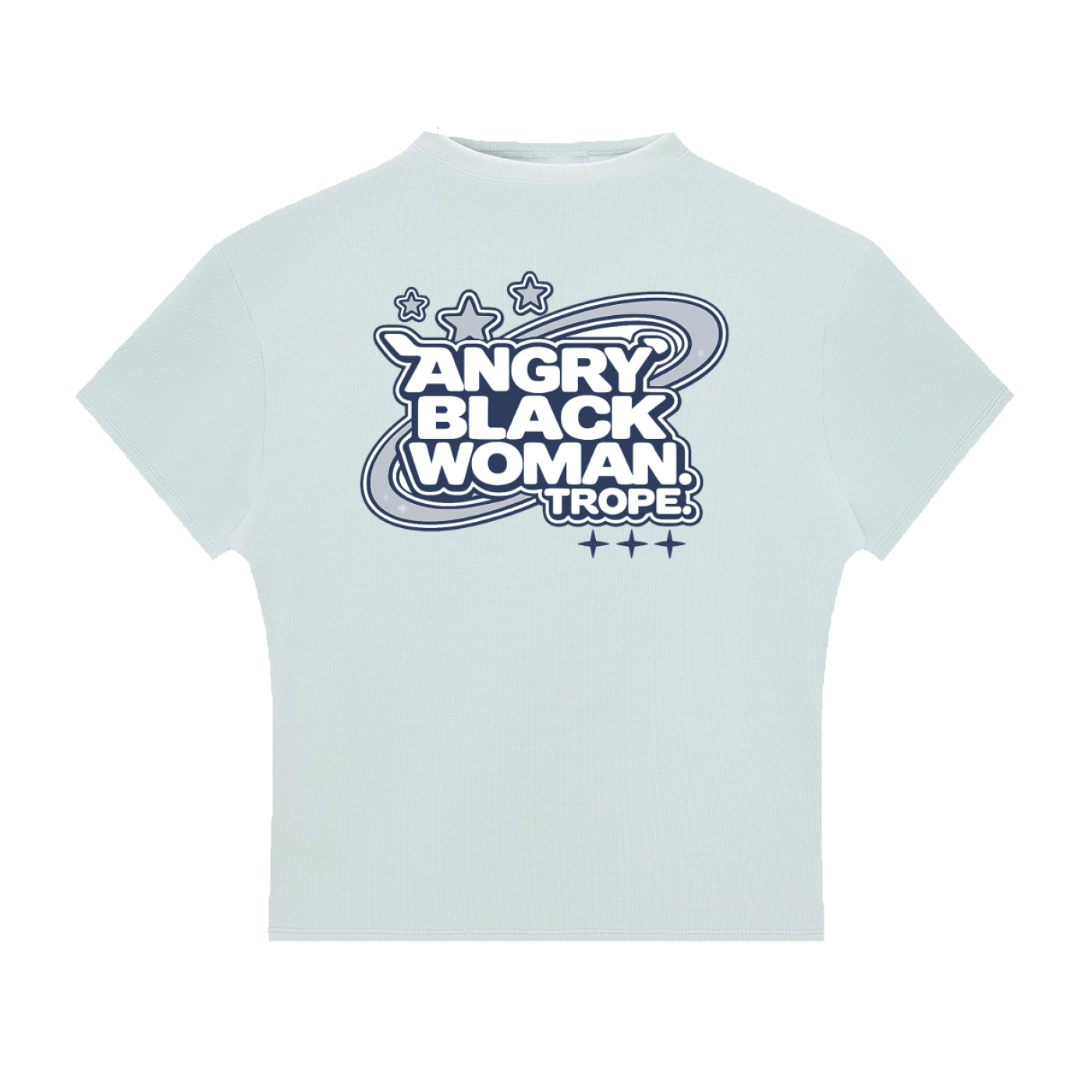
The Barbados legislature adopted a slave code that treated enslaved Africans as property and gave enslavers sweeping power to punish them. The code distinguished Africans from white servants and normalized brutal physical discipline. It became a model for slave laws in Jamaica, South Carolina and other English colonies.
Features
- Fit: Bodycon
- Neckline: Round Neck / O-Neck
- Sleeve Style: Regular Sleeve
- Sleeve Length: Short Sleeve
- Season: Spring / Summer
- Style: Basics / Casual / Elegant
Care Instructions
- Machine wash at 30°C (gentle cycle)
- Do not bleach
- Tumble dry low
- Iron at low temperature, avoid ironing on print
- Do not dry clean
Fabric
- Material: 47.1% cotton, 47.1% viscose, 5.8% spandex
- Fabric Weight: 260 gsm (7.7 oz)
- Thickness: Thin
- Breathability: Moderate
| S | M | L | XL | |
| Length | 48.5 | 50 | 51.5 | 53 |
| Shoulder | 35.5 | 37 | 38.5 | 40 |
| Chest | 40.5 | 42.5 | 44.5 | 46.5 |
| Sleeve length | 13 | 14 | 15 | 16 |
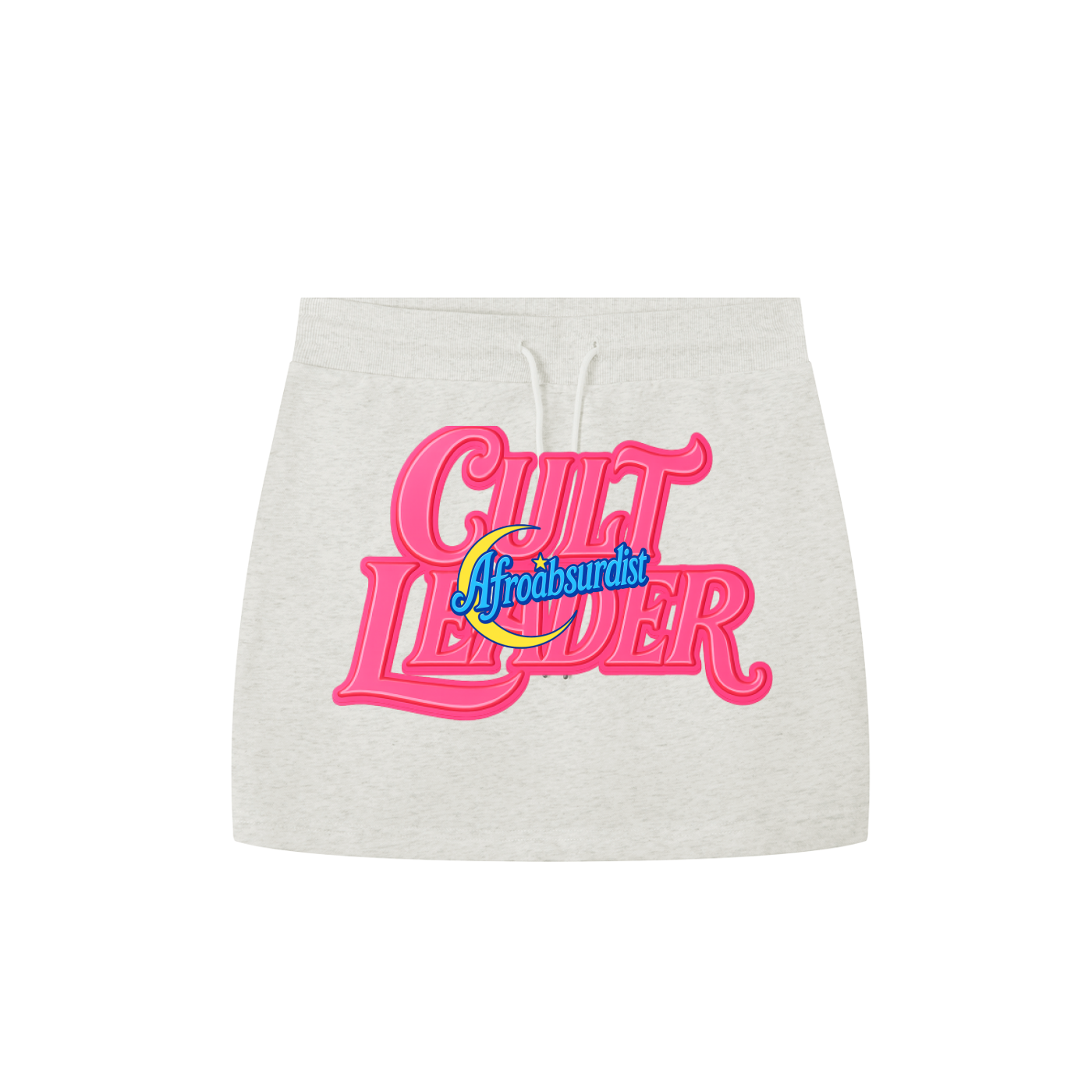
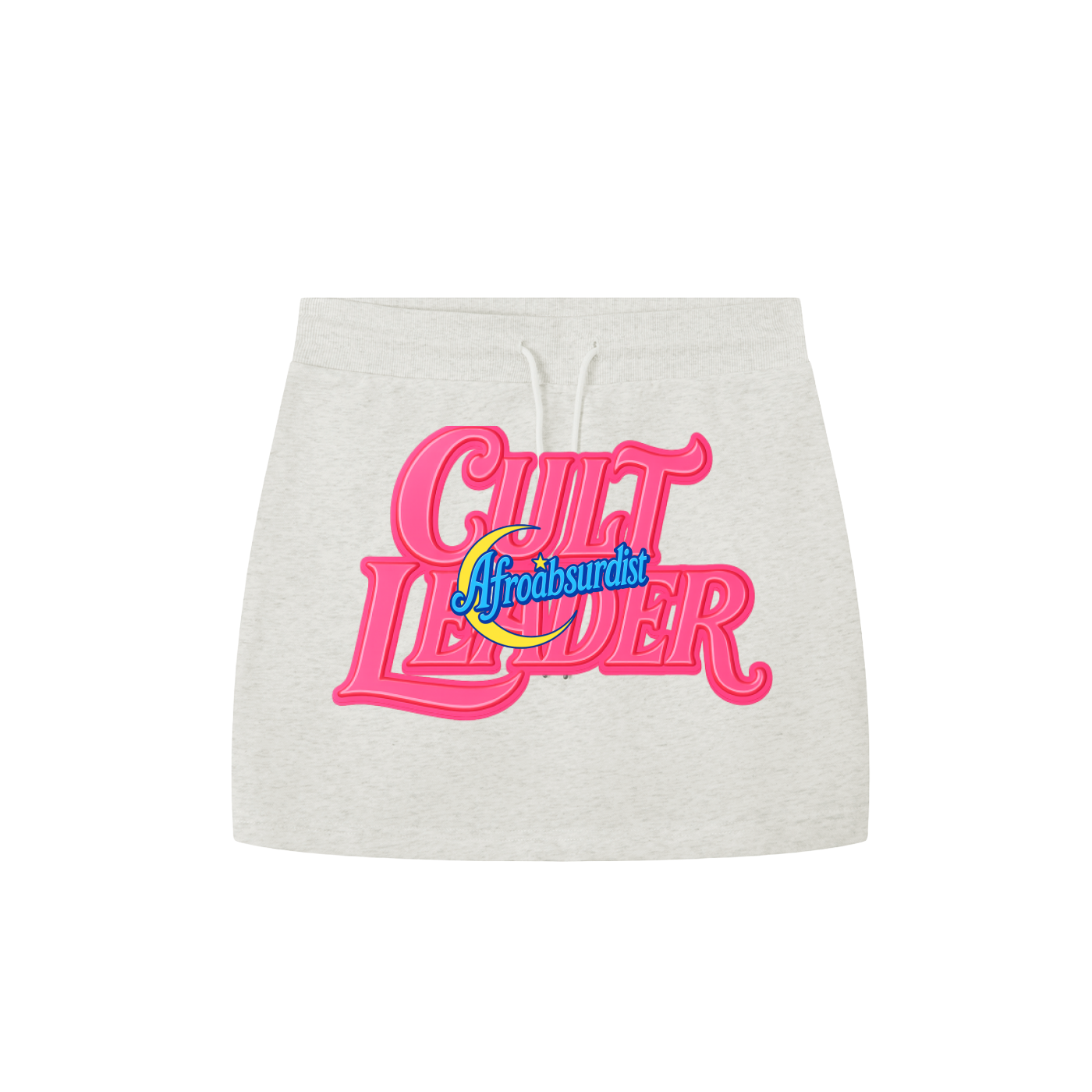
| S | M | L | XL | |
| Length | 37 | 39 | 41 | 43 |
| Waist | 35.5 | 37.5 | 39.5 | 41.5 |
| Hip | 47 | 49 | 51 | 53 |
Easter Egg: Lot #1919 references Red Summer, a tumultuous period in 1919 marked by widespread racially motivated violence across the United States, primarily targeting African American communities. Triggered by the return of World War I soldiers and heightened racial tensions from the Great Migration, this violent outburst saw more than thirty cities experience riots fueled by a blend of white resentment against Black migration and competition for jobs. Researchers believe that in a span of 10 months, more than 250 African Americans were killed in at least 25 riots across the U.S. by white mobs.
Gender: Women
Fabric: 80% cotton, 20% polyester
Fabric Weight: 9.1 oz/yd² (310 g/m²)
Fabric Thickness: Moderate
Care Instructions: Machine wash at 30°C (gentle cycle); Do not bleach; Tumble dry low; Iron at low temperature, avoid ironing on print; Do not dry clean
Features: Basics, Casual, Sexy, Daily Casual, Holiday, Outdoor, School, Office, Cotton Blend, Drawstring, Elastic Waist, Crop, Regular, Mid Waist, Spring, Summer, Autumn
Print Size: 40*52cm
Notes: Minor batch differences can occur during blank garment production due to variations in fabric, dye and processing. This is common in apparel manufacturing, and we work hard to keep every item consistent.
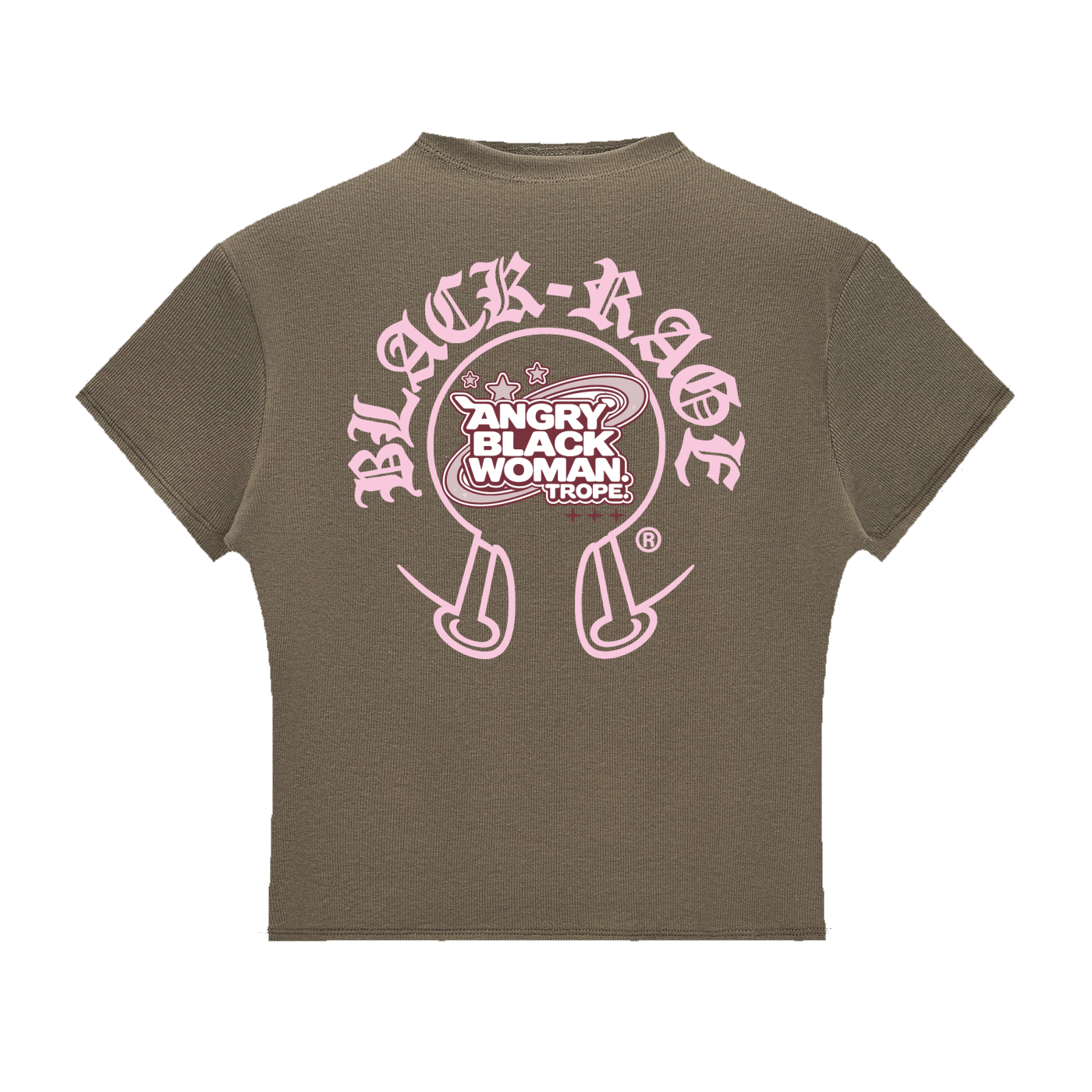
The Massachusetts Body of Liberties formally permitted bondage in specified circumstances, making Massachusetts the first English mainland colony to codify slavery in law. The colony and its merchants later participated in Atlantic and Caribbean slave-trading networks.
Features
- Fit: Bodycon
- Neckline: Round Neck / O-Neck
- Sleeve Style: Regular Sleeve
- Sleeve Length: Short Sleeve
- Season: Spring / Summer
- Style: Basics / Casual / Elegant
Care Instructions
- Machine wash at 30°C (gentle cycle)
- Do not bleach
- Tumble dry low
- Iron at low temperature, avoid ironing on print
- Do not dry clean
Fabric
- Material: 47.1% cotton, 47.1% viscose, 5.8% spandex
- Fabric Weight: 260 gsm (7.7 oz)
- Thickness: Thin
- Breathability: Moderate
| S | M | L | XL | |
| Length | 48.5 | 50 | 51.5 | 53 |
| Shoulder | 35.5 | 37 | 38.5 | 40 |
| Chest | 40.5 | 42.5 | 44.5 | 46.5 |
| Sleeve length | 13 | 14 | 15 | 16 |
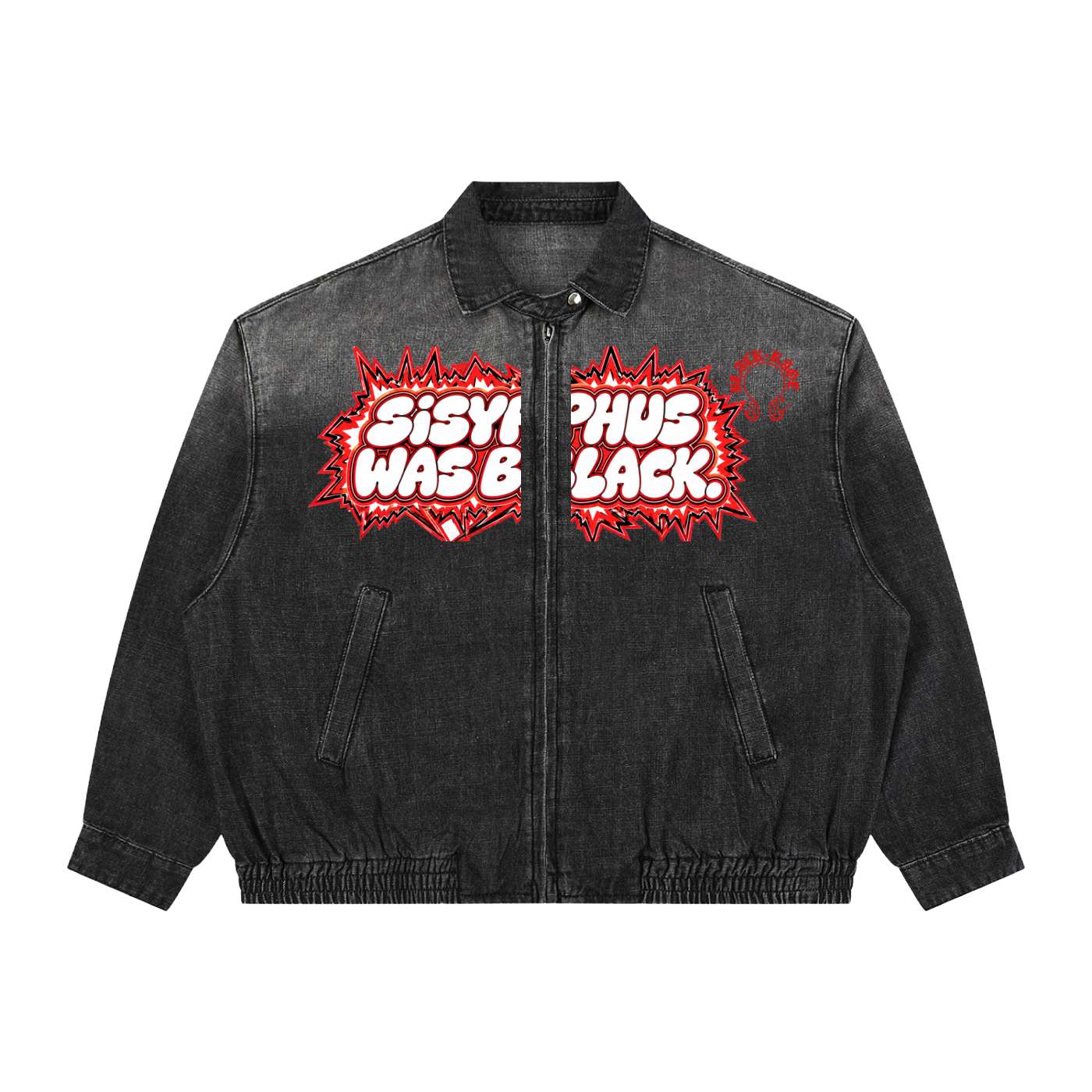
| S | M | L | XL | 2XL | |
| Length | 62 | 63.5 | 65 | 66.5 | 68 |
| Shoulder | 58 | 59 | 60 | 61 | 62 |
| Chest | 67 | 69 | 71 | 73 | 75 |
| Sleeve length | 53 | 54 | 55 | 56 | 57 |
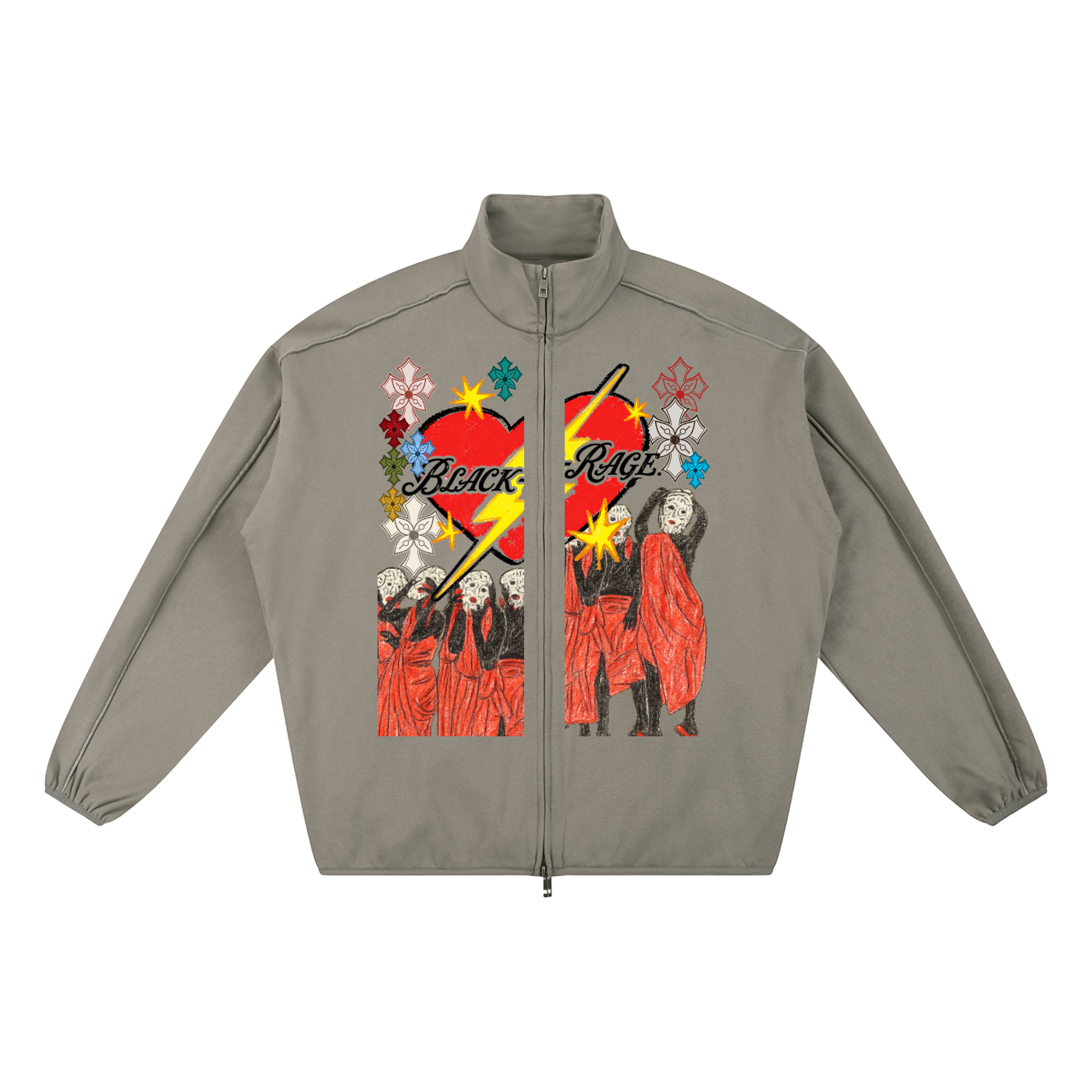
Easter Egg: Lot #2014 references the killing of Tamir Rice, the fatal shooting of a 12-year-old Black boy by a white Cleveland police officer in November 2014. Officer Timothy Loehmann shot Rice within seconds of arriving at the scene, after a 911 caller reported a person with a gun but did not relay that the gun was likely fake or that the person was a juvenile. A grand jury declined to bring criminal charges against the officers, and the U.S. Justice Department found insufficient evidence for federal charges.Gender: Unisex
Fabric: 70% cotton, 30% polyester
Fabric Weight: 9.4 oz/yd² (320 g/m²)
Fabric Thickness: Moderate
Care Instructions: Machine wash at 30°C (gentle cycle); Do not bleach; Tumble dry low; Iron at low temperature, avoid ironing on print; Do not dry clean
Features: Basics, Casual, Preppy, Sporty, Street, Vintage, Daily Casual, Holiday, Party, School, Festival, Office, Cotton Blend, Washed, Zipper, Long Sleeve, Lapel Collar, Regular, Loose, Spring, Autumn
Print Size: 40*52cm
Notes: Minor batch differences can occur during blank garment production due to variations in fabric, dye and processing. This is common in apparel manufacturing, and we work hard to keep every item consistent.
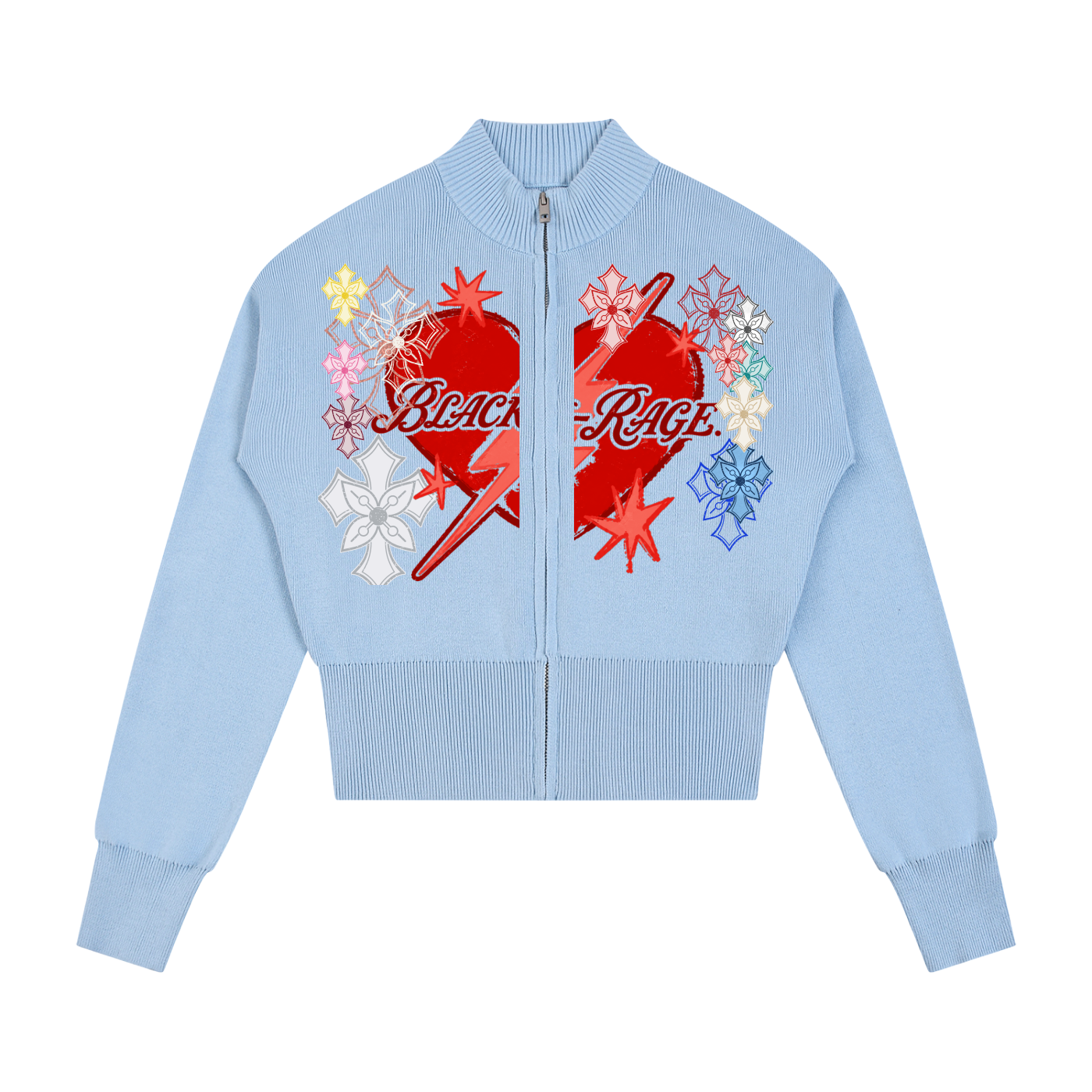
On November 2, 1920, white mobs attacked Black residents of Ocoee, Florida, after Mose Norman attempted to vote. Julius “July” Perry was captured, lynched and displayed; homes and churches were burned, and an unknown number of Black residents were killed. The surviving Black population was expelled, and Ocoee remained virtually all-white for decades.
Features
- Effects: Zipper / Patchwork
- Fit: Oversized
- Neckline: Stand Collar
- Sleeve Style: Drop Shoulder
- Sleeve Length: Long Sleeve
- Season: Winter
- Style: Basics / Casual / Preppy / Sporty / Street
Care Instructions
- Machine wash at 30°C (gentle cycle)
- Do not bleach
- Tumble dry low
- Iron at low temperature, avoid ironing on print
- Do not dry clean
Fabric
- Material: 65.39% cotton, 34.61% polyester
- Fabric Weight: 445 gsm (13.1 oz)
- Thickness: Thick
- Breathability: Moderate
| S | M | L | XL | 2XL | |
| Length | 66 | 68 | 70 | 72 | 74 |
| Shoulder | 62 | 64 | 66 | 68 | 70 |
| Chest | 64 | 66 | 68 | 70 | 72 |
| Sleeve length | 56 | 57 | 58 | 59 | 60 |
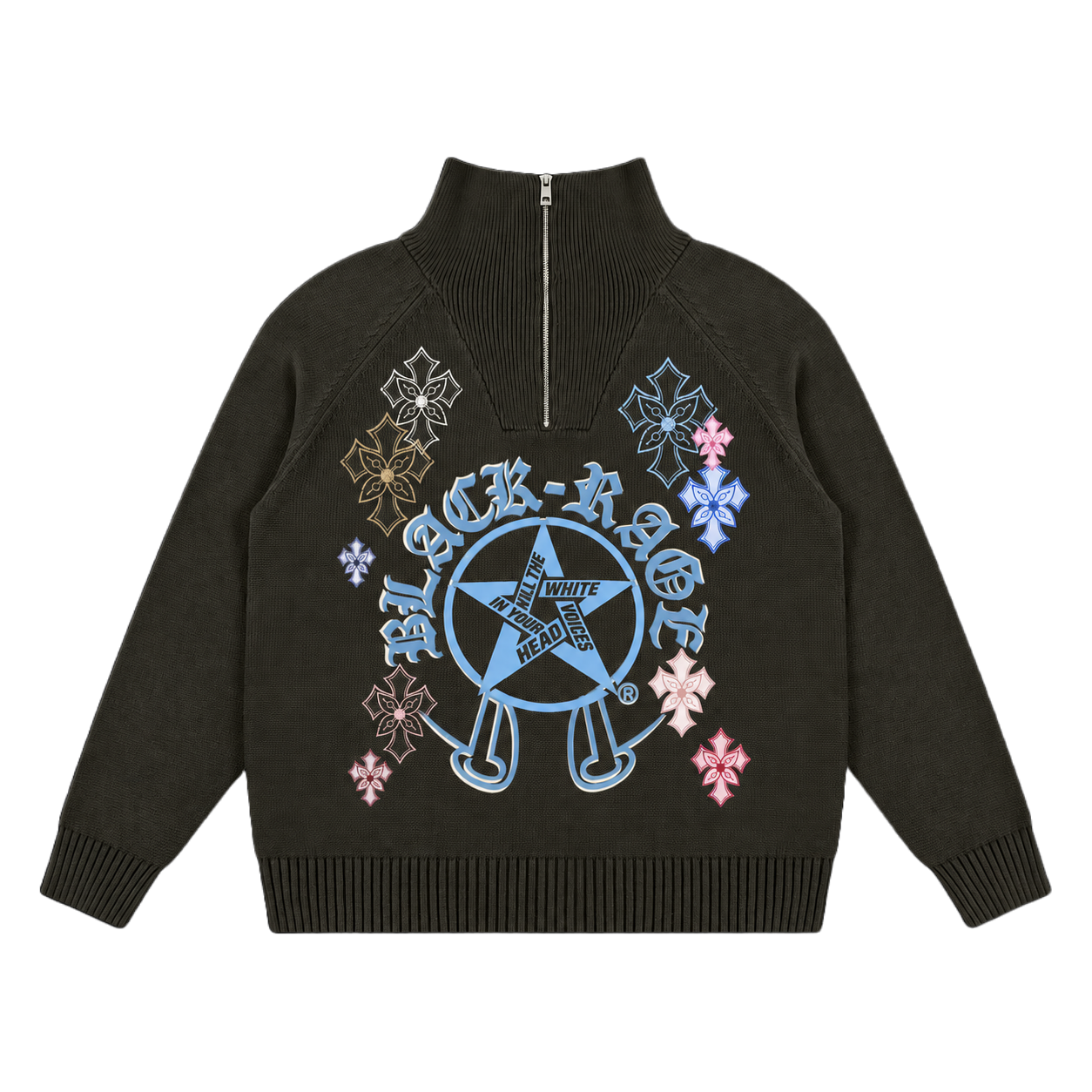
On March 6, 1857, the U.S. Supreme Court ruled that Dred Scott, Harriet Scott and people of African descent could not be citizens under the Constitution and that Congress lacked authority to prohibit slavery in federal territories. Chief Justice Roger B. Taney wrote the majority opinion. The decision nationalized white-supremacist constitutional doctrine. [S04]
Features
- Effects: Zipper
- Fit: Bodycon
- Neckline: Stand Collar
- Sleeve Style: Drop Shoulder
- Sleeve Length: Long Sleeve
- Season: Spring / Autumn
- Style: Basics / Casual / Street / Vintage
Care Instructions
- Machine wash at 30°C (gentle cycle)
- Do not bleach
- Tumble dry low
- Iron at low temperature, avoid ironing on print
- Do not dry clean
Fabric
- Material: 90% cotton, 10% nylon
- Fabric Weight: 420 gsm (12.4 oz)
- Thickness: Moderate
- Breathability: Moderate
| S | M | L | XL | |
| Length | 48 | 50 | 52 | 54 |
| Shoulder | 49 | 51 | 53 | 55 |
| Chest | 46 | 48 | 50 | 52 |
| Sleeve length | 51 | 52 | 53 | 54 |
From July 23–27, 1900, a confrontation involving Black laborer Robert Charles and New Orleans police escalated into mob attacks on the city’s Black population. Charles killed several officers before police killed him. White mobs murdered Black residents who had no connection to him, assaulted others and destroyed property while authorities failed to provide protection.
Features
- Effects: Zipper
- Fit: Loose
- Neckline: Stand Collar
- Sleeve Style: Raglan Sleeve
- Sleeve Length: Long Sleeve
- Season: Spring / Autumn
- Style: Basics / Casual / Preppy / Street / Vintage
Care Instructions
- Machine wash at 30°C (gentle cycle)
- Do not bleach
- Tumble dry low
- Iron at low temperature, avoid ironing on print
- Do not dry clean
Fabric
- Material: 100% cotton
- Fabric Weight: 750 gsm (22.1 oz)
- Thickness: Thick
- Breathability: Moderate
| S | M | L | XL | 2XL | |
| Length | 64 | 66 | 68 | 70 | 72 |
| Chest | 54 | 56 | 58 | 60 | 62 |
| Sleeve length | 73 | 74 | 75 | 76 | 77 |
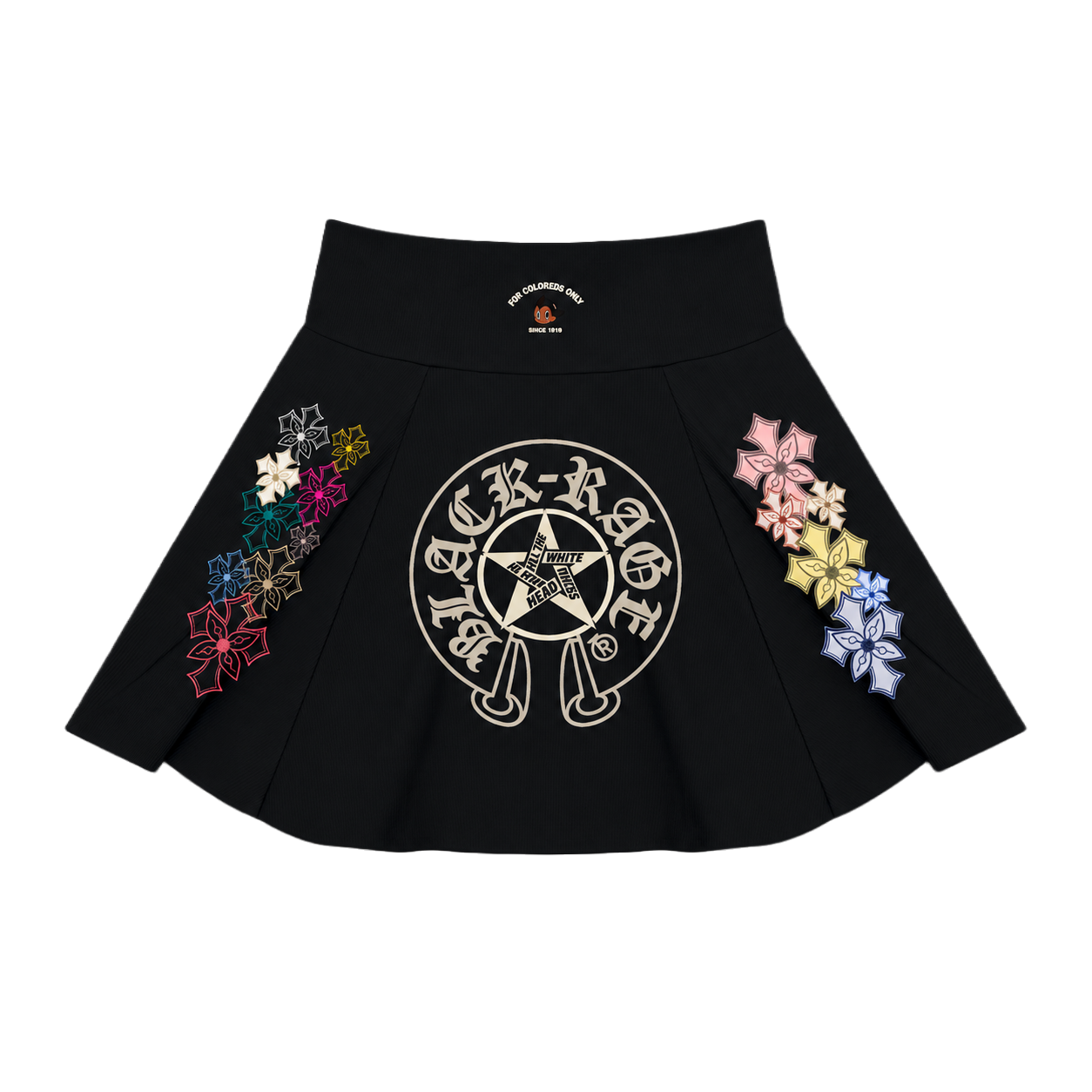
In September 1876, white paramilitary groups attacked Black communities around Ellenton, South Carolina, while claiming to pursue alleged assailants. Estimates of Black people killed range from roughly 30 to more than 100. The violence formed part of a statewide campaign to suppress Black political power before the election.
Features
- Fit: Bodycon
- Season: Summer
- Style: Basics / Sporty
Care Instructions
- Machine wash at 30°C (gentle cycle)
- Do not bleach
- Tumble dry low
- Iron at low temperature, avoid ironing on print
- Do not dry clean
Fabric
- Material: Outer Fabric: 92% nylon, 8% elastane; Inner Fabric: 92% nylon, 8% elastane
- Fabric Weight: 320 gsm (9.4 oz)
- Thickness: Thin
- Breathability: Moderate
| 4 | 6 | 8 | 10 | |
| Length | 29 | 30 | 31 | 32 |
| Waist | 29 | 31 | 33 | 35 |
| Hip | 37 | 39.5 | 42 | 44.5 |
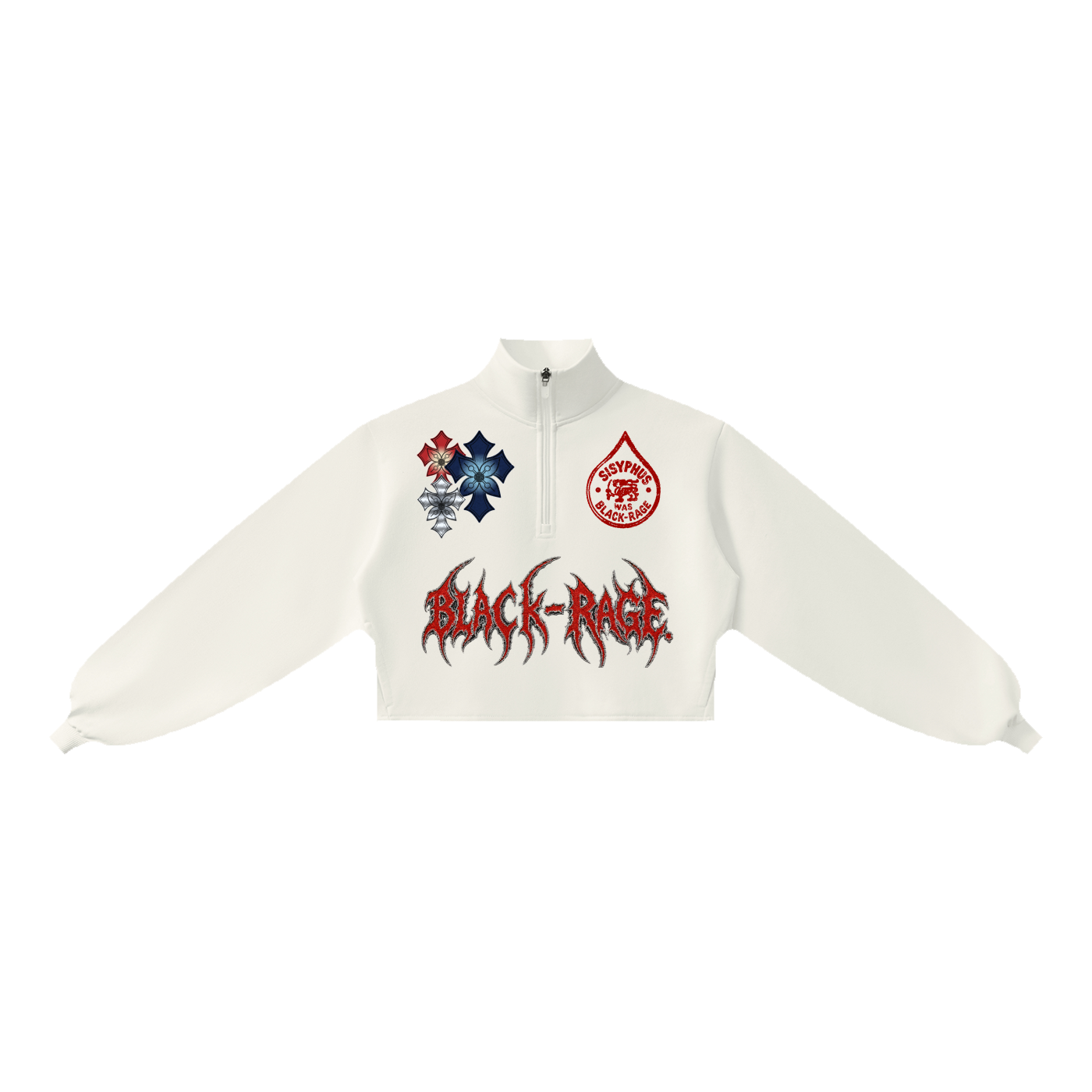
On April 13, 1873, armed white supremacists attacked Black citizens defending the courthouse in Colfax, Louisiana, after a disputed election. Approximately 150 Black people were killed, many after surrendering. The Supreme Court’s 1876 decision in "United States v. Cruikshank" destroyed the federal prosecution and weakened protection against private racial terror.
Features
- Effects: Zipper
- Fit: Loose
- Neckline: Stand Collar
- Sleeve Style: Regular Sleeve
- Sleeve Length: Long Sleeve
- Season: Spring / Summer / Autumn
- Style: Basics / Casual / Preppy
Care Instructions
- Machine wash at 30°C (gentle cycle)
- Do not bleach
- Tumble dry low
- Iron at low temperature, avoid ironing on print
- Do not dry clean
Fabric
- Material: 56.44% cotton, 43.56% polyester
- Fabric Weight: 420 gsm (12.4 oz)
- Thickness: Thick
- Breathability: Moderate
| S | M | L | XL | |
| Length | 47.5 | 49 | 50.5 | 52 |
| Chest | 50 | 52 | 54 | 56 |
| Shoulder | 44.5 | 46 | 47.5 | 49 |
| Sleeve length | 59 | 60 | 61 | 62 |
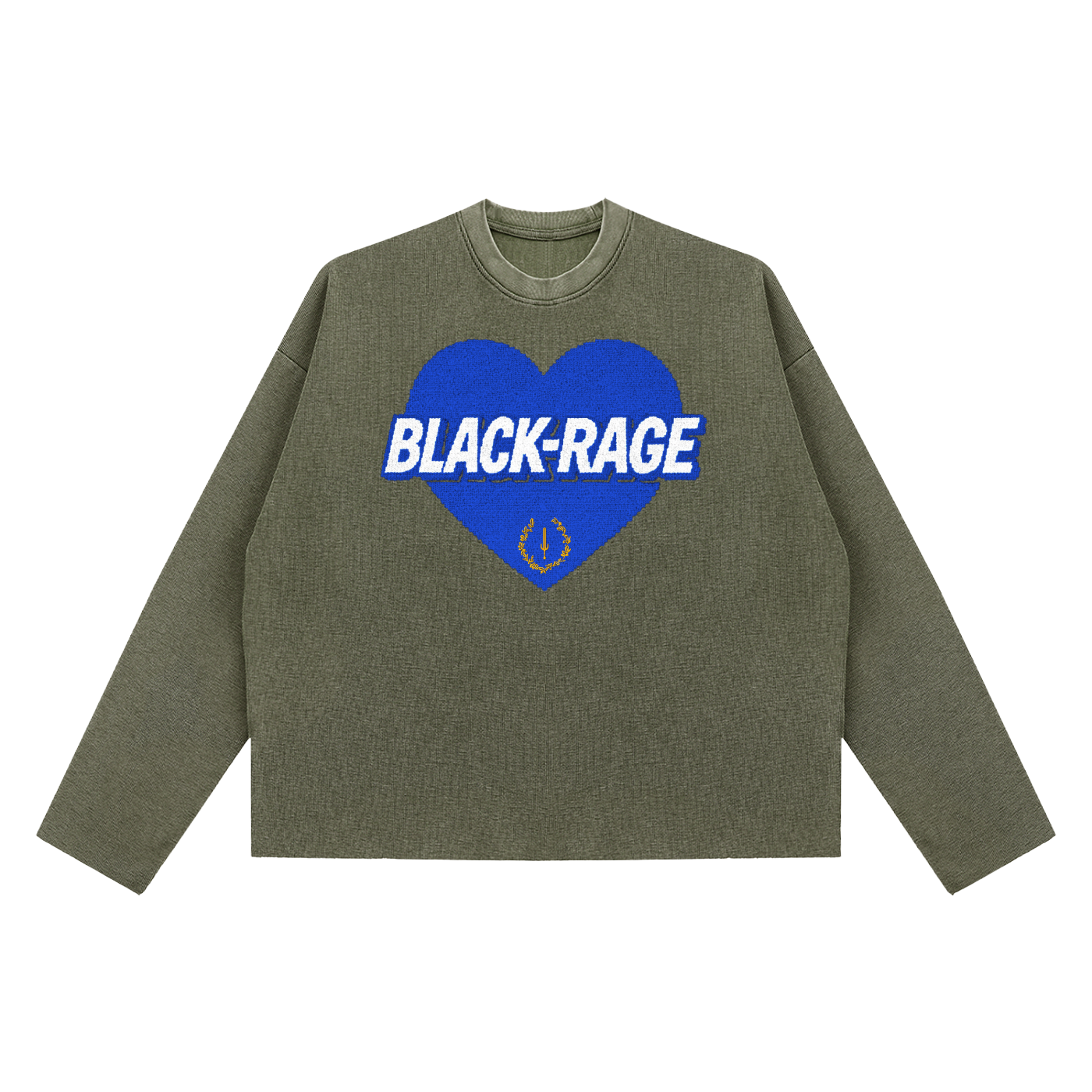
| S | M | L | XL | 2XL | |
| Length | 62 | 64 | 66 | 68 | 70 |
| Shoulder | 62 | 64 | 66 | 68 | 70 |
| Chest | 63 | 65 | 67 | 69 | 71 |
| Sleeve length | 55 | 56 | 57 | 58 | 59 |
Easter Egg: Lot #2018 references the response to Afro-Absurdism. The socio-politico-cultural movement described as Surrealism depicts the universal human quest in maladroit juxtapositions of loneliness, revulsion, madness, non-reality, angst, and euphoria within an ambiguous, incongruous, and albeit symbolically paradoxical framework. Surrealism is not merely fantastical or bizarre melting clocks without time, African villages turned on its side, or bowler hats, but a vanquishing of death, or at least the fear of it. It is the sanguine face we wear in response to life by incomprehension; resigned to an existence without Biblical meaning. The word first appeared in 1917, in the literature of French poet Guillaume Apollinaire who used it to describe his own work 'The Breasts of Tiresias'. He believed Surrealism and all of its discomfiting awareness meant the fruits of the human condition freed from the task of imitating the human condition. Surrealism was born out of the spirit of Dada, it emerged in Europe during the tenuous-turbulent years of WWI leading up to WWII. It crosses borders seamlessly between animate and inanimate, conscious and subconscious. However, Freud himself disparaged this ideology. He acknowledged that Surrealist artists were producing great works, but wholeheartedly believed that ego and conscious laid foliage along the passage. So the art continued, but the movement of the bizarre, the irrational, oftentimes hyper-attentive and hallucinatory lost its vigor and momentum. Later, in 1974 Amiri Baraka coined the radical-racial plurality of Afro-surrealism. D. Scot Miller penned the manifesto in 2009 with permission by Baraka, in it he asserted the Afrosurreal rejected the quiet servitude that characterizes existing roles for African Americans…"" It is the Future-Past, present-day realism, and the everyday lived experience, it is Samuel R. Delany's 1974 Dhalgren, Toni Morrison's Beloved, Arthur Jafa and ""the alien familiar,"" Kanye West Yeezus, Beyonce & Jay going Apeshit in the louvre, ""Get Out"" and ""Atlanta"", ""Sorry to Bother You,"" Prince's Purple revolution, Bob Kaufman, Jean-Michel, Ralph Ellison's 1952 classic novel Invisible Man, African and African-Caribbean artists André Breton and Aimé Césaire, René Ménil's Antillanité movement, Kool Keith's Dr. Octagonecologyst! This is Afro-Surreal! Afro-Surreal postulates the internal black experience beyond the rational mind, striving to manifest with this visible world. Afro-Surrealists recognize the concept of ""symbolic immortality,"" that we might be freed from the tyranny of the mundane, of logic, and that we might discover truths more real than reality. Afro-surrealism is the juxtapositions of untamed thought, cymbals of deeper experience between the primal Dionysian and the plastic intellectual Apollonian, the Dionysian speaks to the emotional mind, while the Apollonian speaks to the rational mind. Afro-Surrealists build distinctive worlds ruled by unfiltered, unapologetic blackness. This is Afro-Surreal! While Afrofuturism refers to free expression of black subjectivity, the unearthing and sometimes reconstruction of buried African history, a contemporary genre of Black diasporic writers, artisans, musicians, theorists, and philosophers that blend Afro-culture, sci fi, magical realism, technology, and traditional African myths & mysticisms. It is the language of rebellion taking many forms, both posthuman and technological, an intersectional lens through which we view futures or alternate realities, where worlds exist without European colonialism or pseudo-Western Enlightenment. Reimagining new forms of temporality at the intersection of time, memory, and love, while seeking to reclaim black identity. Afrofuturism is a reaction to European expression, and the global status quo, it wrestles with political, economic, social, and technological inequalities. The term derives from a 1994 essay ""Flame Wars: The Discourse of Cyberculture"" by Mark Dery, an author, critic, and essayist. Dery used the term to define ""speculative fiction that treats African-American themes and addresses African-American concerns in the context of 20th-century technoculture — and more generally, African-American signification that appropriates images of technology and a prosthetically enhanced future."" That describes W.E.B DuBois, Ralph Ellison, Octavia Butler, Martin Delany, Charles Chesnutt, Nnedi Okorafor, Edward Johnson, John Coltrane, Miles Davis, Jimi Hendrix, Outkast, Erykah Badu, Solange, Sun Ra, George Clinton and his band Parliament and again Prince.
Gender: Unisex
Fabric: 70% cotton, 30% polyester
Fabric Weight: 10.0 oz/yd² (340 g/m²)
Care Instructions: Machine wash at 30°C (gentle cycle); Do not bleach; Tumble dry low; Iron at low temperature, avoid ironing on print; Do not dry clean
Features: Vintage, Daily Casual, Outdoor, School, Office, Cotton Blend, Washed, Long Sleeve, Regular Sleeve, Round Neck / O-Neck, Regular, Loose, Spring, Autumn
Print Size: 40*52cm
Notes: Minor batch differences can occur during blank garment production due to variations in fabric, dye and processing. This is common in apparel manufacturing, and we work hard to keep every item consistent.
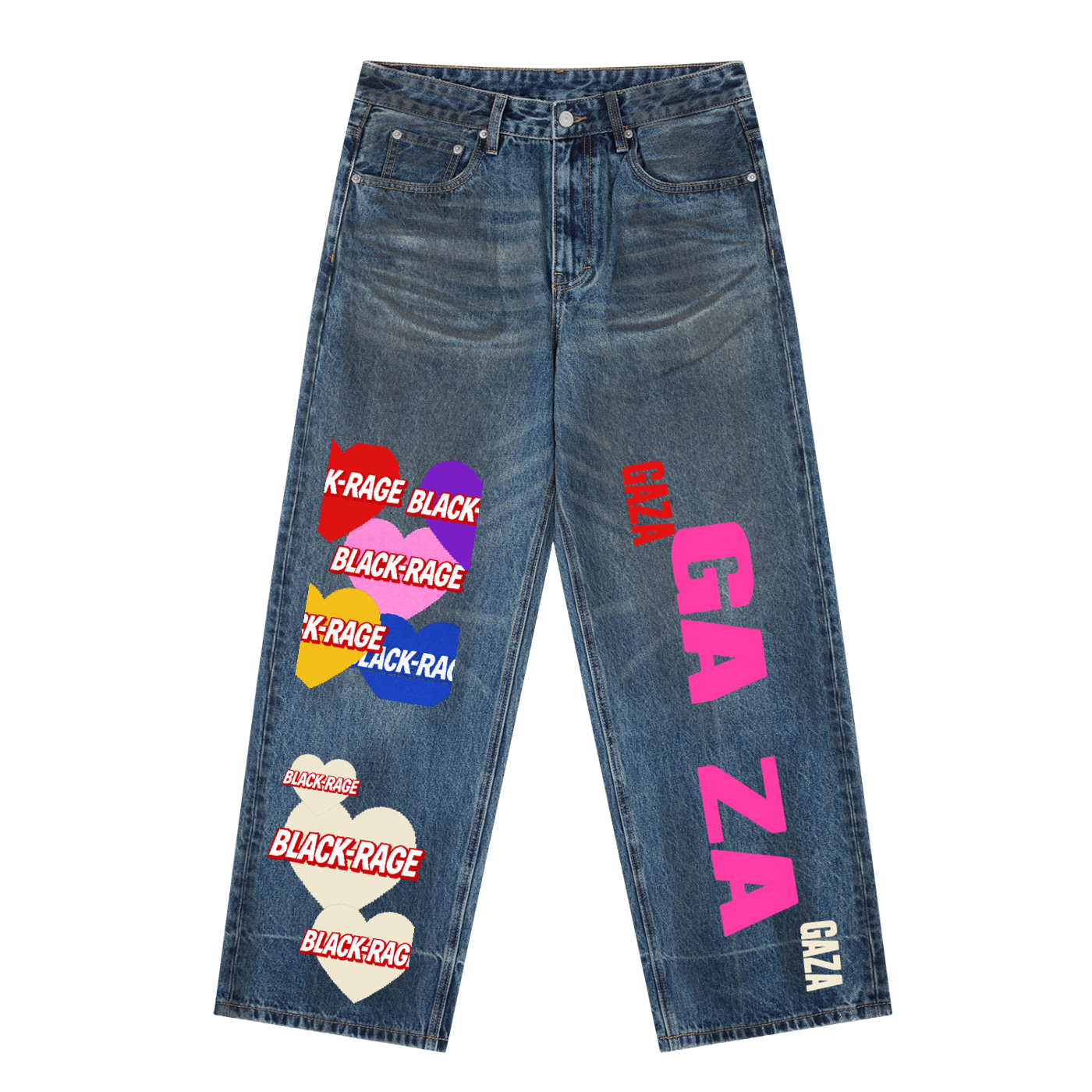
| S | M | L | XL | 2XL | |
| Length | 104 | 105 | 106 | 107 | 108 |
| Waist | 38.5 | 40.5 | 42.5 | 44.5 | 46.5 |
| Hip | 51.5 | 53.5 | 55.5 | 57.5 | 59.5 |
Easter Egg: Lot #2019 references when a 10-year-old Black girl was the victim of a racist assault by two white classmates on a school bus in Gouverneur, New York. The attackers, who were 10 and 11 years old, taunted her with racial slurs, punched her, and slammed her against a window during a 20-minute incident. The young girl assaulted walked away from the attack with a black eye after being punched, hair loss from it being pulled, and a bruised knee.
Gender: Men
Fabric: 90% cotton, 10% viscose
Fabric Weight: 14.7 oz/yd² (500 g/m²)
Fabric Thickness: Moderate
Care Instructions: Machine wash at 30°C (gentle cycle); Do not bleach; Tumble dry low; Iron at low temperature, avoid ironing on print; Do not dry clean
Features: Basics, Casual, Street, Vintage, Daily Casual, School, Holiday, Outdoor, Office, Cotton Blend, Washed, Pocket, Regular, Loose, Mid Waist, Spring, Autumn, Winter
Print Size: 40*52cm
Notes: Minor batch differences can occur during blank garment production due to variations in fabric, dye and processing. This is common in apparel manufacturing, and we work hard to keep every item consistent.Due to the nature of the mud-wash process, slight color variations between batches and a distinct processing scent may occur. These are characteristic features of the artisanal technique and are not considered defects.
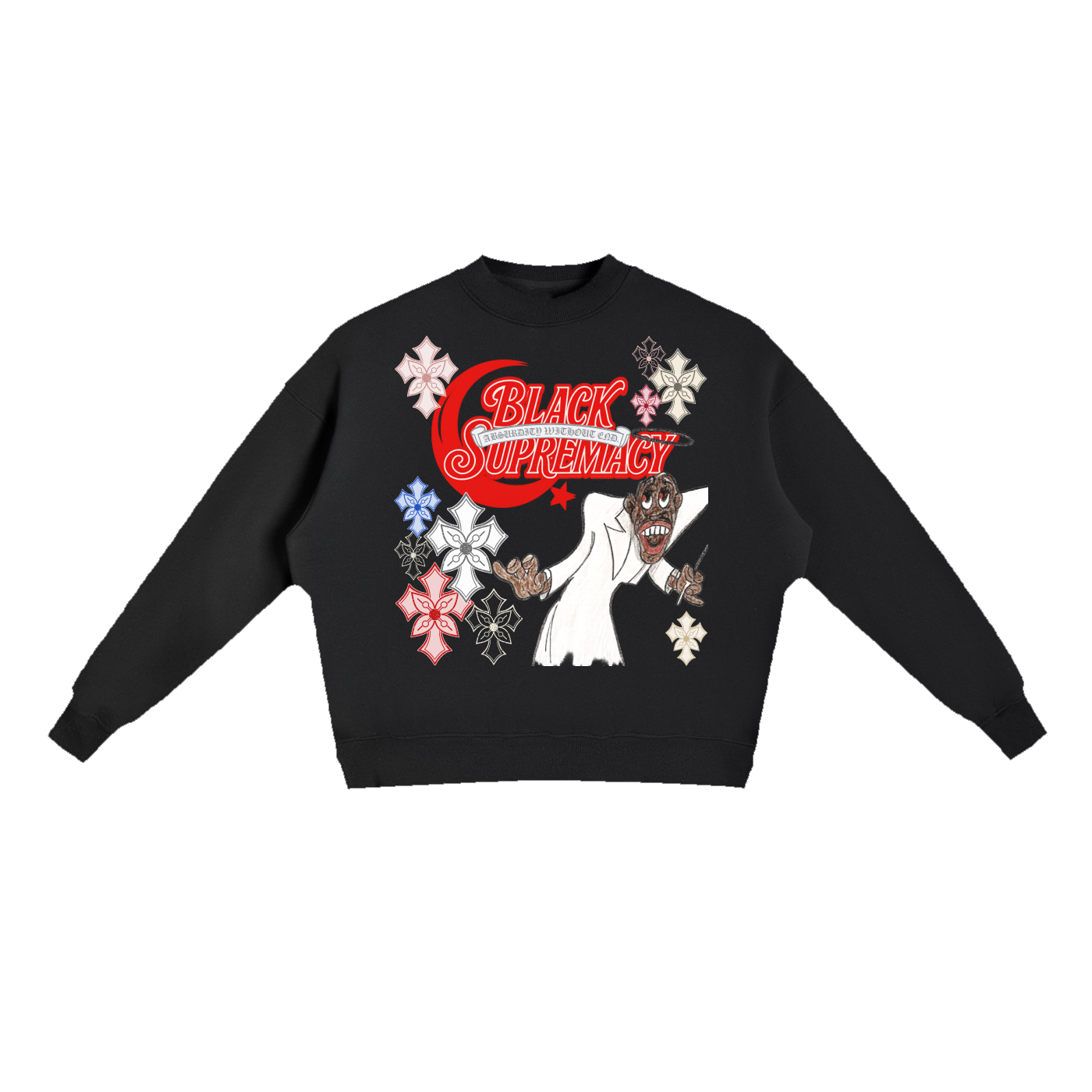
Beginning in 1932, the U.S. Public Health Service observed 600 Black men in Macon County, Alabama—399 with syphilis and 201 controls—without obtaining informed consent. Officials withheld effective treatment even after penicillin became standard. Nurse Eunice Rivers worked with participants; Public Health Service physician Taliaferro Clark designed the initial study. Whistleblower Peter Buxtun’s disclosures led to public exposure in 1972.
Features
- Effects: Slit
- Fit: Oversized
- Neckline: Round Neck / O-Neck
- Sleeve Style: Drop Shoulder
- Sleeve Length: Long Sleeve
- Season: Spring / Autumn
- Style: Basics / Casual
Care Instructions
- Machine wash at 30°C (gentle cycle)
- Do not bleach
- Tumble dry low
- Iron at low temperature, avoid ironing on print
- Do not dry clean
Fabric
- Material: 57.4% polyester, 36.8% cotton, 5.8% other fibers
- Fabric Weight: 350 gsm (10.3 oz)
- Thickness: Thick
- Breathability: Moderate
| M | L | XL | 2XL | |
| Length | 66 | 68 | 70 | 72 |
| Chest | 68 | 70 | 72 | 74 |
| Shoulder | 67 | 69 | 71 | 73 |
| Sleeve length | 55 | 56 | 57 | 58 |
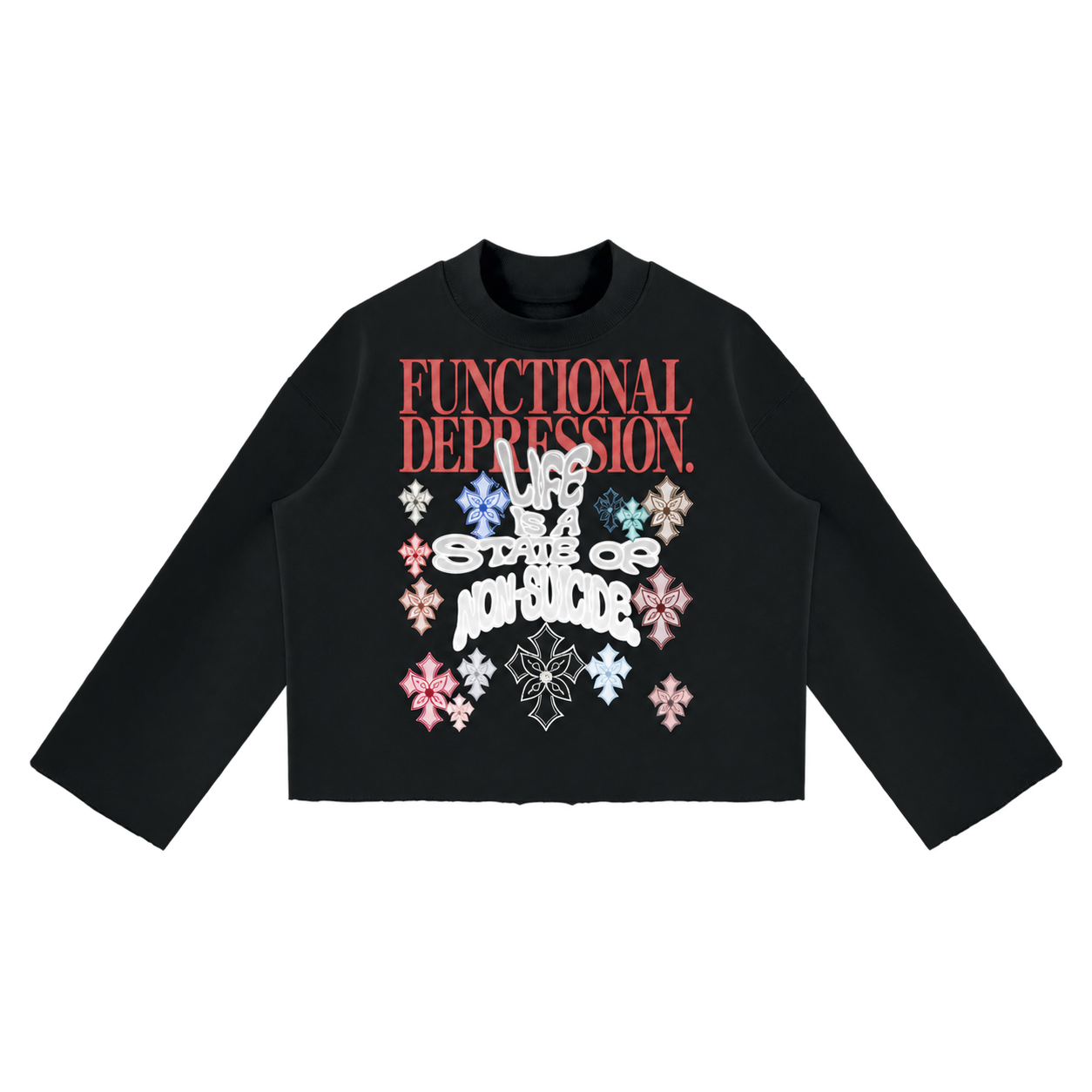
The Violent Crime Control and Law Enforcement Act, signed September 13, 1994, funded prisons and police, expanded the federal death penalty and encouraged punitive state sentencing through prison-construction grants. Its provisions operated within a justice system already marked by racial disparities and helped intensify mass incarceration. The law was sponsored by Senator Joe Biden and signed by President Bill Clinton; responsibility also extended across a large bipartisan congressional majority and state governments.
Features
- Fit: Oversized
- Neckline: Round Neck / O-Neck
- Sleeve Style: Drop Shoulder
- Sleeve Length: Long Sleeve
- Season: Spring / Autumn
- Style: Basics / Casual / Preppy / Sporty / Street
Care Instructions
- Machine wash at 30°C (gentle cycle)
- Do not bleach
- Tumble dry low
- Iron at low temperature, avoid ironing on print
- Do not dry clean
Fabric
- Material: 88% cotton, 12% polyester
- Fabric Weight: 350 gsm (10.3 oz)
- Thickness: Thick
- Breathability: Moderate
SMLXLLength64666870Chest66687072Shoulder58606264Sleeve length60616263
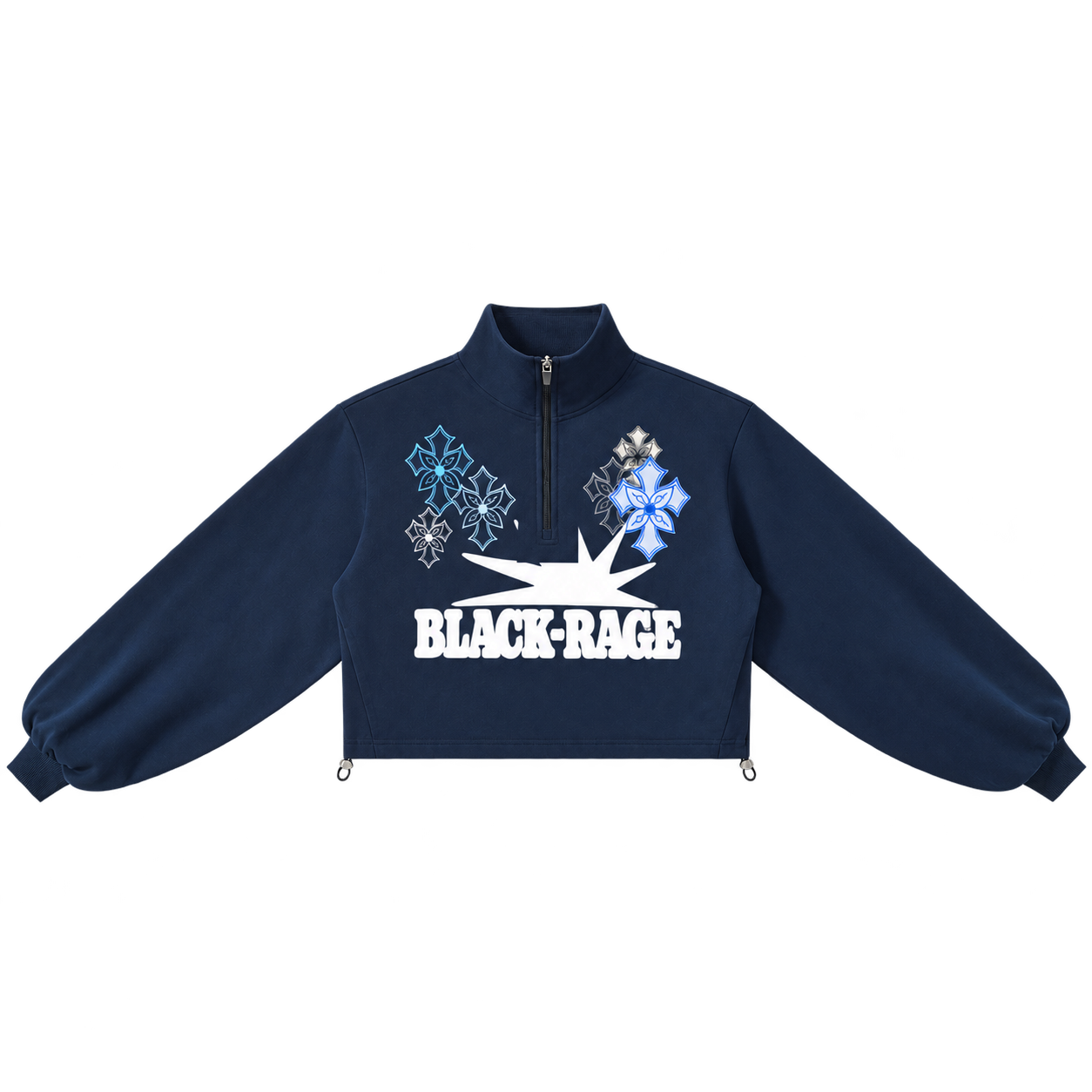
From September 22–24, 1906, white mobs attacked Black residents and businesses in Atlanta after newspapers published sensational and often false allegations of assaults on white women. At least 25 Black people were killed, and some estimates are higher. Black communities organized armed defense while police frequently arrested Black residents rather than attackers.
Features
- Effects: Zipper
- Fit: Loose
- Neckline: Stand Collar
- Sleeve Style: Regular Sleeve
- Sleeve Length: Long Sleeve
- Season: Spring / Summer / Autumn
- Style: Basics / Casual / Preppy
Care Instructions
- Machine wash at 30°C (gentle cycle)
- Do not bleach
- Tumble dry low
- Iron at low temperature, avoid ironing on print
- Do not dry clean
Fabric
- Material: 56.44% cotton, 43.56% polyester
- Fabric Weight: 420 gsm (12.4 oz)
- Thickness: Thick
- Breathability: Moderate
| S | M | L | XL | |
| Length | 47.5 | 49 | 50.5 | 52 |
| Chest | 50 | 52 | 54 | 56 |
| Shoulder | 44.5 | 46 | 47.5 | 49 |
| Sleeve length | 59 | 60 | 61 | 62 |
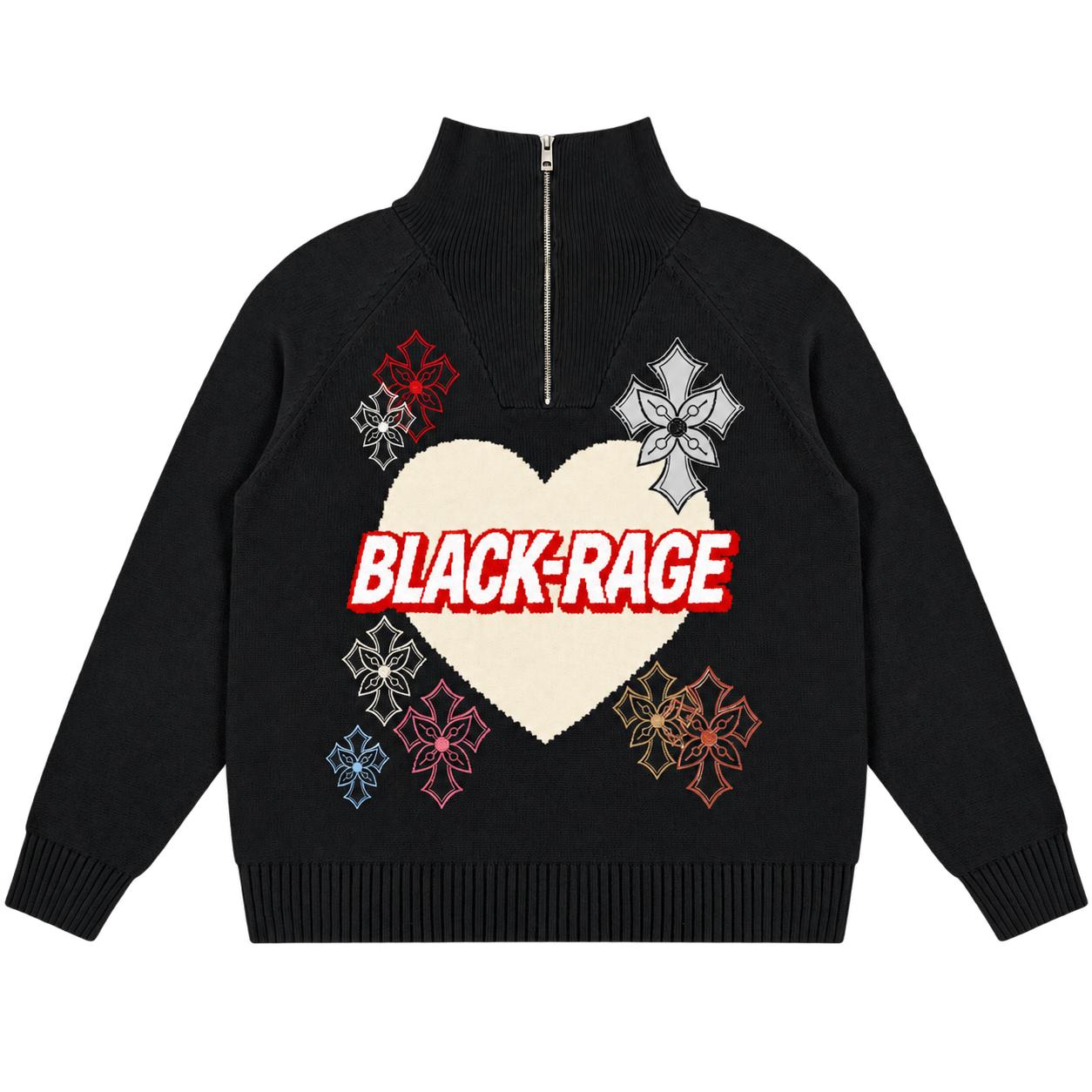
The Natives Land Act took effect on June 19, 1913, restricting African land ownership and tenancy to designated reserves comprising only a small fraction of South Africa. It dispossessed Black farmers, strengthened white land control and forced Africans into wage labor. Sol Plaatje documented its immediate devastation.
Features
- Effects: Zipper
- Fit: Loose
- Neckline: Stand Collar
- Sleeve Style: Raglan Sleeve
- Sleeve Length: Long Sleeve
- Season: Spring / Autumn
- Style: Basics / Casual / Preppy / Street / Vintage
Care Instructions
- Machine wash at 30°C (gentle cycle)
- Do not bleach
- Tumble dry low
- Iron at low temperature, avoid ironing on print
- Do not dry clean
Fabric
- Material: 100% cotton
- Fabric Weight: 750 gsm (22.1 oz)
- Thickness: Thick
- Breathability: Moderate
| S | M | L | XL | 2XL | |
| Length | 64 | 66 | 68 | 70 | 72 |
| Chest | 54 | 56 | 58 | 60 | 62 |
| Sleeve length | 73 | 74 | 75 | 76 | 77 |
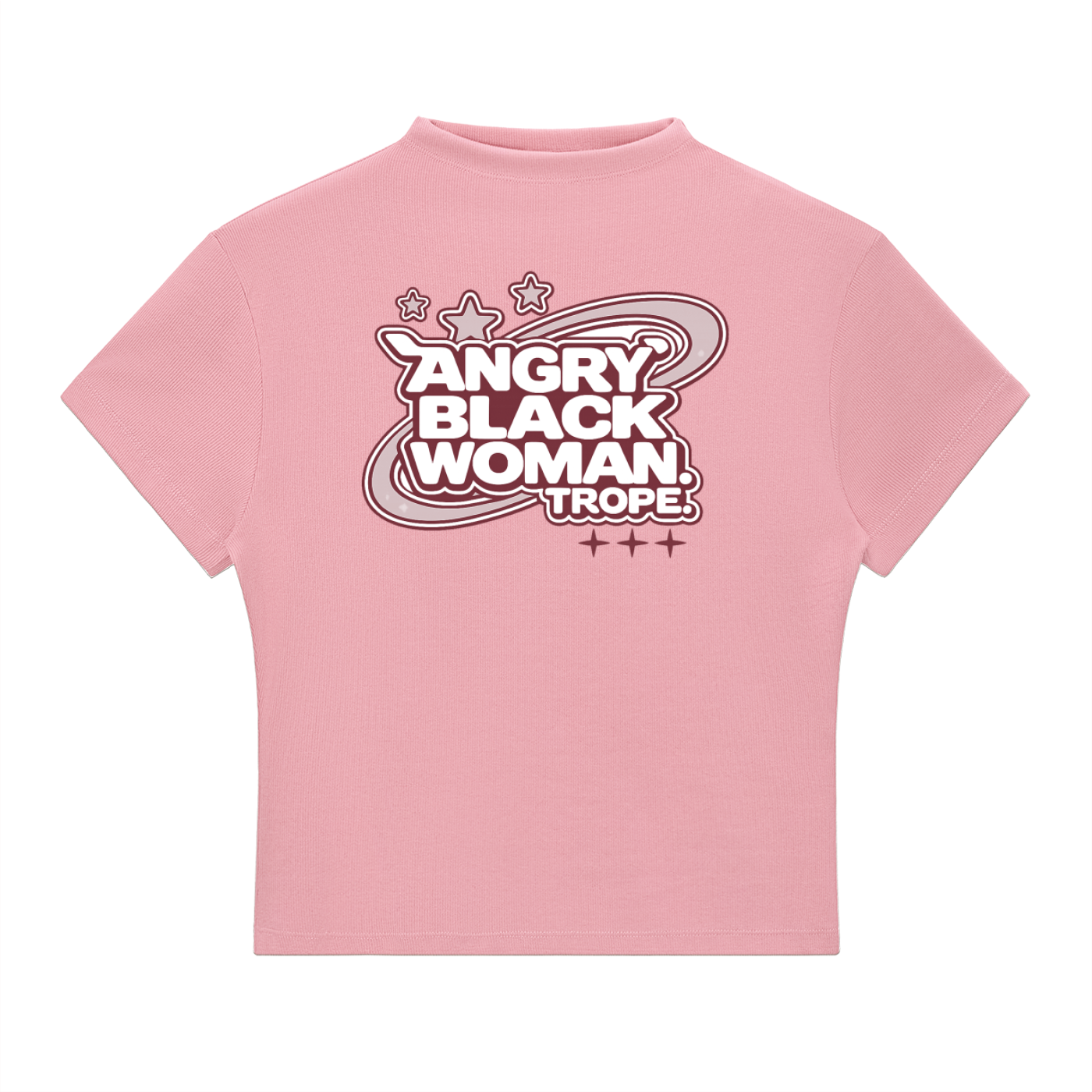
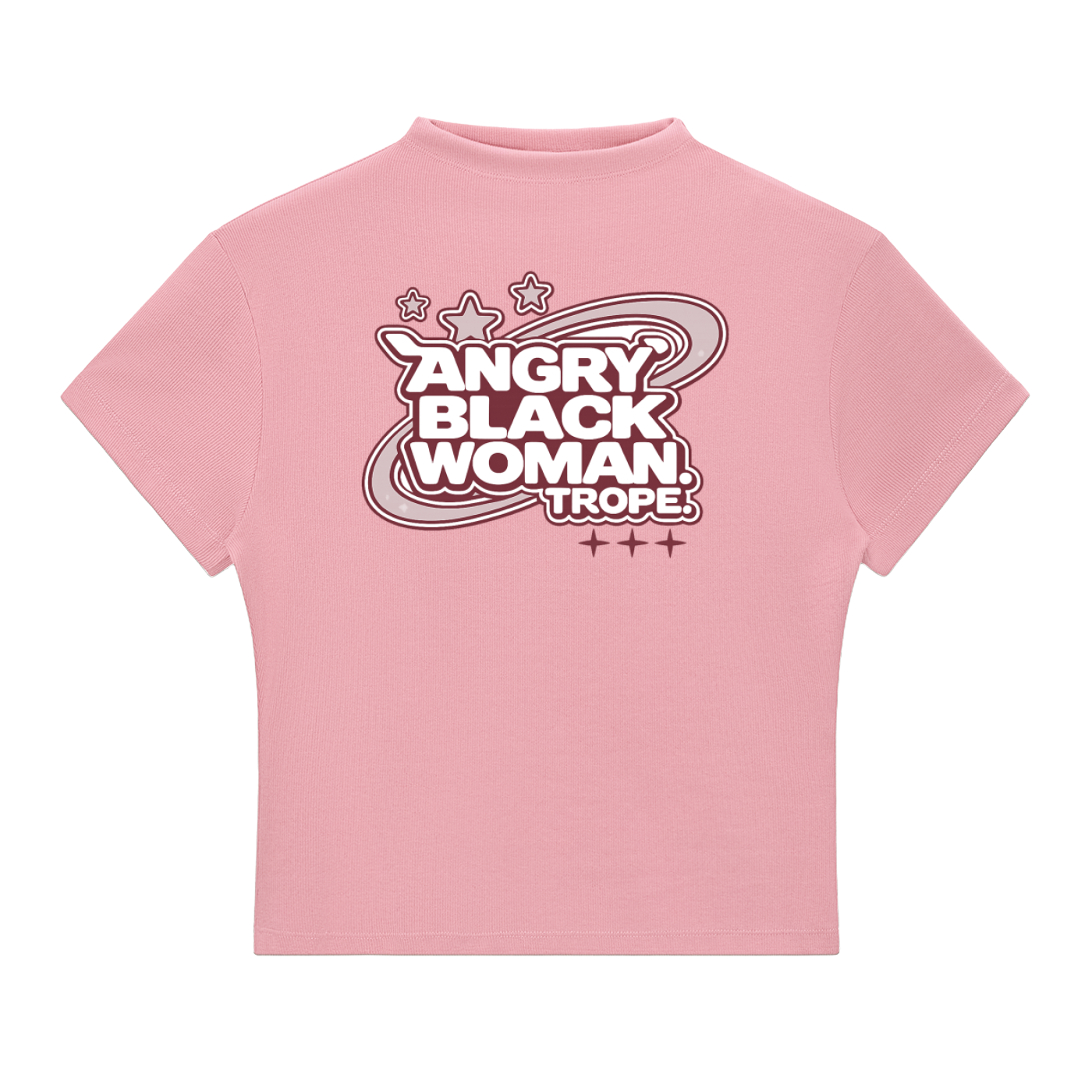
| S | M | L | XL | |
| Length | 48.5 | 50 | 51.5 | 53 |
| Shoulder | 35.5 | 37 | 38.5 | 40 |
| Chest | 40.5 | 42.5 | 44.5 | 46.5 |
| Sleeve length | 13 | 14 | 15 | 16 |
Easter Egg: The 16th Street Baptist Church bombing was a terrorist attack on September 15, 1963, in Birmingham, Alabama, where Ku Klux Klan members planted a bomb that killed four young Black girls—Addie Mae Collins, Denise McNair, Carole Robertson, and Cynthia Wesley—and injured 17 others. The bombing, which occurred during Sunday school, was a pivotal event that galvanized the Civil Rights Movement and brought national and international attention to the racial violence in Birmingham. Four KKK members were eventually convicted for the crime decades later.
Gender: Women
Fabric: 47.1% cotton, 47.1% viscose, 5.8% spandex
Fabric Weight: 7.7 oz/yd² (260 g/m²)
Fabric Thickness: Thin
Care Instructions: Machine wash at 30°C (gentle cycle); Do not bleach; Tumble dry low; Iron at low temperature, avoid ironing on print; Do not dry clean
Features: Basics, Casual, Elegant, Daily Casual, Holiday, Outdoor, Sport, Cotton Blend, Spandex, Short Sleeve, Regular Sleeve, Round Neck / O-Neck, Crop, Bodycon, Spring, Summer
Print Size: 40*52cm
Notes: Minor batch differences can occur during blank garment production due to variations in fabric, dye and processing. This is common in apparel manufacturing, and we work hard to keep every item consistent.
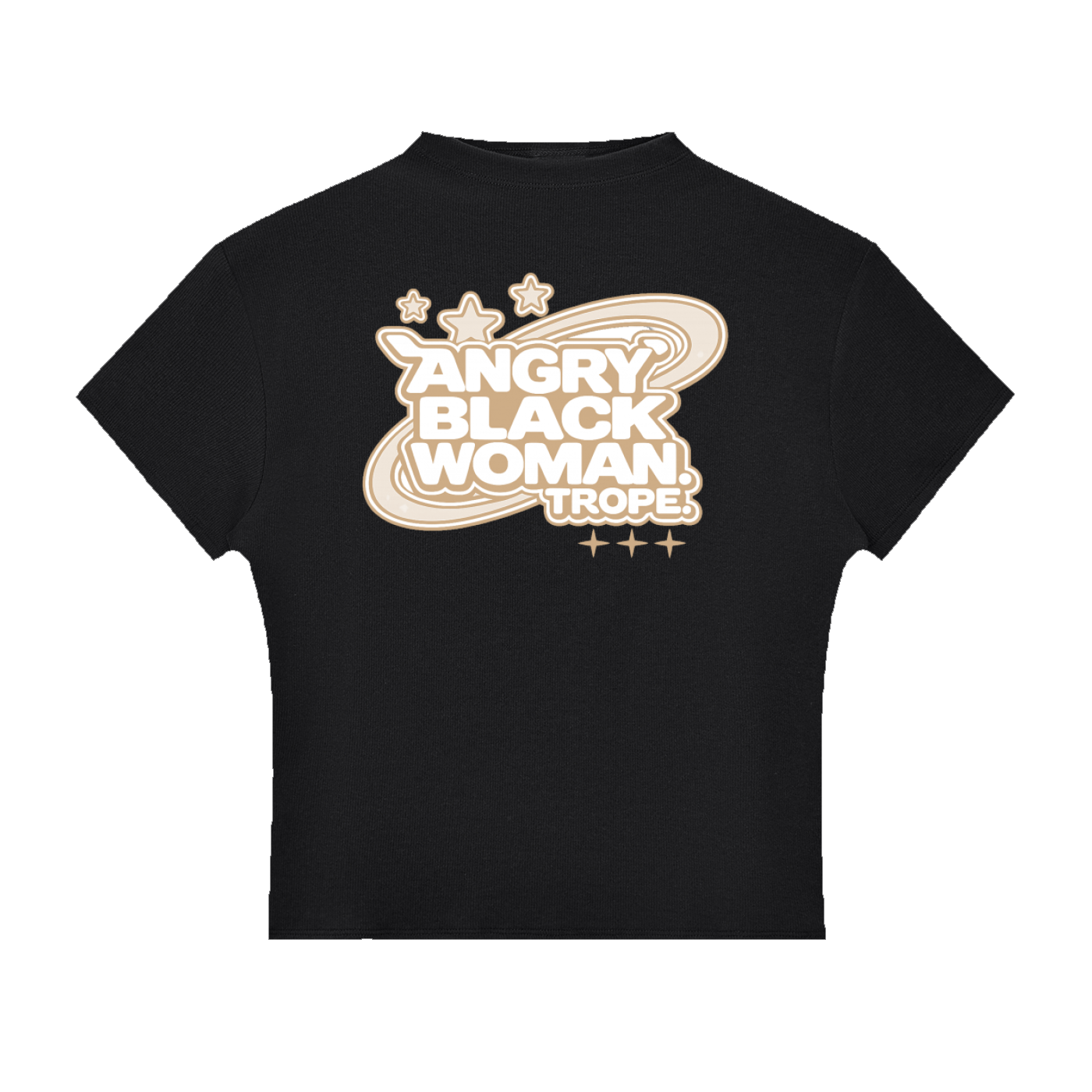
Virginia enacted "partus sequitur ventrem", declaring that a child’s status followed the condition of the mother. Children born to enslaved women were therefore enslaved regardless of the father’s identity, allowing white enslavers to profit from births produced through coercion and sexual violence. The statute converted Black women’s reproductive capacity into inheritable property.
Features
- Fit: Bodycon
- Neckline: Round Neck / O-Neck
- Sleeve Style: Regular Sleeve
- Sleeve Length: Short Sleeve
- Season: Spring / Summer
- Style: Basics / Casual / Elegant
Care Instructions
- Machine wash at 30°C (gentle cycle)
- Do not bleach
- Tumble dry low
- Iron at low temperature, avoid ironing on print
- Do not dry clean
Fabric
- Material: 47.1% cotton, 47.1% viscose, 5.8% spandex
- Fabric Weight: 260 gsm (7.7 oz)
- Thickness: Thin
- Breathability: Moderate
| S | M | L | XL | |
| Length | 48.5 | 50 | 51.5 | 53 |
| Shoulder | 35.5 | 37 | 38.5 | 40 |
| Chest | 40.5 | 42.5 | 44.5 | 46.5 |
| Sleeve length | 13 | 14 | 15 | 16 |
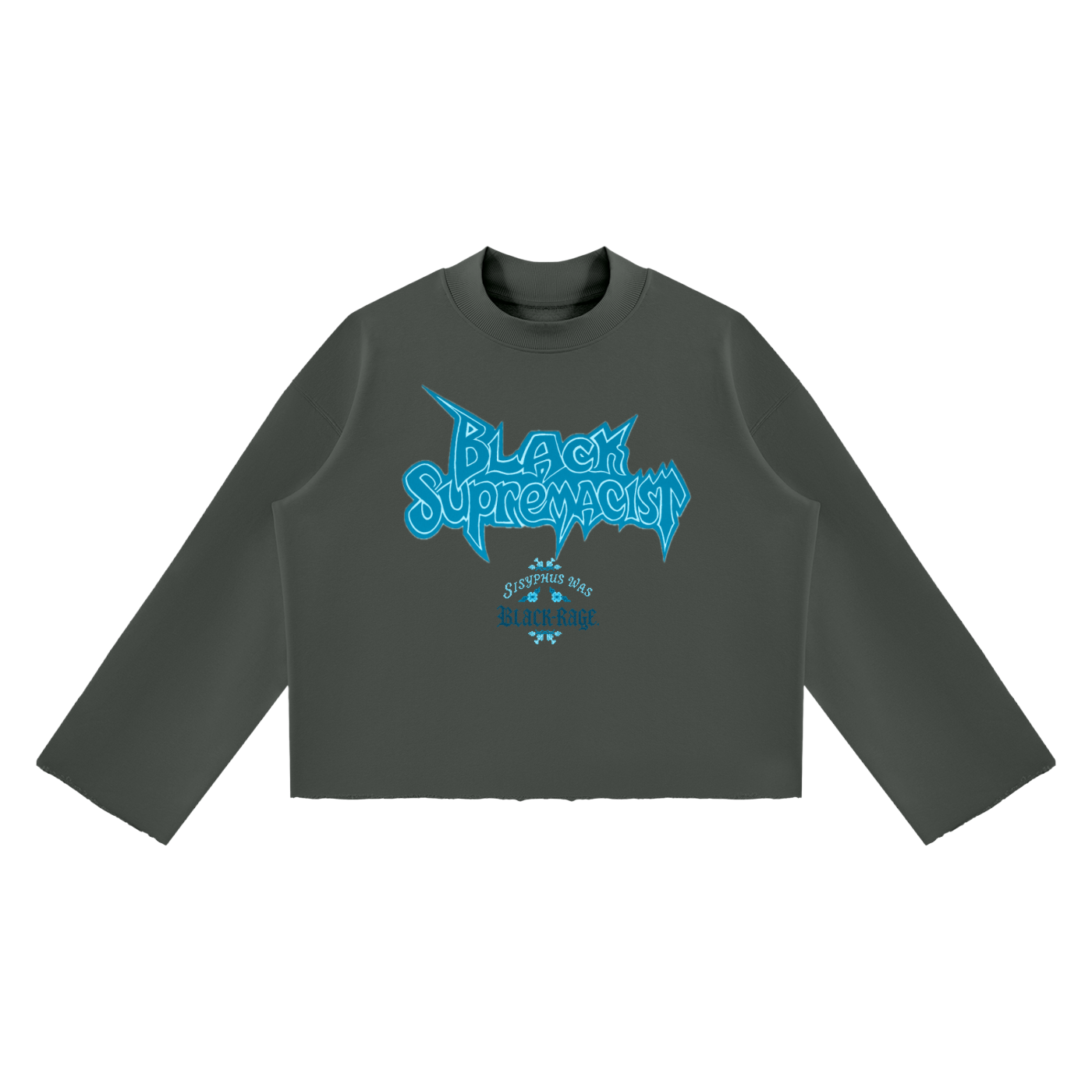
Easter Egg: Lot #1619 references how Africans were first brought to an English colony in North America in late August 1619 when the English privateer ship White Lion arrived at Point Comfort, Virginia, with ""20 and odd"" captive Africans. These individuals, originally captured by English privateers from a Spanish slave ship in the Atlantic, were then traded by the English colonists for food and supplies. Their arrival marked the beginning of the history of race-based bondage in the mainland colonies of English North America.
Item Number: UT0195
Gender: Unisex
Fabric: 88% cotton, 12% polyester
Fabric Weight: 10.3 oz/yd² (350 g/m²)
Fabric Thickness: Thick
Care Instructions: Machine wash at 30°C (gentle cycle); Do not bleach; Tumble dry low; Iron at low temperature, avoid ironing on print; Do not dry clean
Features: Basics, Casual, Preppy, Sporty, Street, Daily Casual, Holiday, Outdoor, School, Sport, Office, Cotton Blend, Long Sleeve, Drop Shoulder, Round Neck / O-Neck, Regular, Oversized, Spring, Autumn
Print Size: 40*52cm
Notes: Minor batch differences can occur during blank garment production due to variations in fabric, dye and processing. This is common in apparel manufacturing, and we work hard to keep every item consistent.
| S | M | L | XL | |
| Length | 64 | 66 | 68 | 70 |
| Chest | 66 | 68 | 70 | 72 |
| Shoulder | 58 | 60 | 62 | 64 |
| Sleeve length | 60 | 61 | 62 | 63 |
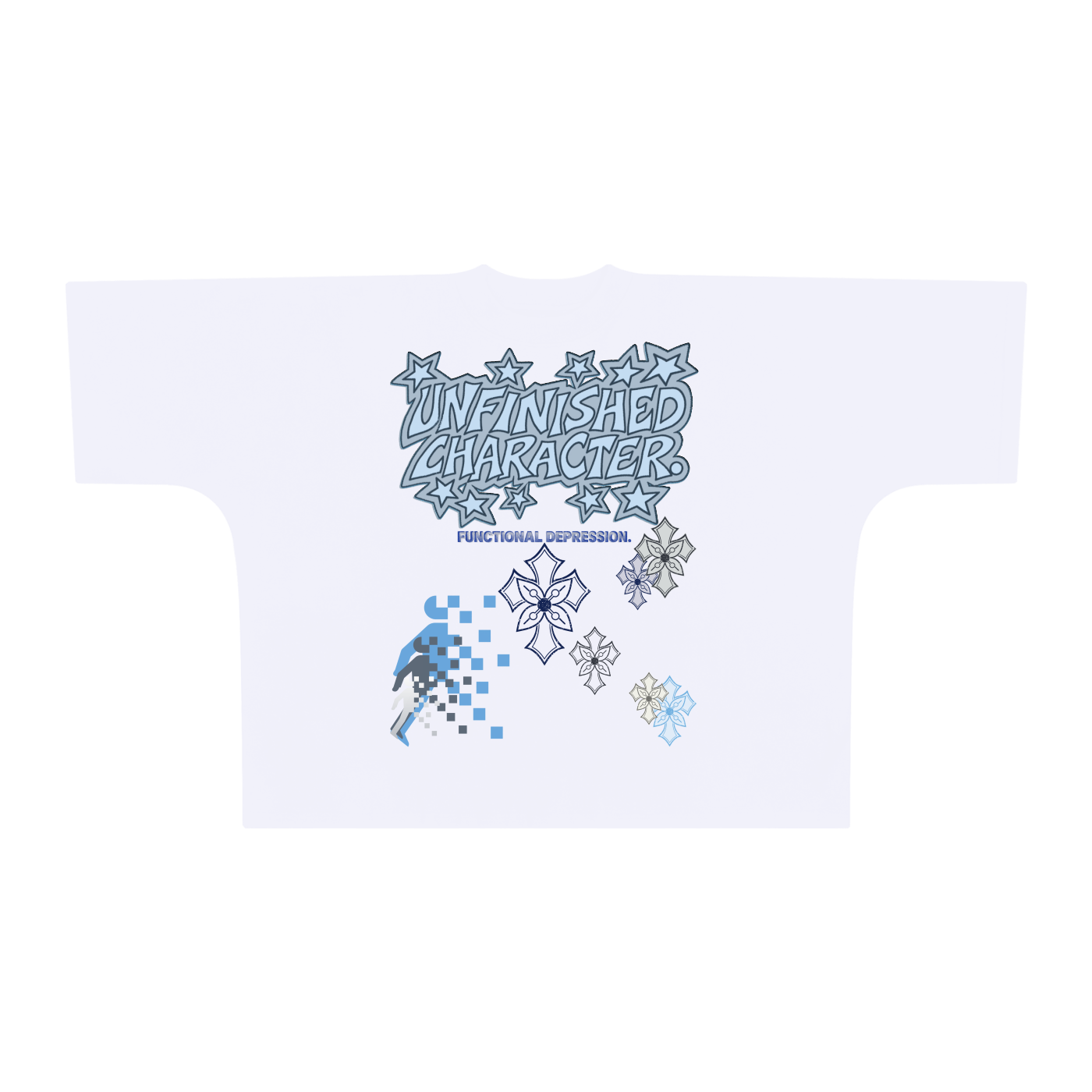
On May 19, 1918, a white mob in Lowndes County, Georgia, murdered Mary Turner after she protested the lynching of her husband, Hayes Turner, and threatened legal action. Mary was approximately eight months pregnant. The mob hanged her, burned and shot her body, and killed her unborn child. No participant was convicted.
Features
- Fit: Oversized
- Neckline: Round Neck / O-Neck
- Sleeve Style: Drop Shoulder
- Sleeve Length: Half Sleeve
- Season: Spring / Summer / Autumn / Winter
- Style: Basics / Street / Casual
Care Instructions
- Machine wash at 30°C (gentle cycle)
- Do not bleach
- Tumble dry low
- Iron at low temperature, avoid ironing on print
- Do not dry clean
Fabric
- Material: 100% cotton
- Fabric Weight: 300 gsm (8.8 oz)
- Thickness: Thick
| XS | S | M | L | XL | 2XL | |
| Length | 64 | 66 | 68 | 70 | 72 | 74 |
| Chest | 71 | 73 | 76 | 80 | 85 | 90 |
| Sleeve Length | 45 | 46 | 47 | 48 | 49 | 50 |
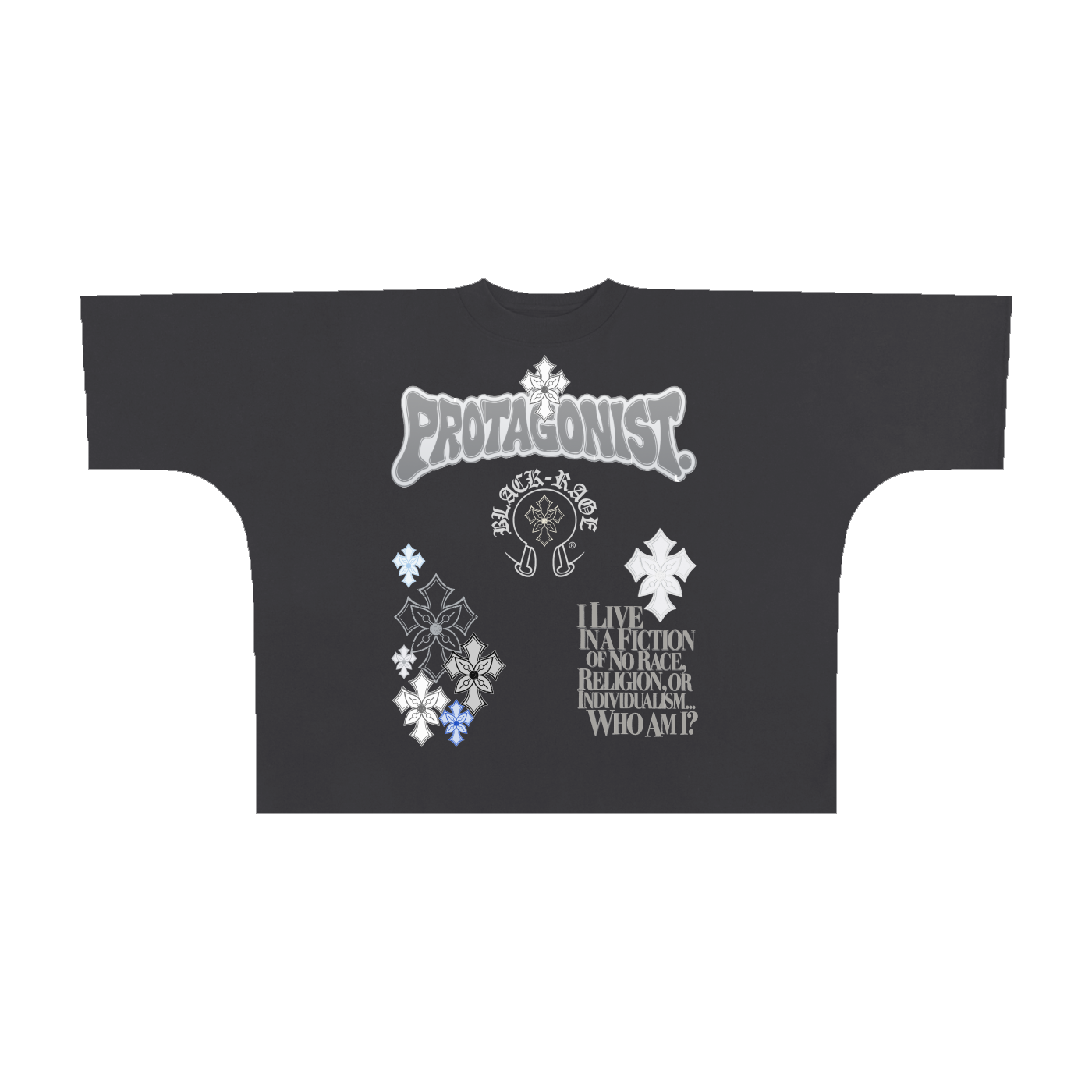
On July 2–3, 1917, white workers and mobs attacked Black residents of East St. Louis, Illinois, amid labor competition and racist agitation. The official death count was 39 Black people and nine white people, but witnesses estimated that as many as 100 or more Black residents were killed. Thousands were displaced and large sections of Black neighborhoods burned.
Features
- Fit: Oversized
- Neckline: Round Neck / O-Neck
- Sleeve Style: Drop Shoulder
- Sleeve Length: Half Sleeve
- Season: Spring / Summer / Autumn / Winter
- Style: Basics / Street / Casual
Care Instructions
- Machine wash at 30°C (gentle cycle)
- Do not bleach
- Tumble dry low
- Iron at low temperature, avoid ironing on print
- Do not dry clean
Fabric
- Material: 100% cotton
- Fabric Weight: 300 gsm (8.8 oz)
- Thickness: Thick
| XS | S | M | L | XL | 2XL | |
| Length | 64 | 66 | 68 | 70 | 72 | 74 |
| Chest | 71 | 73 | 76 | 80 | 85 | 90 |
| Sleeve Length | 45 | 46 | 47 | 48 | 49 | 50 |
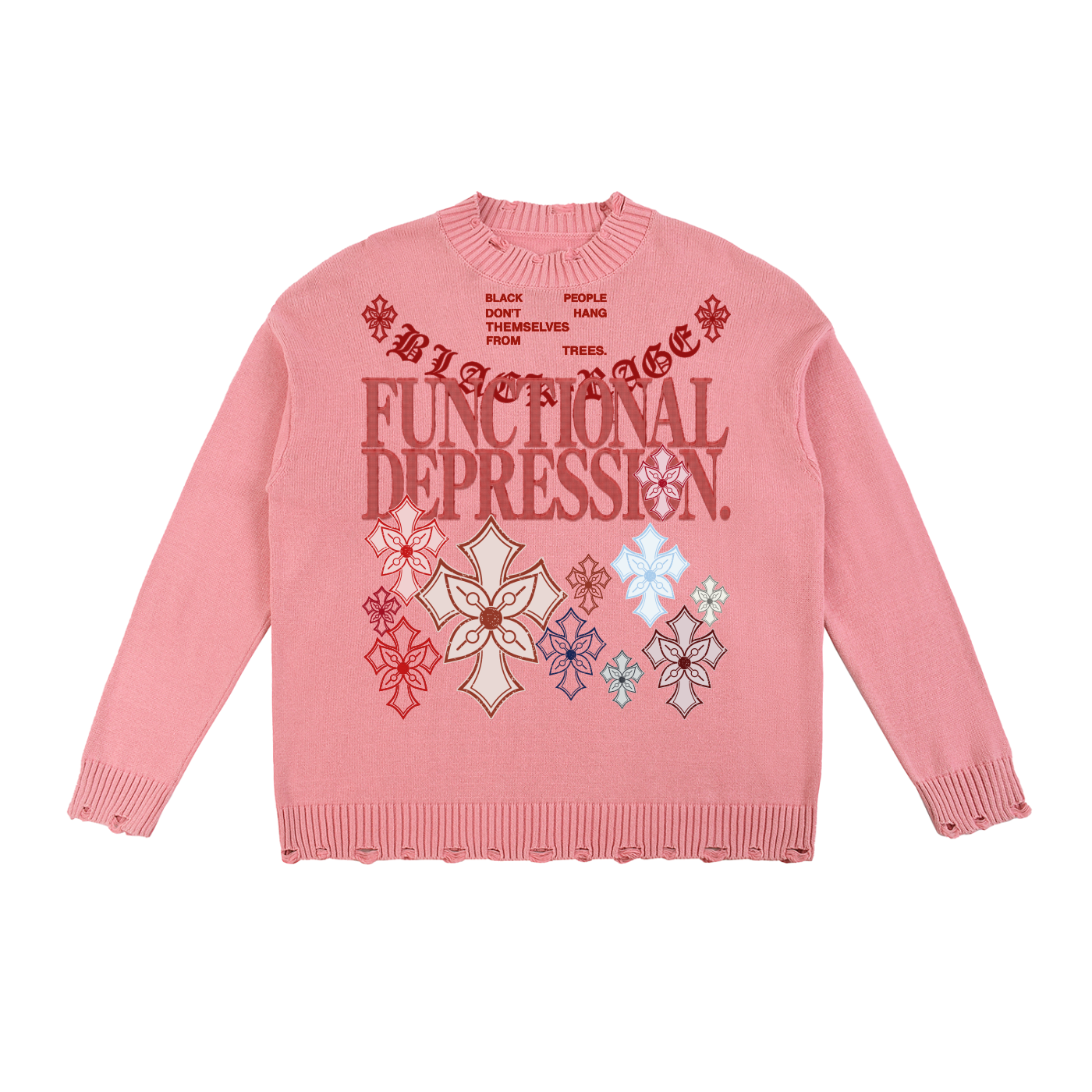
U.S. Marines occupied Haiti beginning July 28, 1915. American officials rewrote financial and constitutional arrangements, imposed forced road labor and used violence against rural resistance. Cacos leader Charlemagne Péralte was killed in 1919, and U.S. forces displayed a photograph of his corpse to intimidate Haitians. Thousands died during resistance and repression.
Features
- Effects: Washed
- Fit: Oversized
- Neckline: Round Neck / O-Neck
- Sleeve Style: Raglan Sleeve
- Sleeve Length: Long Sleeve
- Season: Spring / Autumn / Winter
- Style: Basics / Casual / Preppy / Street / Vintage
Care Instructions
- Machine wash at 30°C (gentle cycle)
- Do not bleach
- Tumble dry low
- Iron at low temperature, avoid ironing on print
- Do not dry clean
Fabric
- Material: 100% cotton
- Fabric Weight: 425 gsm (12.5 oz)
- Thickness: Moderate
- Breathability: Moderate
| S | M | L | XL | 2XL | |
| Length | 68 | 70 | 72 | 74 | 76 |
| Chest | 60 | 62 | 65 | 67 | 69 |
| Shoulder | 60 | 62 | 64 | 66 | 68 |
| Sleeve length | 52 | 53 | 54 | 55 | 56 |
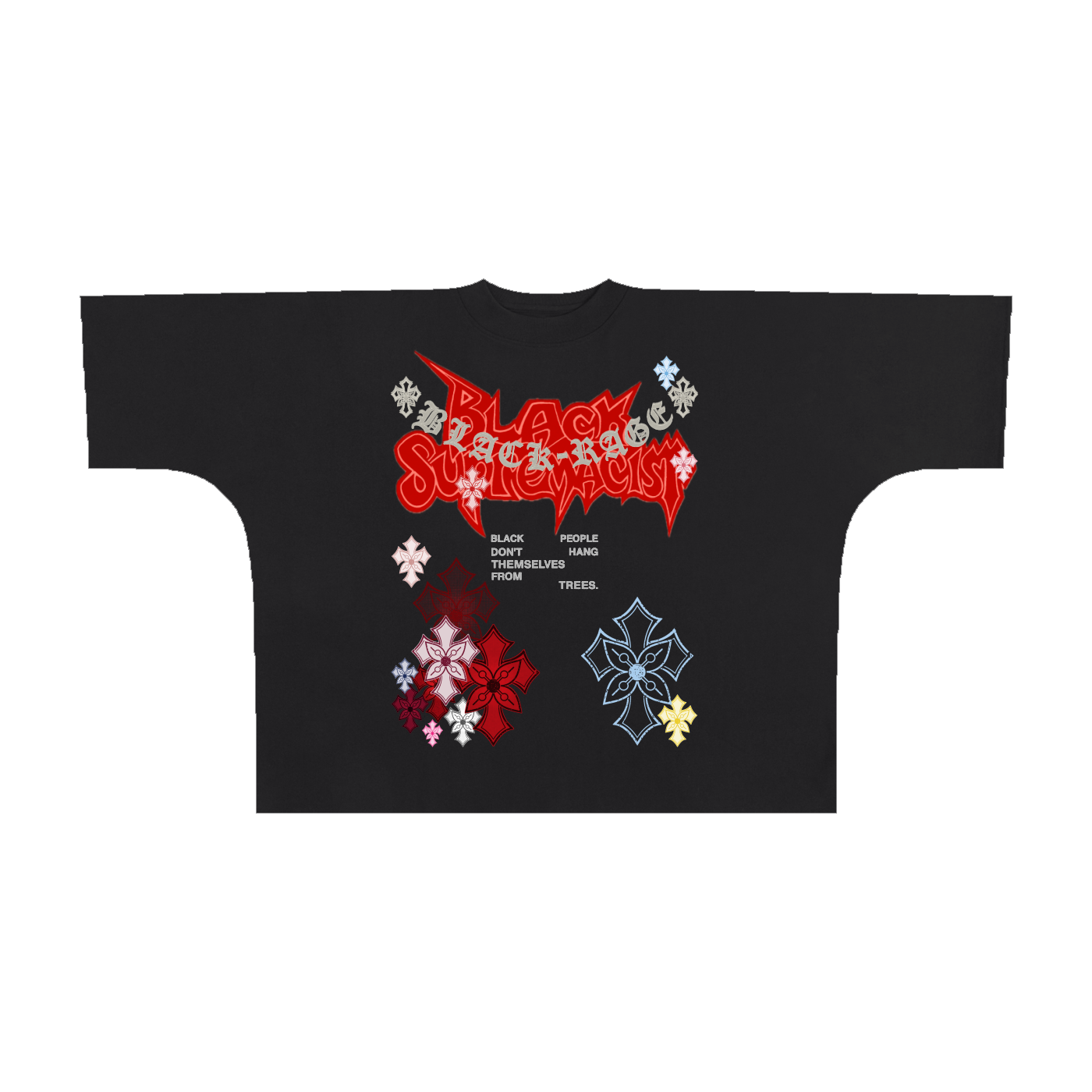
D. W. Griffith’s film premiered in 1915, portraying Black men as threats and the Reconstruction-era Klan as heroic. President Woodrow Wilson screened it at the White House. The film’s mass popularity helped normalize racist propaganda and accompanied William Joseph Simmons’s founding of a revived Ku Klux Klan at Stone Mountain, Georgia, on November 25.
Features
- Fit: Oversized
- Neckline: Round Neck / O-Neck
- Sleeve Style: Drop Shoulder
- Sleeve Length: Half Sleeve
- Season: Spring / Summer / Autumn / Winter
- Style: Basics / Street / Casual
Care Instructions
- Machine wash at 30°C (gentle cycle)
- Do not bleach
- Tumble dry low
- Iron at low temperature, avoid ironing on print
- Do not dry clean
Fabric
- Material: 100% cotton
- Fabric Weight: 300 gsm (8.8 oz)
- Thickness: Thick
| XS | S | M | L | XL | 2XL | |
| Length | 64 | 66 | 68 | 70 | 72 | 74 |
| Chest | 71 | 73 | 76 | 80 | 85 | 90 |
| Sleeve Length | 45 | 46 | 47 | 48 | 49 | 50 |
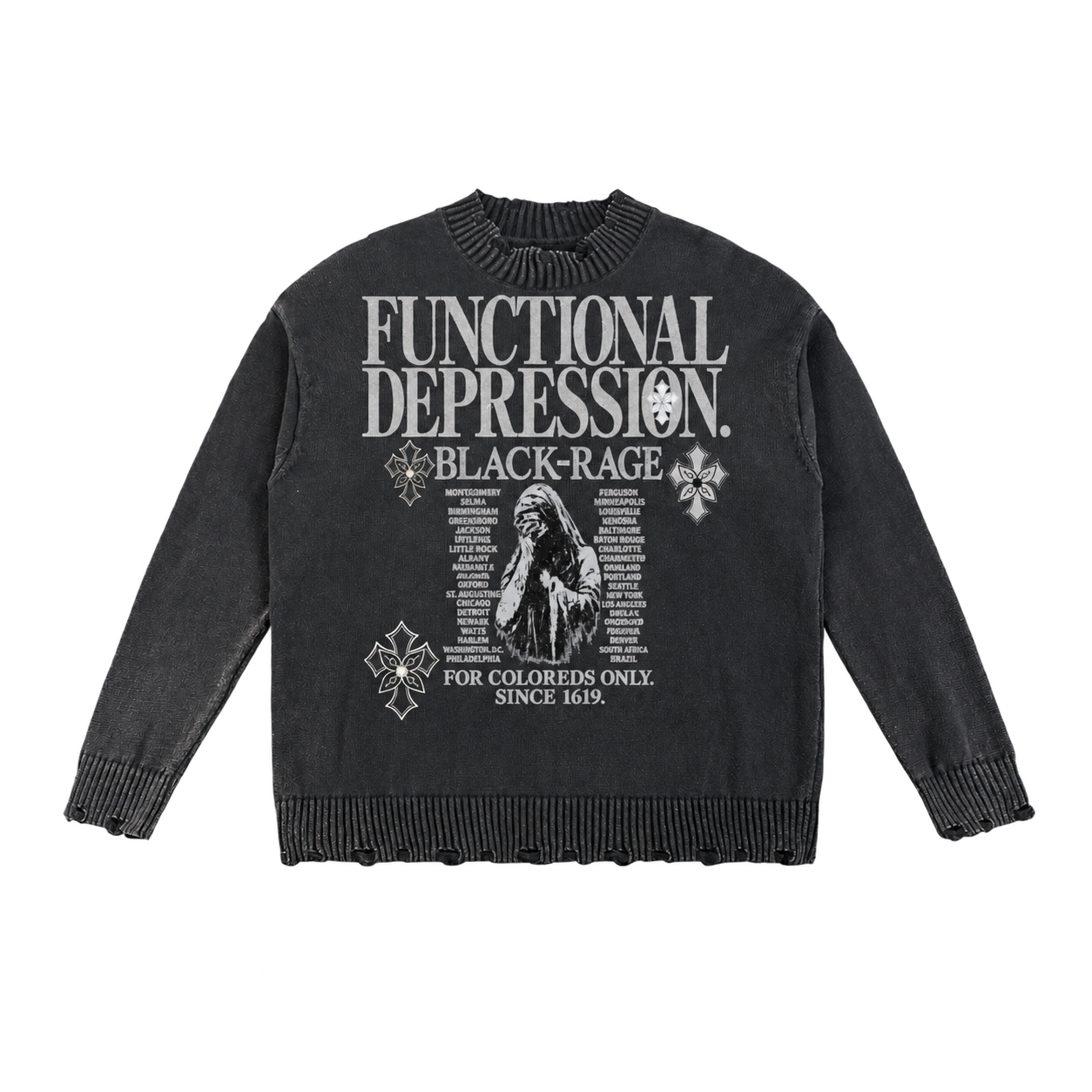
In May 1912, members of the Partido Independiente de Color protested a law banning their Black political party. Cuban government forces and white militias killed thousands of Afro-Cubans, especially in Oriente; estimates commonly range from 3,000 to 6,000. Party leaders Evaristo Estenoz and Pedro Ivonet were killed. U.S. forces landed during the crisis but did not protect the movement.
Features
- Effects: Washed
- Fit: Oversized
- Neckline: Round Neck / O-Neck
- Sleeve Style: Raglan Sleeve
- Sleeve Length: Long Sleeve
- Season: Spring / Autumn / Winter
- Style: Basics / Casual / Preppy / Street / Vintage
Care Instructions
- Machine wash at 30°C (gentle cycle)
- Do not bleach
- Tumble dry low
- Iron at low temperature, avoid ironing on print
- Do not dry clean
Fabric
- Material: 100% cotton
- Fabric Weight: 425 gsm (12.5 oz)
- Thickness: Moderate
- Breathability: Moderate
| S | M | L | XL | 2XL | |
| Length | 68 | 70 | 72 | 74 | 76 |
| Chest | 60 | 62 | 65 | 67 | 69 |
| Shoulder | 60 | 62 | 64 | 66 | 68 |
| Sleeve length | 52 | 53 | 54 | 55 | 56 |
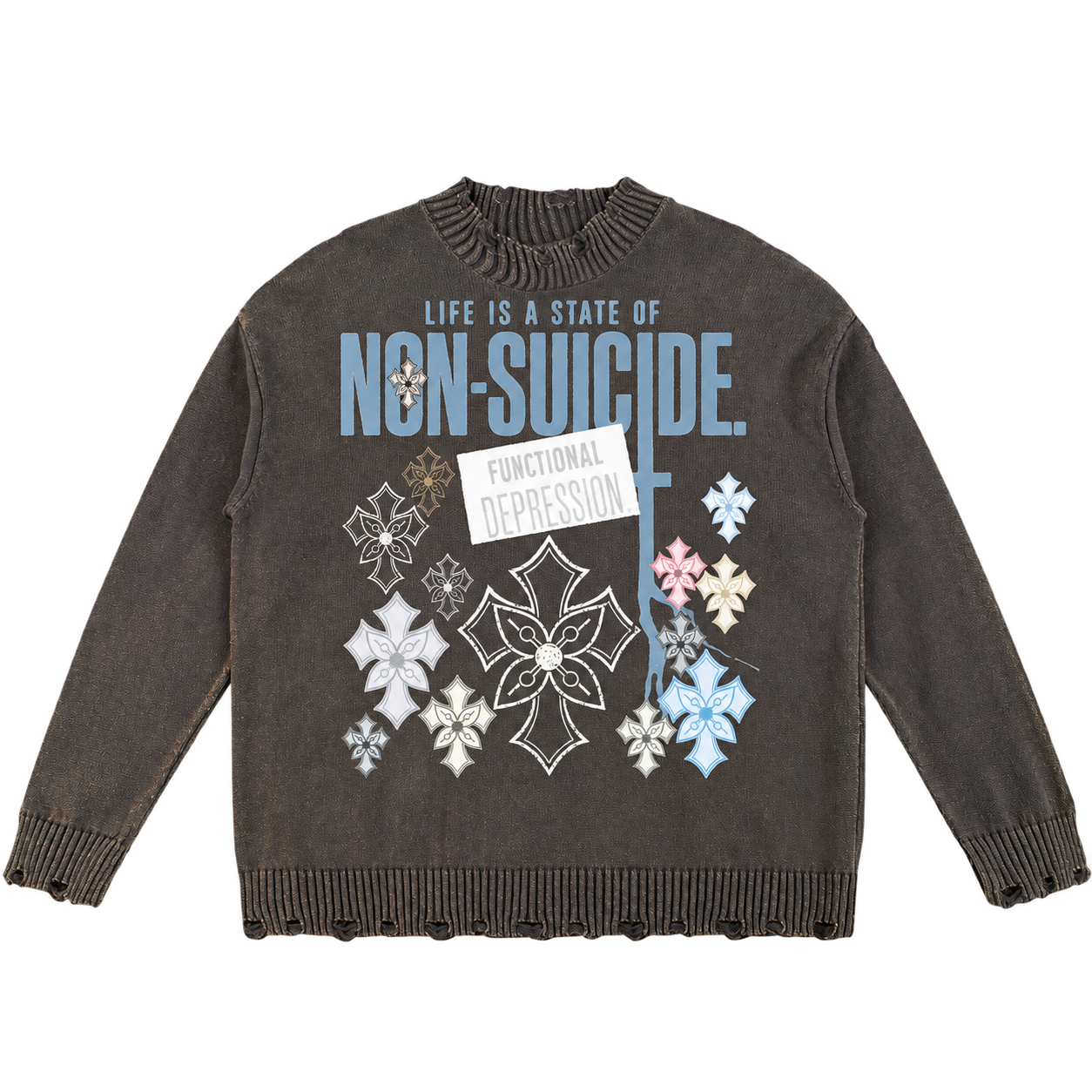
On August 12, 1911, Prime Minister Wilfrid Laurier’s government approved an order-in-council barring for one year “any immigrant belonging to the Negro race,” described as unsuitable to Canada’s climate and requirements. The order was not formally invoked, but officials used medical, financial and administrative obstacles to deter Black settlers from the United States and Caribbean.
Features
- Effects: Washed
- Fit: Oversized
- Neckline: Round Neck / O-Neck
- Sleeve Style: Raglan Sleeve
- Sleeve Length: Long Sleeve
- Season: Spring / Autumn / Winter
- Style: Basics / Casual / Preppy / Street / Vintage
Care Instructions
- Machine wash at 30°C (gentle cycle)
- Do not bleach
- Tumble dry low
- Iron at low temperature, avoid ironing on print
- Do not dry clean
Fabric
- Material: 100% cotton
- Fabric Weight: 425 gsm (12.5 oz)
- Thickness: Moderate
- Breathability: Moderate
| S | M | L | XL | 2XL | |
| Length | 68 | 70 | 72 | 74 | 76 |
| Chest | 60 | 62 | 65 | 67 | 69 |
| Shoulder | 60 | 62 | 64 | 66 | 68 |
| Sleeve length | 52 | 53 | 54 | 55 | 56 |
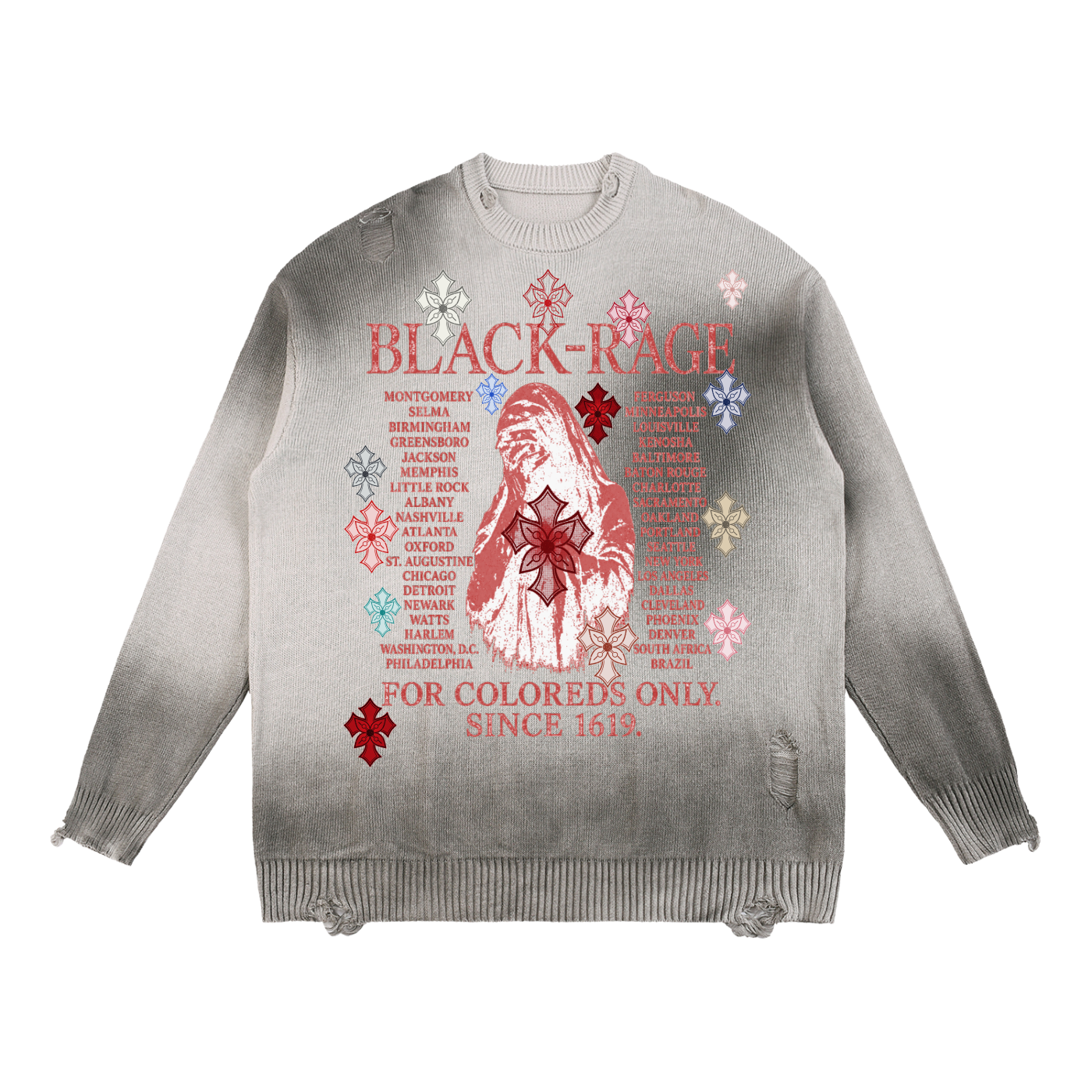
On July 29–30, 1910, white mobs in and around Slocum, Texas, killed Black residents after rumors of an armed racial conflict. Eight deaths were officially recorded, but witnesses and descendants reported many more. Black families fled and lost land; no white attacker was convicted.
Features
- Effects: Washed / Ripped
- Fit: Oversized
- Neckline: Round Neck / O-Neck
- Sleeve Style: Drop Shoulder
- Sleeve Length: Long Sleeve
- Season: Spring / Autumn / Winter
- Style: Casual / Preppy / Street / Vintage
Care Instructions
- Machine wash at 30°C (gentle cycle)
- Do not bleach
- Tumble dry low
- Iron at low temperature, avoid ironing on print
- Do not dry clean
Fabric
- Material: 100% cotton
- Fabric Weight: 425 gsm (12.5 oz)
- Thickness: Moderate
- Breathability: Moderate
| S | M | L | XL | 2XL | |
| Length | 68 | 70 | 72 | 74 | 76 |
| Chest | 59 | 61 | 63 | 65 | 67 |
| Shoulder | 59 | 61 | 63 | 65 | 67 |
| Sleeve length | 51 | 52 | 53 | 54 | 55 |
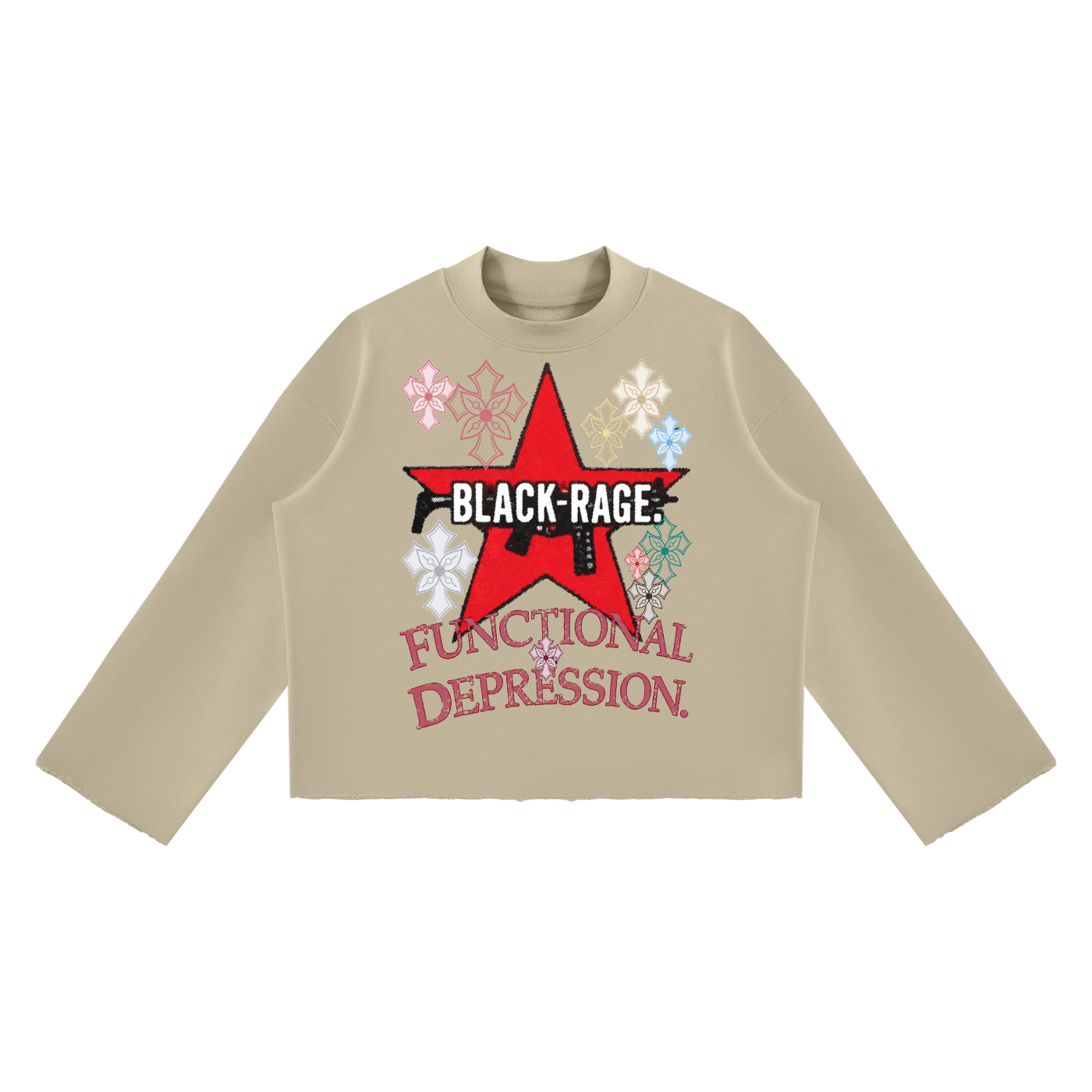
On November 8, 1898, white men attacked Black Republican voters and officeholders around Phoenix, South Carolina, during an election dispute. A white man was killed in the initial confrontation; white posses then killed multiple Black residents, whipped others and drove families from their homes. Federal prosecution failed.
Features
- Fit: Oversized
- Neckline: Round Neck / O-Neck
- Sleeve Style: Drop Shoulder
- Sleeve Length: Long Sleeve
- Season: Spring / Autumn
- Style: Basics / Casual / Preppy / Sporty / Street
Care Instructions
- Machine wash at 30°C (gentle cycle)
- Do not bleach
- Tumble dry low
- Iron at low temperature, avoid ironing on print
- Do not dry clean
Fabric
- Material: 88% cotton, 12% polyester
- Fabric Weight: 350 gsm (10.3 oz)
- Thickness: Thick
- Breathability: Moderate
| S | M | L | XL | |
| Length | 64 | 66 | 68 | 70 |
| Chest | 66 | 68 | 70 | 72 |
| Shoulder | 58 | 60 | 62 | 64 |
| Sleeve length | 60 | 61 | 62 | 63 |
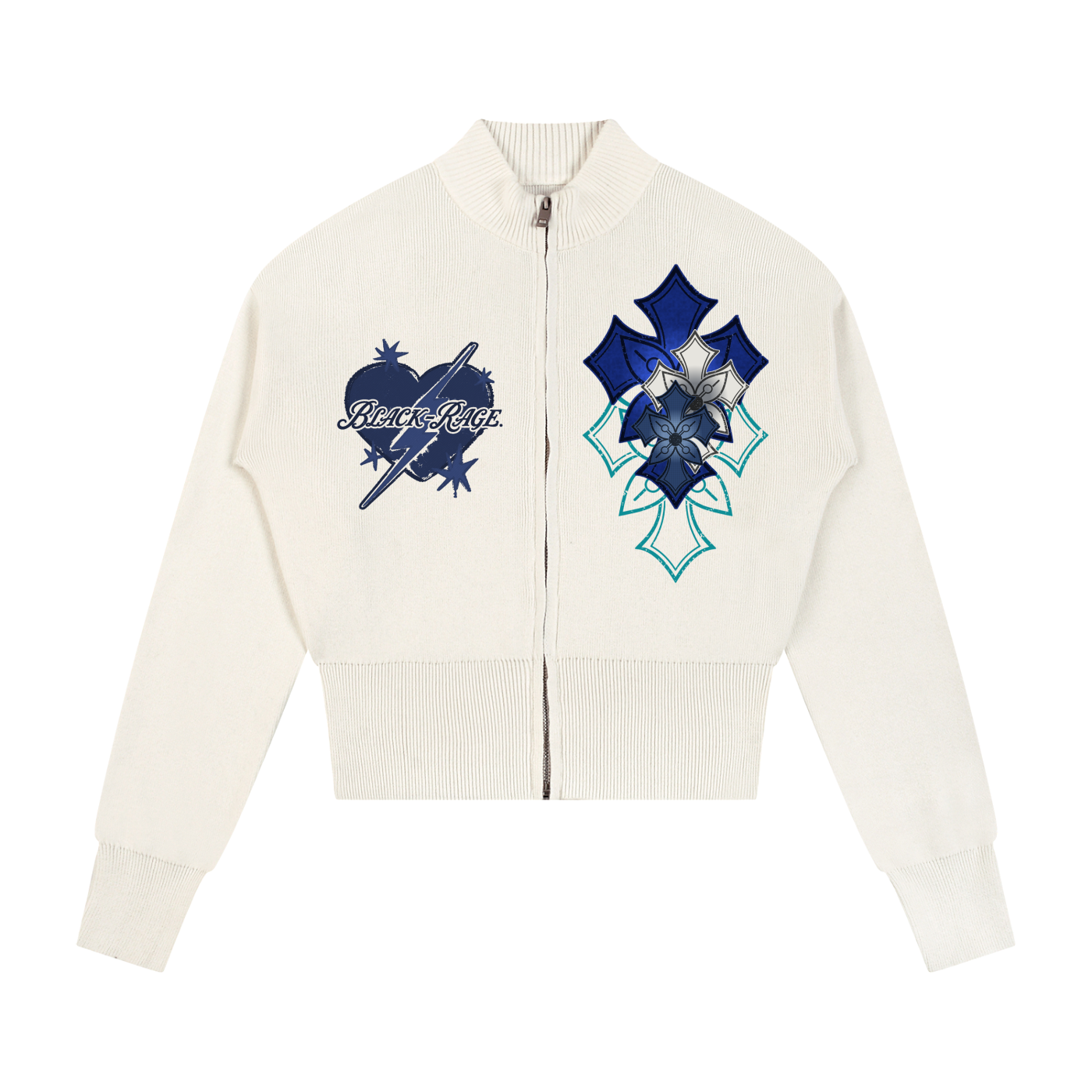
On April 23, 1899, a white mob near Newnan, Georgia, tortured, mutilated and burned Sam Hose before thousands of spectators after accusing him of murder and sexual assault. Pieces of his body were taken as souvenirs. Journalist and activist Ida B. Wells challenged the press narrative and documented the lynching’s manufactured claims.
Features
- Effects: Zipper
- Fit: Bodycon
- Neckline: Stand Collar
- Sleeve Style: Drop Shoulder
- Sleeve Length: Long Sleeve
- Season: Spring / Autumn
- Style: Basics / Casual / Street / Vintage
Care Instructions
- Machine wash at 30°C (gentle cycle)
- Do not bleach
- Tumble dry low
- Iron at low temperature, avoid ironing on print
- Do not dry clean
Fabric
- Material: 90% cotton, 10% nylon
- Fabric Weight: 420 gsm (12.4 oz)
- Thickness: Moderate
- Breathability: Moderate
| S | M | L | XL | |
| Length | 48 | 50 | 52 | 54 |
| Shoulder | 49 | 51 | 53 | 55 |
| Chest | 46 | 48 | 50 | 52 |
| Sleeve length | 51 | 52 | 53 | 54 |
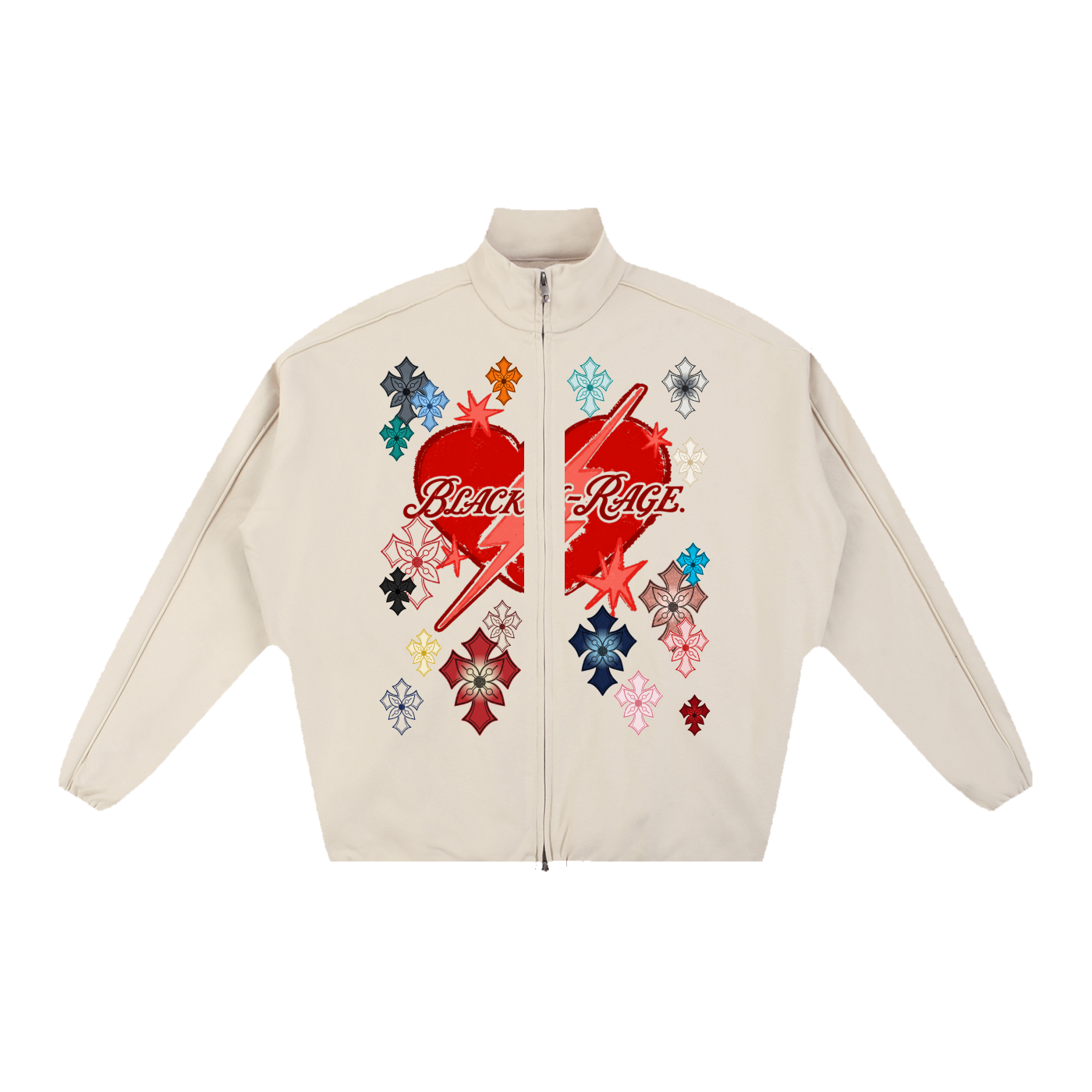
On May 18, 1896, the U.S. Supreme Court upheld Louisiana’s segregated railway law and constitutionalized the “separate but equal” doctrine. Homer Plessy had deliberately challenged the law with the Citizens’ Committee. Justice John Marshall Harlan dissented, but the majority decision protected Jim Crow for decades.
Features
- Effects: Zipper / Patchwork
- Fit: Oversized
- Neckline: Stand Collar
- Sleeve Style: Drop Shoulder
- Sleeve Length: Long Sleeve
- Season: Winter
- Style: Basics / Casual / Preppy / Sporty / Street
Care Instructions
- Machine wash at 30°C (gentle cycle)
- Do not bleach
- Tumble dry low
- Iron at low temperature, avoid ironing on print
- Do not dry clean
Fabric
- Material: 65.39% cotton, 34.61% polyester
- Fabric Weight: 445 gsm (13.1 oz)
- Thickness: Thick
- Breathability: Moderate
| S | M | L | XL | 2XL | |
| Length | 66 | 68 | 70 | 72 | 74 |
| Shoulder | 62 | 64 | 66 | 68 | 70 |
| Chest | 64 | 66 | 68 | 70 | 72 |
| Sleeve length | 56 | 57 | 58 | 59 | 60 |
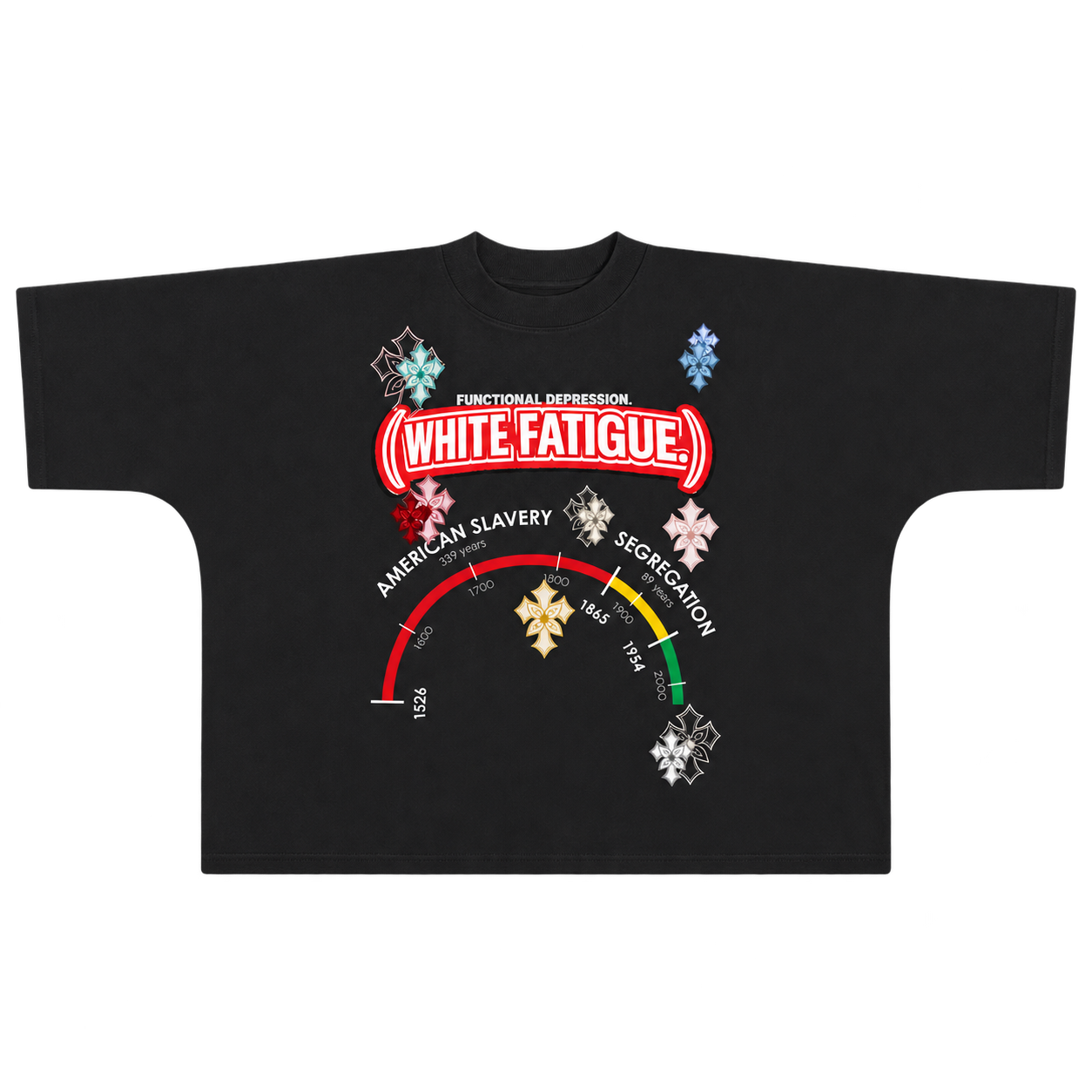
On September 12, 1977, Black Consciousness leader Steve Biko died after security police beat him during detention in Port Elizabeth and transported him, naked and critically injured, more than 1,000 kilometres to Pretoria. Officials initially lied about the cause. Five former officers later sought amnesty from South Africa’s Truth and Reconciliation Commission, which was denied; no one was convicted of his killing.
Features
- Fit: Oversized
- Neckline: Round Neck / O-Neck
- Sleeve Style: Drop Shoulder
- Sleeve Length: Half Sleeve
- Season: Spring / Summer / Autumn / Winter
- Style: Basics / Street / Casual
Care Instructions
- Machine wash at 30°C (gentle cycle)
- Do not bleach
- Tumble dry low
- Iron at low temperature, avoid ironing on print
- Do not dry clean
Fabric
- Material: 100% cotton
- Fabric Weight: 300 gsm (8.8 oz)
- Thickness: Thick
| XS | S | M | L | XL | 2XL | |
| Length | 64 | 66 | 68 | 70 | 72 | 74 |
| Chest | 71 | 73 | 76 | 80 | 85 | 90 |
| Sleeve Length | 45 | 46 | 47 | 48 | 49 | 50 |
e